

Table of Contents
Booker Prize winner Galgut to receive the Pak Kyongni Prize in Wonju
South African novelist Damon Galgut will receive the 15th Pak Kyongni Prize at 11:30 a.m. on October 29 at Hotel Inter-Burgo Wonju, in Wonju, Gangwon. The Toji Cultural Foundation announced his selection on September 29. Galgut is best known for The Promise, which won the Booker Prize in 2021. At the ceremony he will receive a certificate, a plaque and 100 million won in prize money. The prize carries the name of the Korean novelist Pak Kyongni, but it is open to novelists from anywhere, not only Korean writers or works written in Korean.
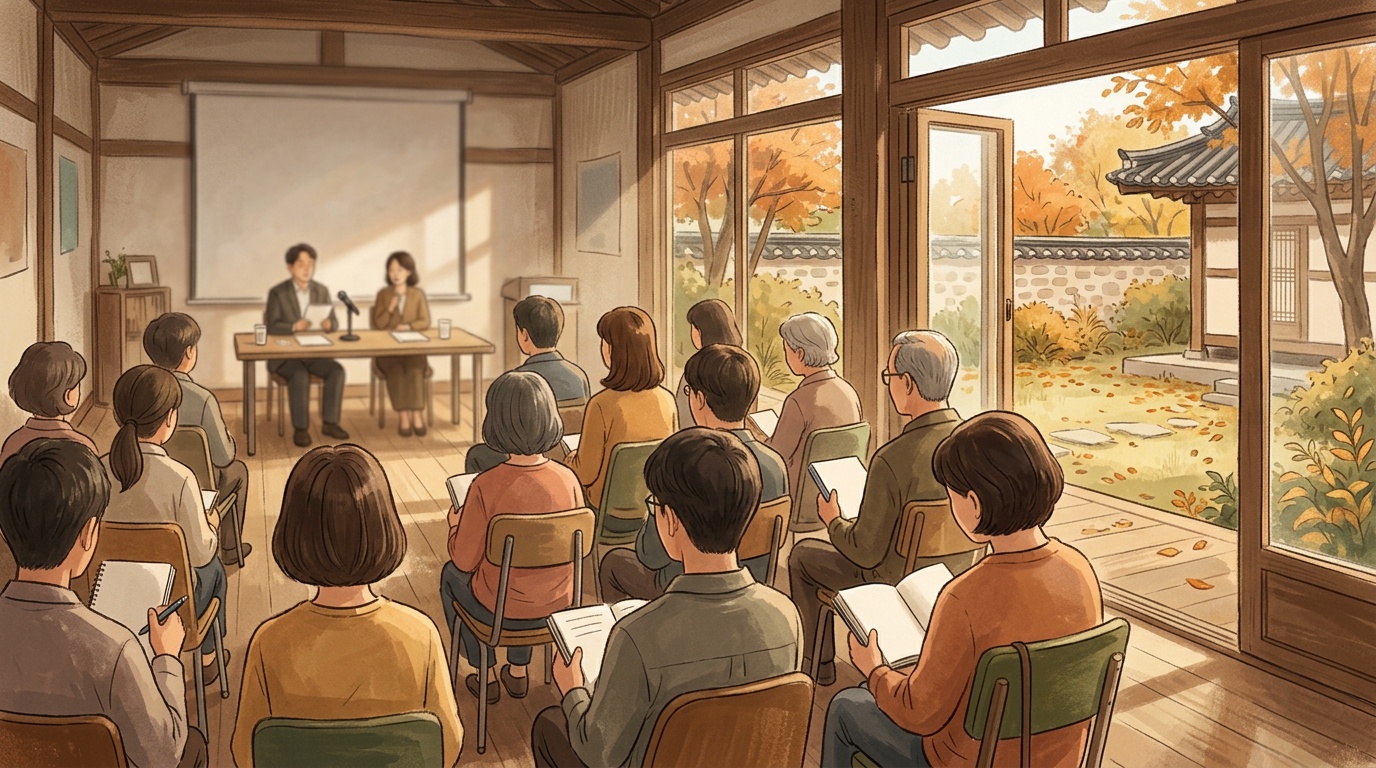
A reader event follows two days later. On October 31, a “Meet the Laureate” session titled “The Magic That Connects Hearts: The Voice of Books” will be held in the seminar room of the Pak Kyongni Literature Park in Wonju. Korean-English simultaneous interpretation will be provided, and registration is online, first come, first served. Galgut is expected to talk about his work and his thinking about literature. The ceremony recognizes what he has achieved; the session gives readers a chance to hear him discuss it in his own words.
A world literature prize named after a Korean author
The Pak Kyongni Prize was founded in 2011 in memory of Pak Kyongni (1926-2008), the author of the multivolume novel Toji (The Land). It goes to writers who have held on to what makes literature valuable and who have left a lasting mark on world literature. That puts the focus on a writer’s body of work and influence rather than on one recent book or one country. Choosing Galgut fits that approach: the jury looked at the human and social questions in his fiction rather than at where he comes from.
Past winners include Korean writers and writers from abroad. Choi In-hun and Yun Heung-gil are on the list, along with Marilynne Robinson, Amos Oz, Sylvie Germain and Amitav Ghosh. The prize is rooted in Korean literature by name, but its reach is international. For readers outside Korea, it is one way to come across Korean authors, and it also brings writers from other languages and regions to a prize built around the memory of a Korean novelist.
From South Africa’s history to questions of memory, responsibility and justice
Galgut published his first novel, A Sinless Season, in 1982. The Good Doctor was shortlisted for the Booker Prize in 2003 and brought him international attention, and he won the prize in 2021 with The Promise. In announcing this year’s winner, the Toji Cultural Foundation said he has written with care about South Africa’s history and the lives of the people living through it. His path from first novel to a major international prize is the background to the decision, but the jury put more weight on the questions his books ask than on his reputation.
The jury said Galgut goes beyond the particular time and place of South Africa to explore memory, responsibility and justice, issues the contemporary world faces everywhere. He writes about the concrete history of one society and its people, the jury noted, yet raises questions readers elsewhere can recognize as their own. That matches the idea behind a world literature prize based in Korea: how a novel set in a very different society can prompt questions that readers share is what this year’s award is about.
Talks continue where Toji was finished
The Pak Kyongni Literature Park, the venue for the October 31 reader event, contains Pak Kyongni’s former home in Dangu-dong, where she completed Toji. The laureate will speak about his writing in the place where the prize’s namesake finished her best-known work. Simultaneous interpretation will let Korean- and English-speaking audiences follow the talk. The Toji Cultural Foundation will also hold a meeting with emerging writers the same day, so the program includes exchanges with other writers as well as readers.
The program ends with a conversation with the laureate on November 3. Kim Se-hee, chair of the Toji Cultural Foundation, said the events would give audiences a close look at Galgut’s literary world and at current trends in world literature. The schedule runs from the ceremony on the 29th to meetings with readers and emerging writers on the 31st, then the longer conversation in November. After the award itself, these sessions are how a prize named for a Korean author brings an international writer closer to Korean readers.
Sources: Yonhap News Agency, September 29 and October 7, 2026; Seoul Economic Daily (English edition), September 29, 2026.