

Table of Contents
Puffer and windbreaker sales up 117% in September
On KREAM, a Korean fashion resale and trading platform, the number of puffer jackets and windbreakers traded in September rose 117% from August, and their value rose 135%. Wide swings between morning and afternoon temperatures have sent shoppers looking for outerwear early, and fashion companies are releasing light winter jackets sooner and adding more of them. The figures come from industry data reported by Energy Economic News on October 25. People are buying coats well before the cold sets in, and brands are adjusting their sales plans to keep up.
The jacket at the center of this is the lightweight puffer, which comes out of the closet long before a heavy winter coat does. A thinly filled jacket can go over an outfit on a cool evening, then under a heavier coat once temperatures drop further. That in-between stage, when people have bought winter clothes but are not yet dressing for deep winter, is a big part of how Koreans dress in autumn.
When shoppers buy earlier, brands have to get their stock ready earlier too. Companies are timing new releases for the weeks when people start looking for light, warm outerwear, and they are offering pieces meant to be worn from the change of seasons through the winter. Taken together, the platform sales, the earlier release dates and the larger lightweight lines show both buyers and sellers preparing for the season ahead of schedule.
The early buying started in August
The demand was already visible in August. Musinsa, one of Korea’s largest online fashion retailers, said its lightweight puffer sales by value in August were up 718% from the same month a year earlier. That is a year-on-year comparison, not a month-on-month one. It shows shoppers buying next season’s jackets at the tail end of summer, and it gives a baseline for reading the autumn demand that followed.
Samsung C&T Fashion Group’s online store, SSF Shop, saw the same pattern. From August 20 to September 27, the number of customers who bought a lightweight puffer rose 101% from the same period last year, and the number who put one in their cart rose 384%. More people were browsing and more people were paying, so interest grew at both stages.
Buying a lightweight puffer at that point makes sense if you think of it as gear for the change of seasons rather than early winter wear. What people need in those weeks is not a coat for the coldest day of the year. It is something easy to put on and take off as the temperature moves through the day, and that is why the lighter jackets sell first.
Vests and windbreakers joined in September
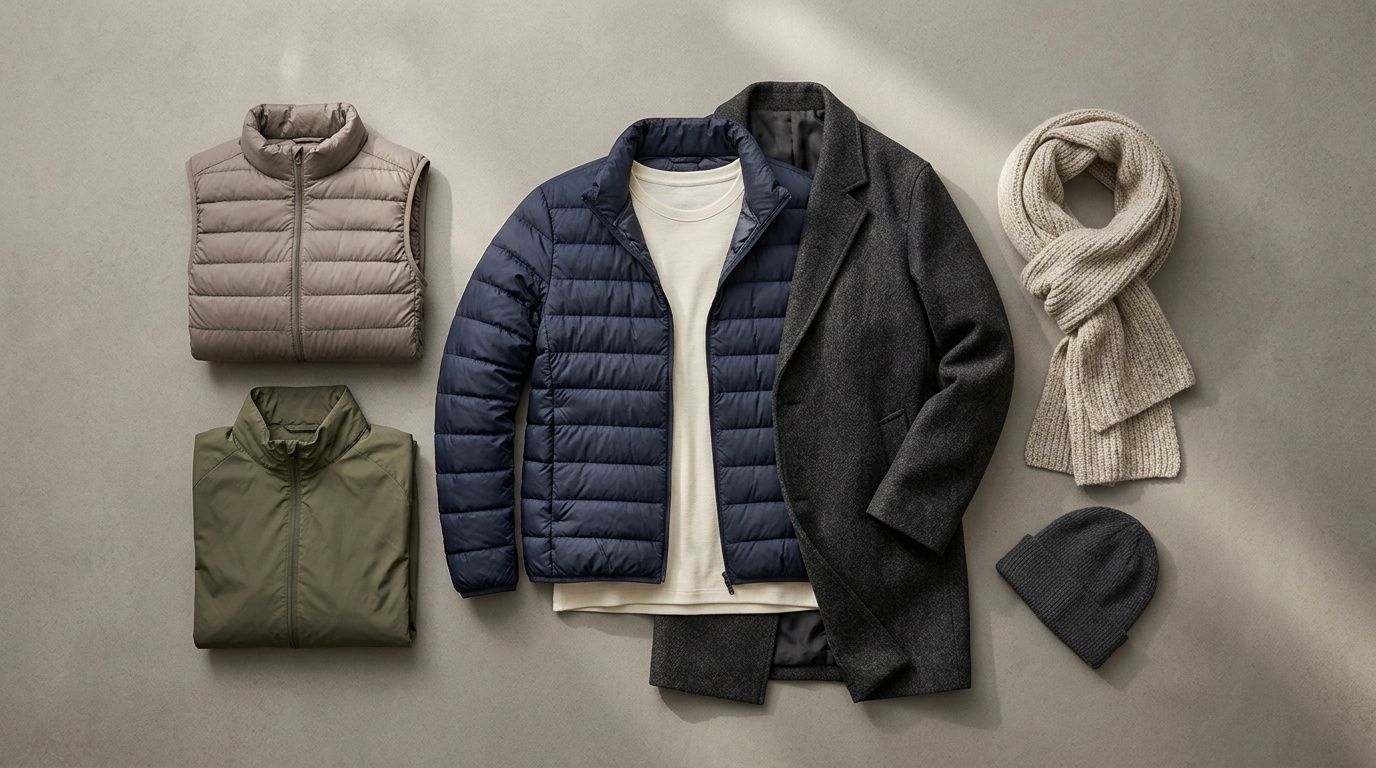
Broken down by item, KREAM’s September numbers show padded vests growing fastest among the categories reported, up 335% from August. Lightweight puffers rose 193% and short puffers 179%. Jackets of different lengths, with and without sleeves, all sold more at once, so shoppers were not settling on a single style for autumn.
Searches pointed the same way. On KREAM, September searches for “lightweight puffer” rose 136% from August and searches for “windbreaker” rose 84%. Searches that paired a brand with an item jumped too: “Salomon puffer” was up 378% and “Montbell windbreaker” up 108%. Search data shows what people were looking for, which adds to what the sales data says they bought.
Padded vests and windbreakers are both easy to wear with other pieces, but they do different jobs. A vest adds warmth around the body and leaves the arms free. A windbreaker is an outer shell that keeps the wind off. When people dress in layers, those differences decide what they buy, so warmth alone does not explain the demand. What a jacket will be worn with matters just as much.
In October, sports and premium outdoor jackets
October brought a wider range of jackets into the picture. Musinsa’s sales of sports outerwear from October 1 to 20 were up 38% by value from a year earlier, and outerwear from premium outdoor brands such as Arc’teryx, Salomon and Patagonia more than doubled. Put in order, the numbers run from early lightweight puffer purchases in August to sports jackets in October.
The figures are not measured the same way, though. KREAM’s September numbers are month-on-month changes in trades. Musinsa’s are year-on-year changes in sales value. SSF Shop counted customers who bought or added items to their carts. Each figure describes what happened on one sales channel, and adding them up into a single market growth rate would be a mistake.
Read together, they show more people shopping for outerwear across a longer stretch of time and across more kinds of jackets. On some platforms the money spent went up, and on others the number of buyers did. This is less about one brand being popular than about how people choose what to wear from autumn into winter, a process that runs from searching to adding to a cart to paying.
Brands release earlier and stretch the season
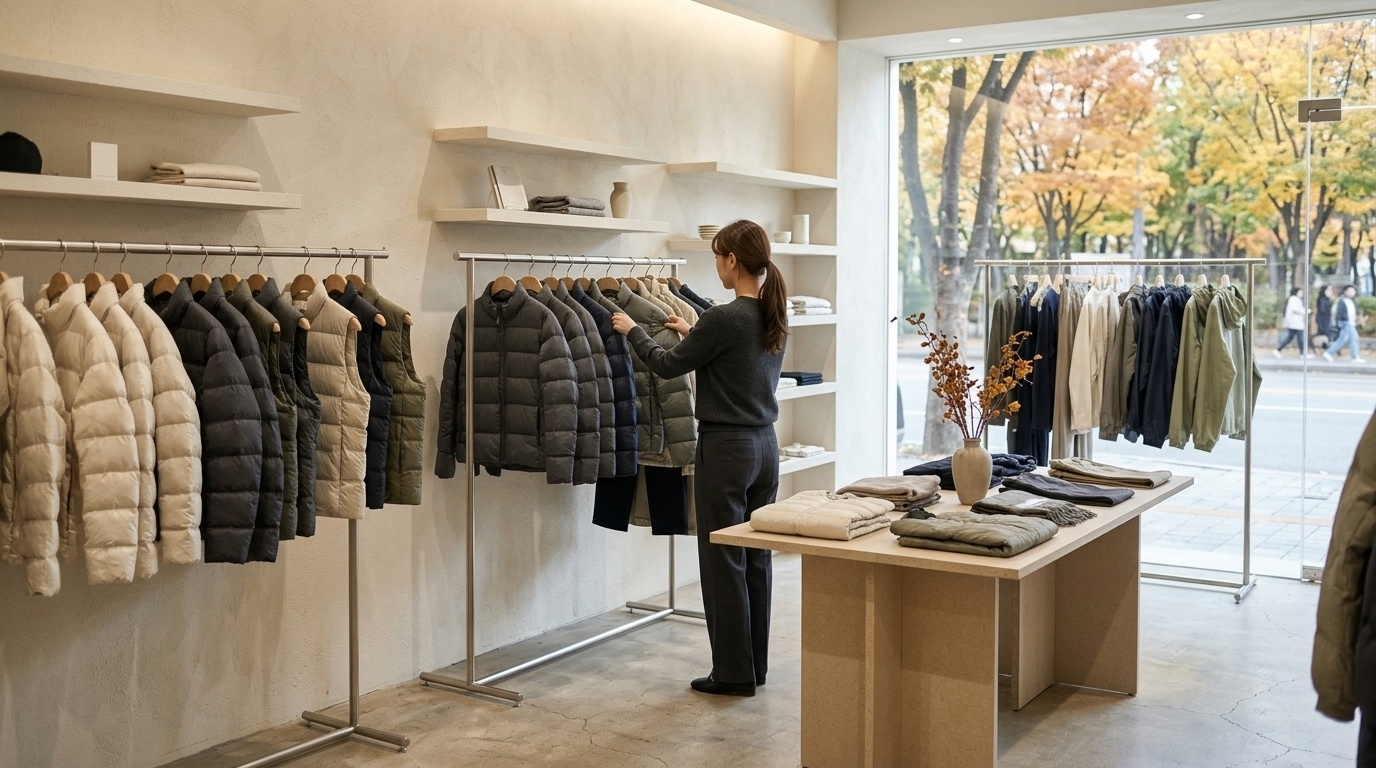
LF’s golf apparel brand Daks Golf shows how suppliers responded. It released its lightweight down jackets two weeks earlier than last year and expanded its outerwear range by more than 1.5 times. From September to mid-October, its lightweight down sales rose about 15% from a year earlier. The earlier release, the bigger range and the sales that followed line up with when shoppers started buying.
Other brands have turned lightweight puffers into a line of their own. LF’s Hazzys is building up a lightweight puffer line called Nova. Within Samsung C&T Fashion Group, 8seconds launched an easy-to-carry series called All-Day Air, and Beanpole introduced Better Light Down, made with goose down. Each brand is selling the flexibility and materials of light outerwear in its own way, which gives shoppers more to choose from.
Releasing earlier puts the right product in front of shoppers when they first feel the chill. Building a separate lightweight line gives them more choice within one category. Both approaches treat the weeks between autumn and winter as a season of their own rather than drawing a hard line between the two, and brands are planning their stock around that period in more detail.
The between-season closet moves first
In Korea, a lightweight puffer can be the outer layer over a thin top in autumn and a middle layer under a heavier coat once winter arrives. Because the same jacket changes its role as the weather turns, the day someone buys it says little about when they will wear it on the coldest days. A jacket bought in October may do a different job by January.
The main thing these numbers show is timing, not which brand ranks highest. Early purchases in late summer, the autumn rise in sales and searches, and then demand for sports jackets all point to a stretch where the autumn and winter wardrobes overlap. Lightweight puffers sit in that overlap, covering warmth, portability and layering, and shoppers pick their jackets by the weather they face rather than by the name of the season.
The next question is whether this earlier demand becomes a fixed part of brands’ release calendars. So far, the data shows brands releasing lightweight down earlier and offering more of it. If they keep doing so, the industry may start dividing its seasons by when shoppers actually go looking for outerwear, alongside the usual fall-winter calendar. Sales of light jackets in the weeks ahead will show whether that is happening.
Source: Energy Economic News, October 25, 2026.