Walk into any Olive Young in Seoul this summer and you’ll notice something has quietly changed. The ten-step routine that made K-beauty famous a decade ago has mostly disappeared from the shelves that matter. In its place: smaller counters of fewer, denser products, each one doing the job that used to take three steps. Ask the staff what’s selling, and they’ll point you toward the same handful of multi-tasking serums and cushion-SPF hybrids that keep selling out.
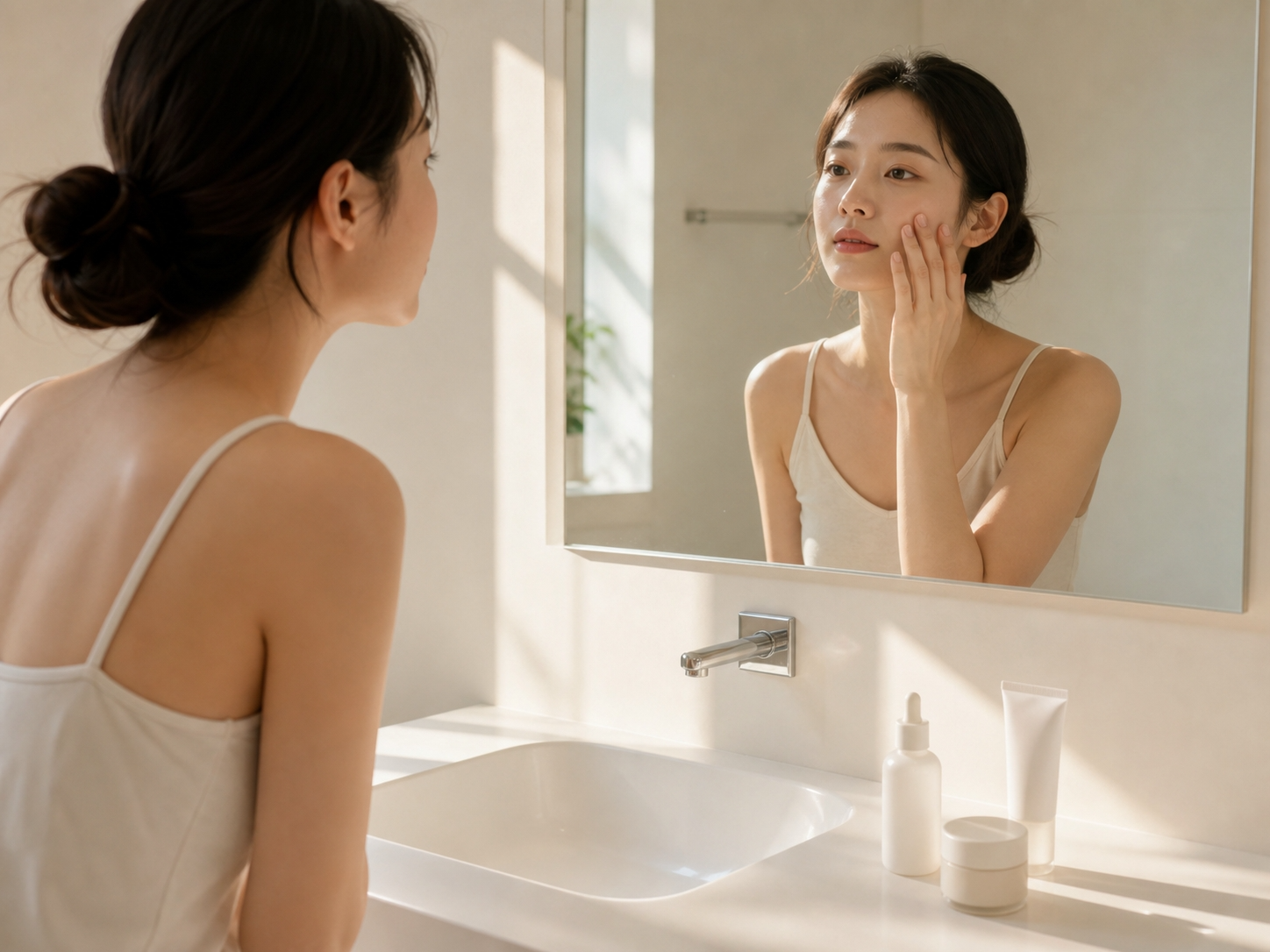
That shift has a name now — “skinimalism” — and it’s the headline trend shaping Korean beauty going into the rest of 2026. The idea isn’t minimalism for its own sake; it’s complexity hidden inside fewer steps. Formulas are getting smarter so routines can get shorter, with buildable, customizable intensity replacing the old logic of layering separate products for separate jobs.
The look that goes with it has a name too, and it’s a quiet correction to one of K-beauty’s most famous exports. “Glass skin” — the glossy, almost wet-looking finish that took over global beauty content for years — is giving way to what the industry is calling “bloom skin”: even-toned, hydrated, visibly healthy, but not slick. If glass skin photographed beautifully under studio light, bloom skin is built to hold up under a regular afternoon — which tracks with where the actual product innovation is going.
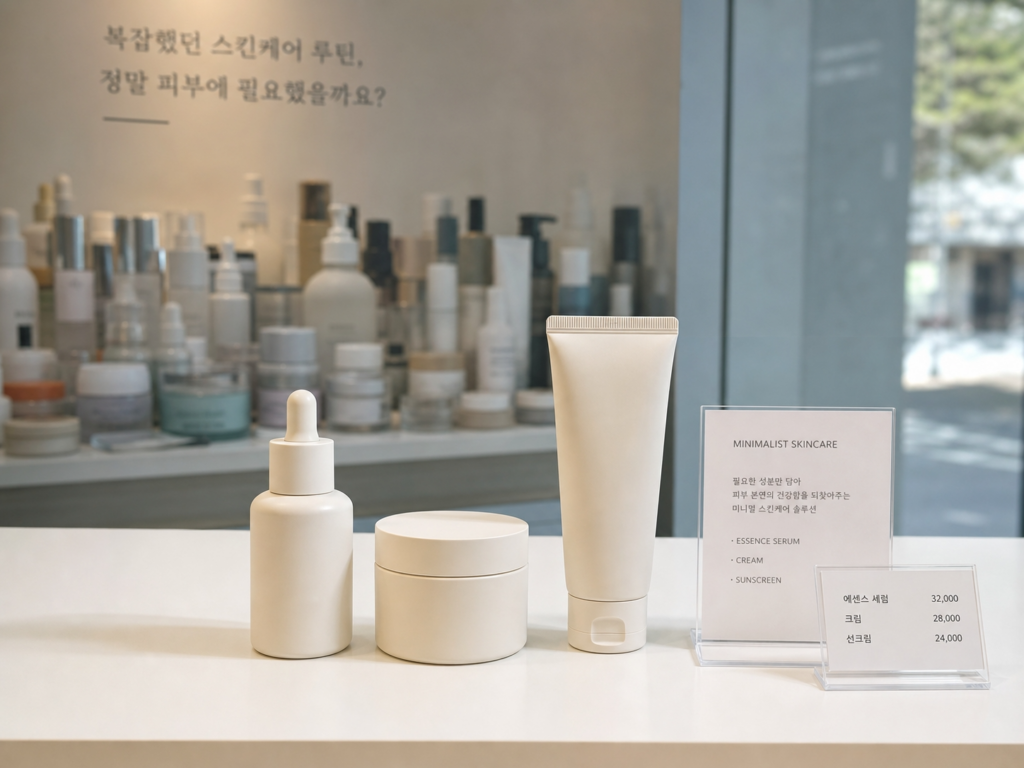
That innovation is concentrated in three places worth knowing if you’re updating your own shelf. SPF has stopped being an optional last step and become a daily non-negotiable, which is why tinted sunscreens, SPF cushions, and sunscreen-laced makeup bases are multiplying — one product covering protection and base makeup at once. Alongside that, “inner beauty” (skincare taken as supplements rather than applied) and post-procedure skincare, formulated specifically for skin recovering from in-clinic treatments, are both expanding fast as categories. None of this is marketing dressing: it’s backed by real biotech, with lab-engineered botanicals and bio-fermented actives increasingly standing in for the plant-extract-heavy formulas of a few years ago.
The export numbers back up how far this has traveled beyond Korea. The country’s cosmetics exports hit a record $11.43 billion in 2025, up 12.3% from the year before, and Korea passed France to become the single largest cosmetics exporter to the United States. The products on your own bathroom shelf, in other words, are part of a genuinely global shift — not just a Seoul trend you’re catching up to after the fact.
So if your routine still runs six or seven steps deep, you’re not behind — you’re just due for an edit. The smartest move right now isn’t adding another serum. It’s replacing two or three of your current steps with one multi-tasking formula doing all of their jobs, and letting “looks healthy” replace “looks glossy” as the actual goal.
Sources: CosmeticsDesign-Asia, “Three key areas in K-beauty to look out for in 2026,” December 2025; Refinery29, “6 Korean Beauty Trends Shaping 2026: Moving From ‘Glass Skin’ To ‘Bloom Skin'”; CosmeticsBusiness, “4 predicted K-beauty trends for 2026.”