Korea has formally submitted two new nominations for UNESCO’s Representative List of the Intangible Cultural Heritage of Humanity: “Ginseng Culture” and “Taekwondo Dojang Culture.” Filed on April 1, 2026, the nominations extend Korea’s long-running effort to have traditions rooted in daily life, rather than only elite court arts, recognized on the world stage.
The ginseng nomination centers on the centuries-old cultivation, processing, and social practices surrounding the root, which occupies a place in Korean life that goes well beyond its market value as a health product. Ginseng farming districts, seasonal harvest rituals, and the root’s role as a customary gift for elders and honored guests are all cited as elements of the “culture” the nomination seeks to protect, distinguishing the bid from a simple celebration of a commercial crop.
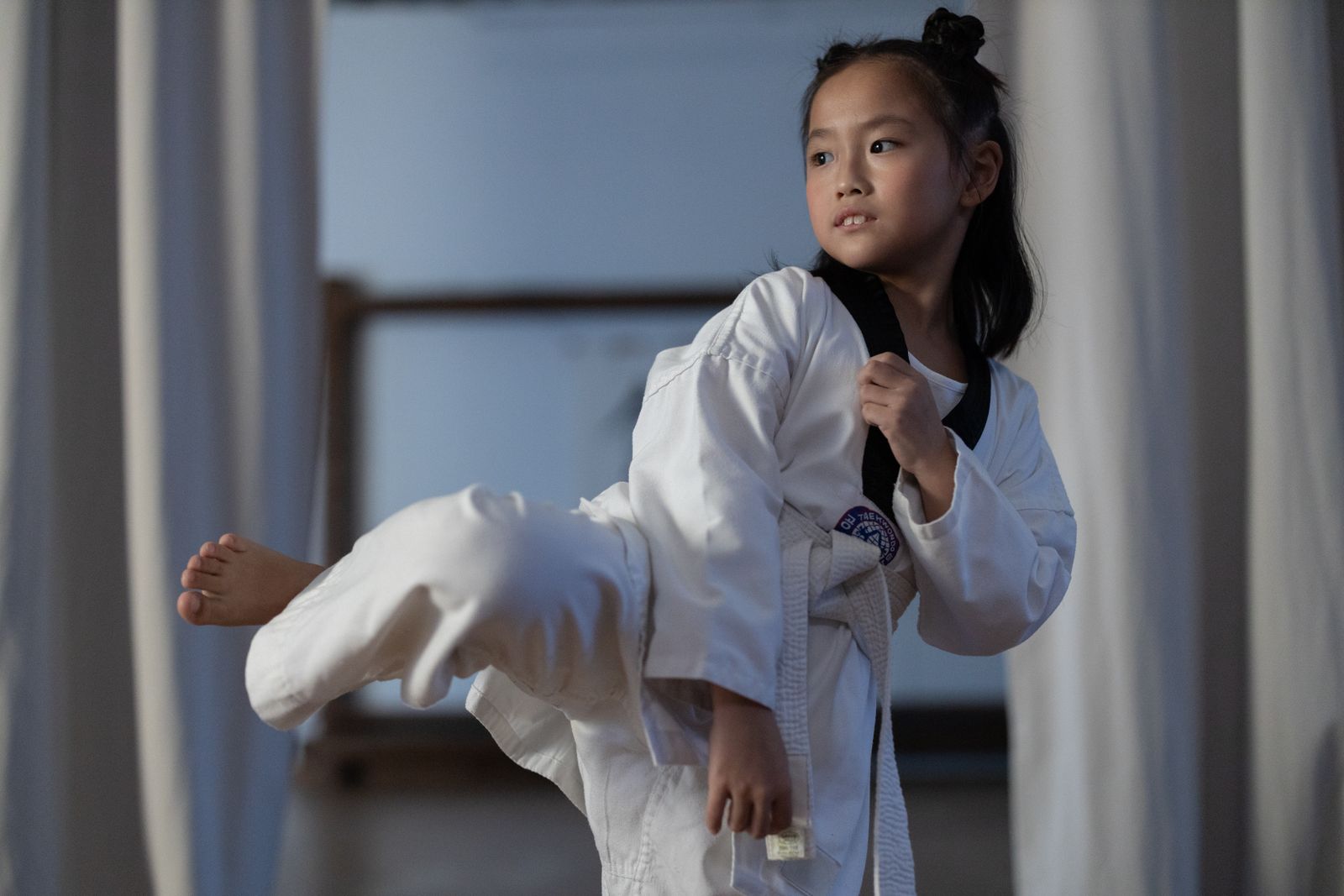
The taekwondo nomination takes a similarly holistic approach, focusing not on the sport as practiced in Olympic competition but on “dojang culture,” the social and pedagogical traditions built around neighborhood training halls. That includes the master-student relationship, the etiquette of bowing and rank promotion ceremonies, and the role dojangs have played as informal community centers for generations of Korean children, a role increasingly familiar to families overseas as taekwondo academies have spread to more than 200 countries.
Both files now enter UNESCO’s formal evaluation pipeline. A decision on the taekwondo nomination is expected between November and December 2026, when the Intergovernmental Committee for the Safeguarding of the Intangible Cultural Heritage convenes in Xiamen, China. The ginseng file is expected to follow a similar evaluation timeline, though committees typically announce exact review years only after a preliminary technical assessment.
If successful, the additions would extend a list of Korean intangible heritage that already includes Kimjang (the tradition of making and sharing kimchi), Korean wrestling (Ssireum), and traditional Korean seed sorting knowledge, among others. For Korean cultural authorities, each successful nomination functions as both a preservation tool and a soft-power asset, giving international audiences a formally recognized entry point into practices that might otherwise be dismissed as merely commercial (in ginseng’s case) or purely athletic (in taekwondo’s).
Source: Cultural Heritage Administration of Korea, UNESCO nomination filing, April 1, 2026.