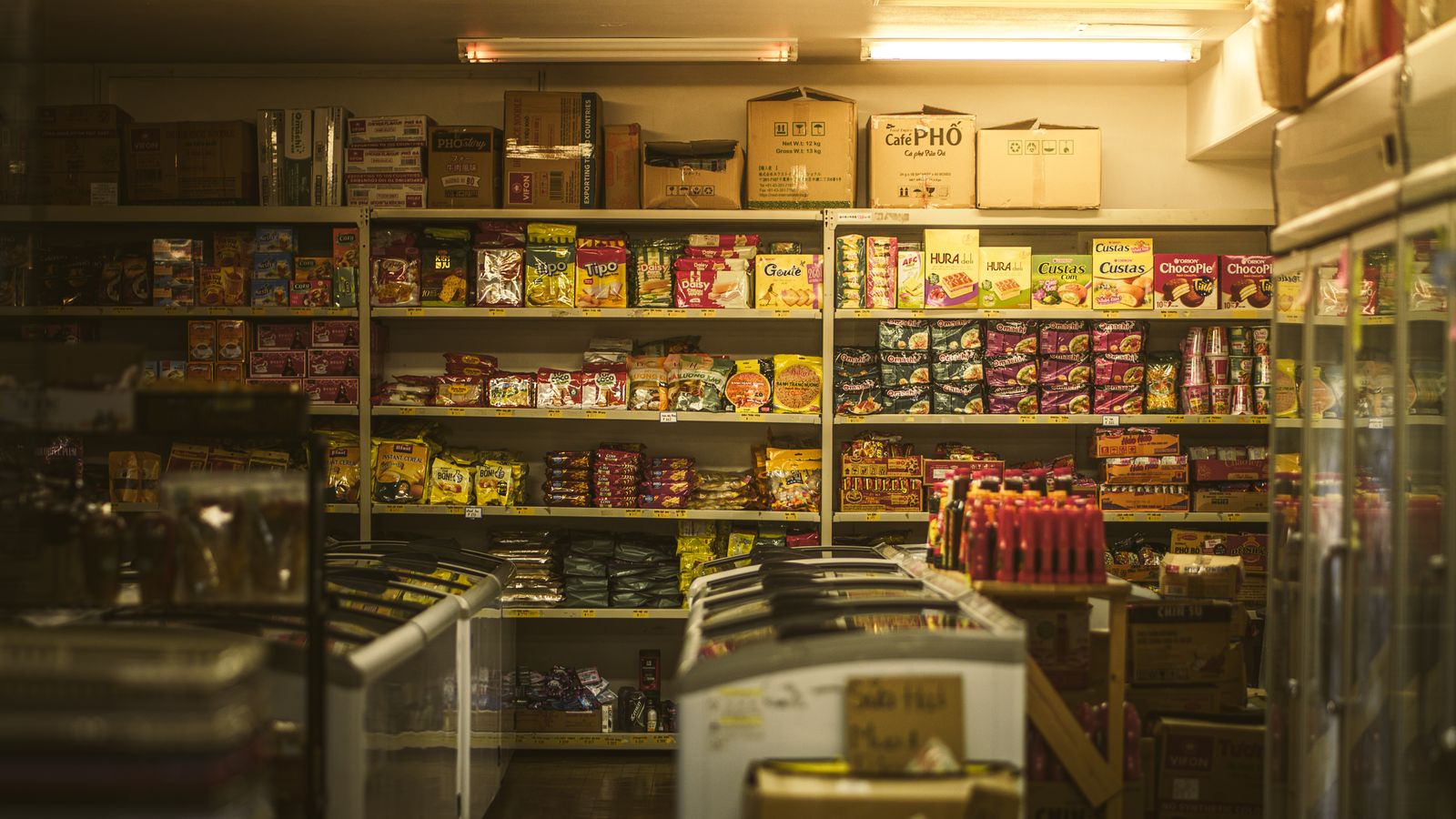
For newcomers to Korea, the sheer density and functional role of convenience stores — CU, GS25, 7-Eleven, and Emart24 chief among them — can be genuinely disorienting: far beyond a place to grab snacks, Korean convenience stores function as informal neighborhood hubs where people eat full meals at in-store seating, charge devices, use ATMs, pay utility bills, and even handle certain government administrative tasks through in-store kiosks.
Understanding a few basic etiquette norms makes navigating this ecosystem considerably smoother. In-store seating areas, common at most locations, are generally treated as shared space where it’s acceptable to eat a store-purchased meal, but lingering excessively without purchasing anything, or bringing in outside food to eat at store tables, tends to be viewed as a minor breach of the implicit arrangement that keeps these free seating areas available.
Convenience store staff turnover is typically brisk and transactions efficient — cashiers generally expect quick, straightforward purchases rather than extended conversation, reflecting the broader Korean retail norm of efficient, businesslike service rather than any coldness on the staff’s part; visitors accustomed to more leisurely small talk during checkout in other countries sometimes misread this efficiency as unfriendliness.
The stores’ 24-hour availability across dense urban areas has made them a genuine safety and convenience resource beyond retail, functioning as well-lit, staffed spaces late at night in neighborhoods where other options may be closed — a role Korean convenience stores play more explicitly than their equivalents in many other countries, given how thoroughly integrated they are into everyday Korean urban infrastructure.
For visitors specifically, convenience stores also offer some of the most accessible practical resources in Korea: tourist-friendly payment options, English-language product information on many items, and increasingly, staff and self-checkout kiosks equipped to handle basic interactions in multiple languages, making them one of the more foreigner-friendly everyday spaces in Korean cities.
Source: Korean convenience store culture explainer coverage, CU/GS25/7-Eleven everyday use patterns, 2026.