Table of Contents
The Numbers Tell the Story of a Genre’s Revival
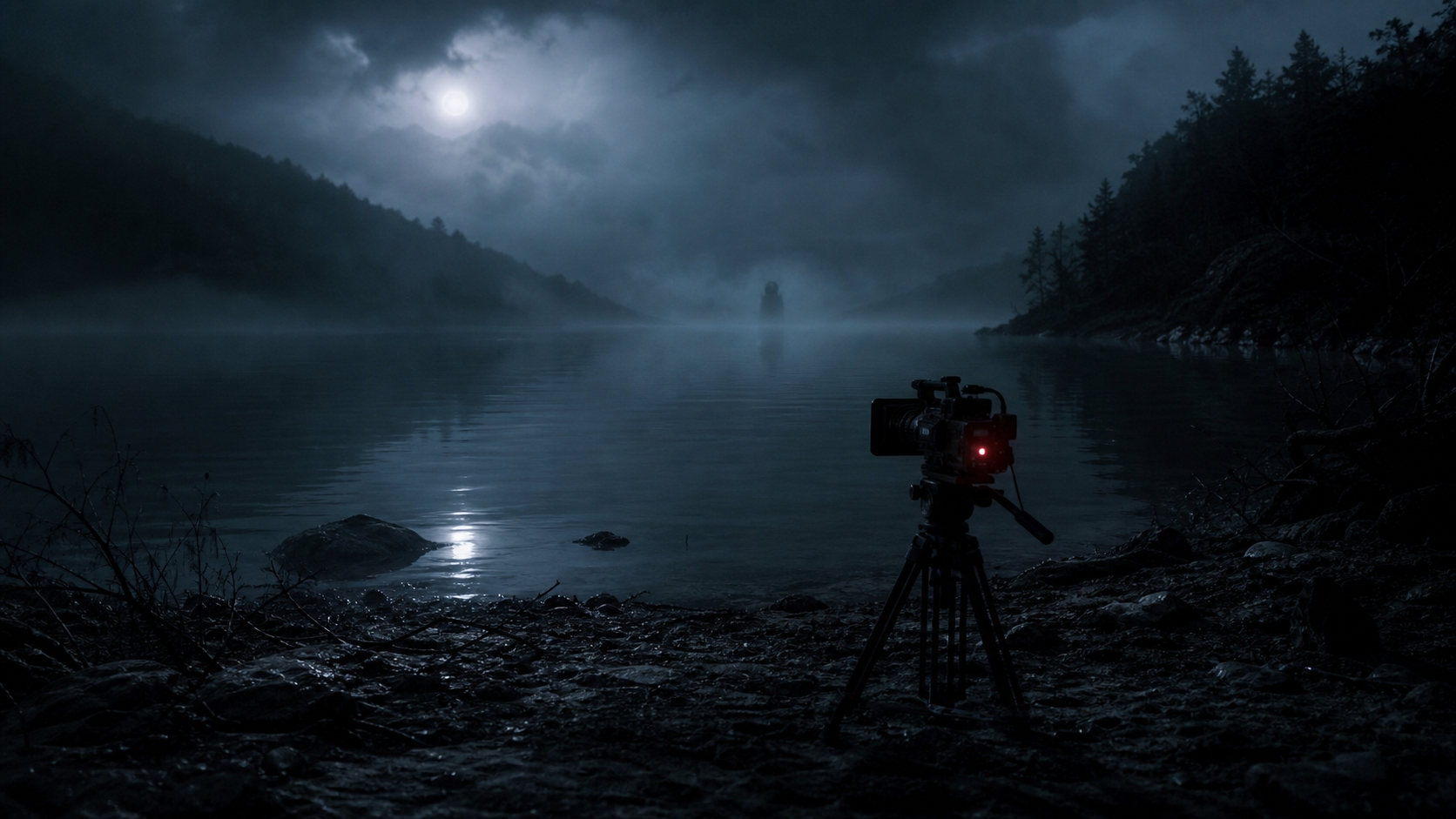
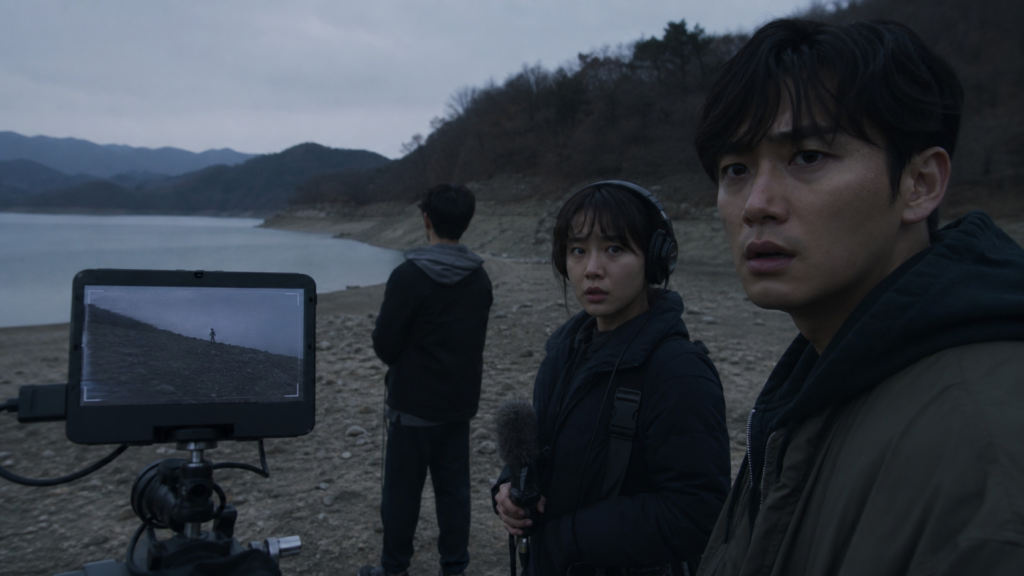
In spring 2026, Korean horror films showed clear signs of a long-awaited rebound. ‘Salmokji,’ a found-footage horror set around a reservoir, surpassed its break-even point just seven days after release—a record for the shortest time among that year’s films. Holding the top spot at the box office day after day, the film became more than a commercial success; it signaled that Korean horror had found a new language.
Previously, the template for Korean horror was unmistakable: narratives of vengeful spirits wronged in life exacting revenge on the living, long-haired female ghosts, and sudden jump scares paired with loud noises. But the hit films of 2026 deliberately distance themselves from these familiar clichés. A quiet but unmistakable revolution is underway.
A New Fear, Free from Vengeful Spirit Narratives
At the heart of the shift is a change in the source of horror. Instead of personalized entities like vengeful ghosts, fear now comes from unidentifiable shapes and unexplained phenomena. Audiences are left in anxiety, unsure even of what threatens them. The reasoning is clear: a fear that lacks concrete form leaves a more lasting impression than a straightforward revenge story.
This approach moves horror’s center of gravity from event to emotion. Rather than kindly explaining what happens and why, it uses the very gaps in explanation as material for fear. By inviting the audience’s imagination to fill the blanks, this strategy generates a deeper, more persistent unease.
Experiments in Technique and Form
Formal experimentation also stands out. The found-footage format—where footage is presented as discovered rather than created—maximizes a sense of realism. When the world beyond the camera feels less like a fabricated fiction and more like something actually recorded, the horror seeps beyond the screen into the audience’s reality. Using everyday media such as street-view imagery or a film crew’s camera as conduits for fear is particularly effective for modern audiences accustomed to digital environments.
The actors’ dense performances are another pillar completing this new horror. Rather than exaggerated screams or dramatic gestures, they portray a slow psychological unraveling with delicate nuance, drawing viewers deeper into the story.
A Vessel for Social Anxiety
Notably, this new brand of horror connects with social anxieties. An undefined threat, uncontrollable phenomena, and unexplained fear mirror the mood of an era marked by uncertainty. Where past ghost stories leaned on personal grudges and a worldview of retribution, today’s horror reflects a modern psyche steeped in unpredictable, shapeless unease.
This trend both expands Korean horror’s expressive range and strengthens its competitiveness in international markets. Stories that tap into universal anxiety cross borders more easily than folkloric ghost narratives tied to specific cultural contexts.
The Challenge Left by the Quiet Revolution
Of course, this transformation is not complete. Relying too heavily on ambiguity risks weakening narrative cohesion, and experimental formats may feel unwelcoming to some audiences. Balancing novelty with mainstream appeal remains a puzzle for the genre to solve.
Still, the directional shift seen in Korean horror during 2026 carries clear significance. By moving beyond the old trope of vengeful ghosts, armed with unexplained anxiety and formal experimentation, this new horror has won responses from both audiences and the market. How this quiet revolution—carried out without fanfare—will reshape the terrain of Korean genre cinema is worth watching.
Source: Vogue Korea·industry reports, 2026.