Table of Contents
Average 5% Price Increase on 127 Bread and Cake Items Starting August 25
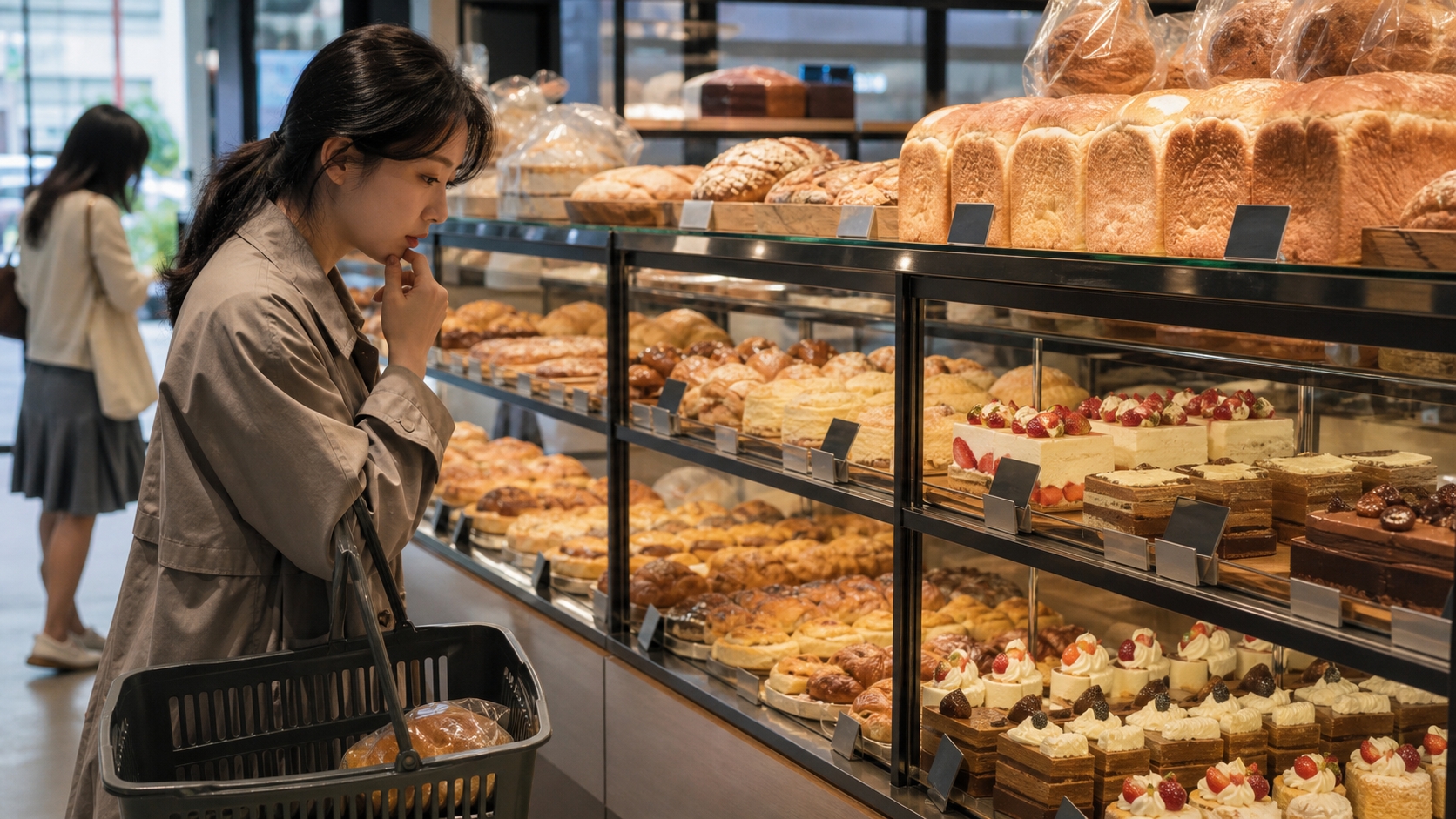
Starting August 25, Paris Baguette will raise the prices of 127 items, including 86 types of bread and 41 cakes and desserts, by an average of 5.0%. As one of South Korea’s leading bakery franchises, this marks Paris Baguette’s first major price adjustment in a year and a half, following their last update in February of last year. The increases cover a wide range of products, from the everyday sandwich bread consumers pick up regularly to the cakes highly sought after for special occasions.
For example, the signature ‘Sangmijong Raw Loaf’ will go up by 200 won, from 3,900 to 4,100 won. Castella cakes will adjust from 2,400 to 2,500 won, and the ‘My Number One Cake’ will see an increase from 35,000 to 36,000 won. While the exact bump varies by individual product, the overall average increase across all affected items sits at 5.0%.
This adjustment isn’t isolated to Paris Baguette. Tous Les Jours and Nongshim already raised their prices in late July and early August, and Samlip is scheduled to follow suit with its bread products on September 1. With major bakery and processed food companies concentrating their price hikes in such a short window, consumers will likely feel the pinch of multiple food prices rising all at once.
A Wave of Increases: From Tous Les Jours to Nongshim and Samlip
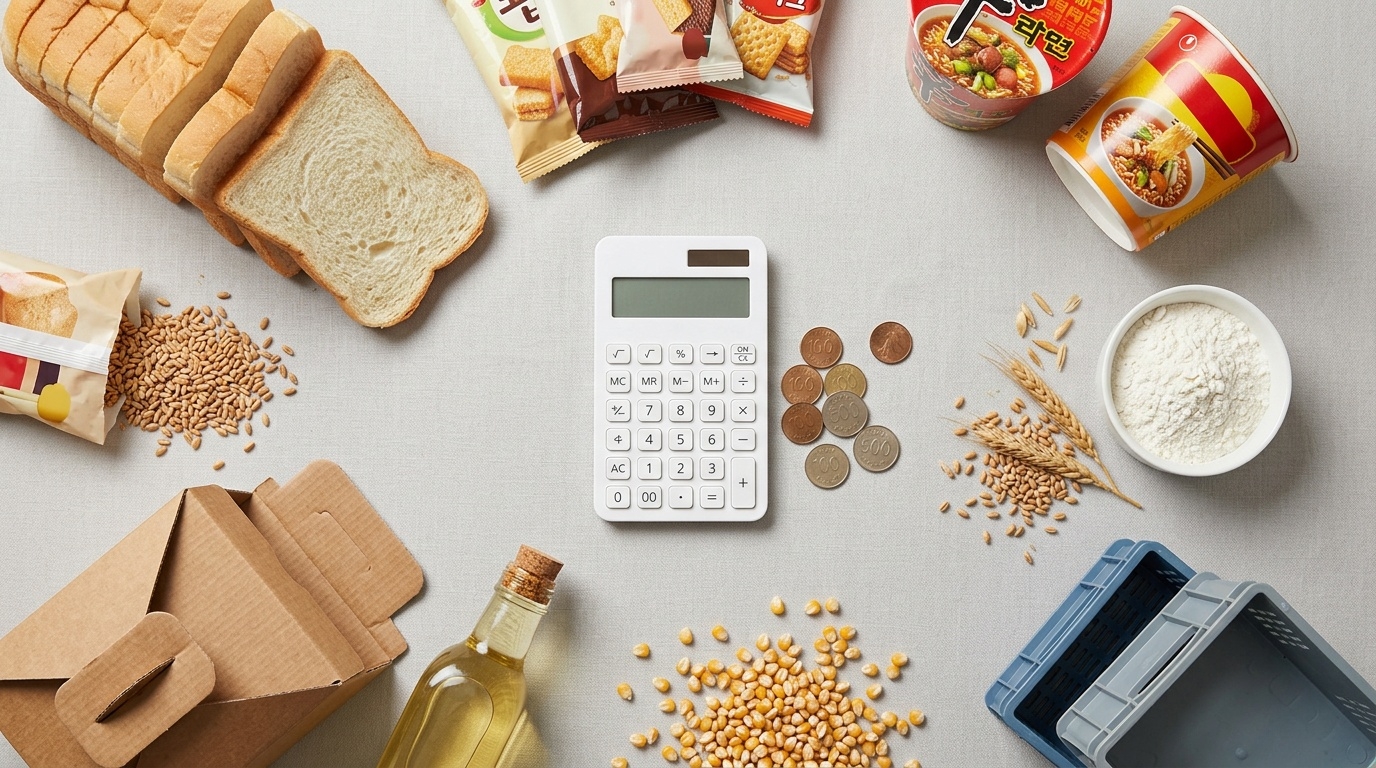
The first to make a move was Tous Les Jours, operated by CJ Foodville. On July 31, Tous Les Jours raised the recommended retail prices for 76 items, including bread and cakes, by an average of 8.2%. As a brand boasting a nationwide store network right alongside Paris Baguette in the Korean bakery franchise market, Tous Les Jours’ price hike inevitably drew attention to how other bakery companies might respond.
Right after, on August 1, Nongshim raised the factory prices of 43 brand products, including major cup noodles, snacks, and beverages, by an average of 5.8%. The factory price is what the manufacturer charges when supplying products to distributors, meaning the actual retail price in stores can vary based on the distributor’s decisions. However, a price hike at the manufacturing stage is highly likely to trickle down to the consumer prices at convenience stores and supermarkets over time.
Samlip is also set to raise the prices of around 50 bread products by an average of 9% starting September 1. For instance, the ‘Authentic Full Moon’ cake, a popular convenience store staple, will go up by 200 won, from 1,800 to 2,000 won. This means that starting with Tous Les Jours on July 31, four major bakery and food companies—including Nongshim, Paris Baguette, and Samlip—will have adjusted their prices within just over a month.
Down in March, Back Up in August
What makes this particular price hike stand out is that Paris Baguette actually lowered the prices of some products just five months ago. Back in March, in line with the government’s efforts to stabilize inflation, Paris Baguette reduced the prices of 11 items, including select breads and cakes. At the time, the government was strongly urging the entire food industry to pass the benefits of falling key ingredient prices, like sugar and flour, back to the consumers.
However, the March price drop was limited to just 11 items, whereas the August hike affects a sweeping 127 products. While the exact items involved in both adjustments aren’t necessarily the same, from a consumer’s perspective, the scope of the recent price increase feels significantly broader than the earlier reduction. Paris Baguette’s explanation that they had delayed an overall price adjustment for a year and a half since February of last year provides some context for this stark contrast.
During the first half of the year, under government pressure to stabilize prices, companies either lowered prices on a few items or delayed planned increases. But the underlying costs these businesses had to shoulder didn’t simply vanish. Therefore, rather than attributing this recent chain of price hikes to a short-term spike in a single raw material, it’s more accurate to view it as a process where accumulated costs—which hadn’t been fully reflected in product prices for some time—are now surfacing across multiple companies at the same time.
Beyond Wheat and Corn: The Burden of Packaging and Logistics
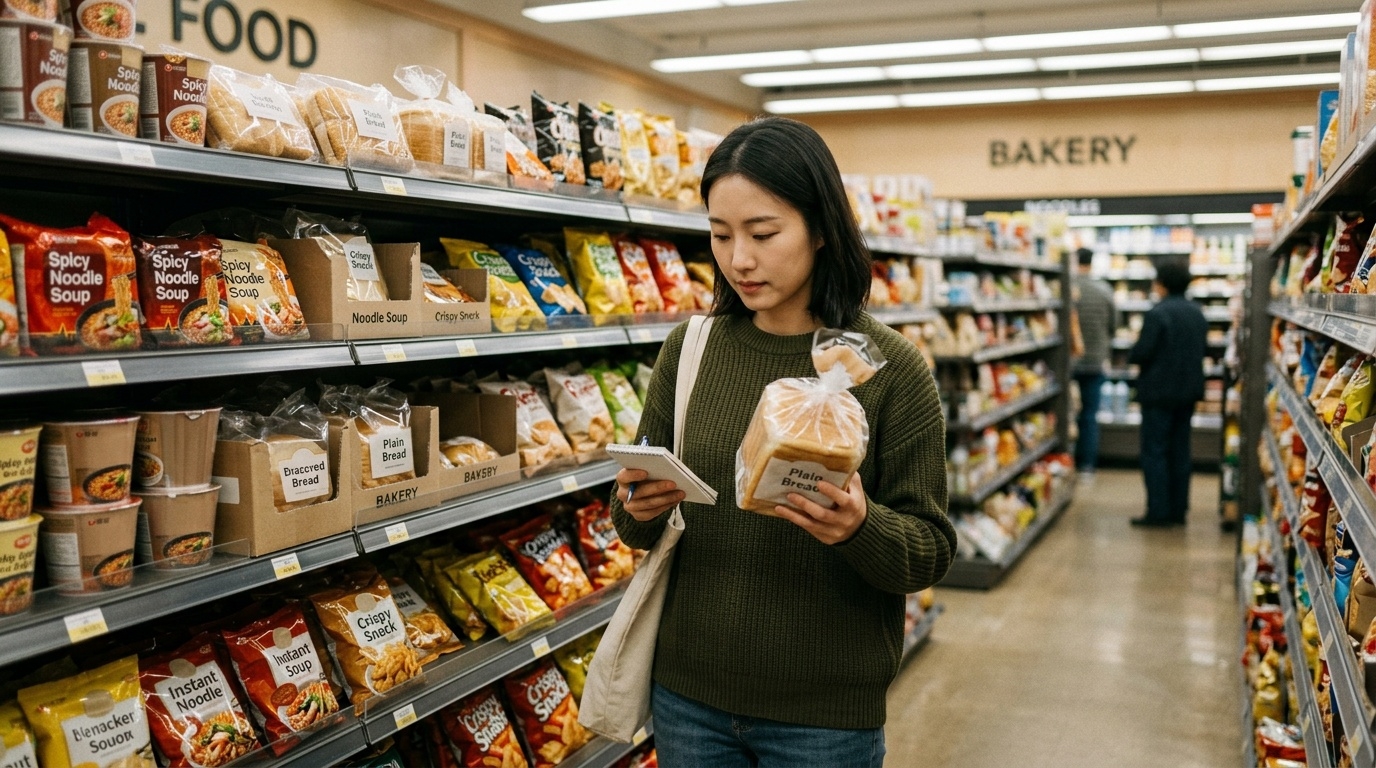
The common reason cited by the industry is the rise in international wheat and corn prices. Wheat is the primary ingredient for both bread and ramen, while corn is used in a wide variety of processed foods and food ingredients. When global grain prices climb, it directly impacts the costs for domestic food companies that import raw materials or purchase processed ingredients like flour and starch. When you factor in fluctuating exchange rates, importing the same volume can end up costing significantly more in Korean Won.
Moreover, the price of a single loaf of bread isn’t just about the cost of ingredients like flour and sugar. It also has to cover packaging materials—plastic wrap, boxes, and cake containers—as well as the transportation costs of moving products from factories to distribution centers and storefronts. Even if a bakery franchise bakes products fresh in-store, they still need to reliably supply raw materials, semi-finished goods, and packaging to branches nationwide, making them highly sensitive to changes in logistics costs.
Paris Baguette has stated that price adjustments were inevitable due to rising raw material costs and various overhead expenses. Tous Les Jours also pointed to the increasing costs of international raw materials like raw wheat, raw sugar, and palm oil, alongside rising expenses for packaging, unfavorable exchange rates, and higher oil prices. The fact that different companies are citing nearly identical reasons shows that this recent wave of price adjustments is driven by broader economic pressures, not just individual brand sales strategies.
How Simultaneous Price Hikes Might Shift Consumer Choices
In South Korea, bread from a bakery franchise is more than just a quick snack. Sandwich bread is a breakfast staple, and cakes are central to birthdays and family gatherings. Cup noodles and snacks are equally familiar comfort items for frequent convenience store shoppers. When price hikes from multiple companies overlap, the difference might seem small for a single purchase, but it can create a much heavier burden on the recurring grocery budget over the course of a month.
The key thing to watch moving forward is how much these price adjustments from manufacturers and franchise headquarters will actually translate into consumer inflation. Even if factory and recommended retail prices go up, the exact timing and impact felt by consumers can vary depending on distributor discount events or individual store sales policies. On the flip side, when major players raise their prices around the same time, consumers are left with less room to shop around for cheaper alternatives.
August 25, the effective date for Paris Baguette’s price increase, serves as a turning point demonstrating just how long the first half’s inflation-stabilizing pressures could keep rising food costs at bay. Once Samlip’s adjustments take effect on September 1, new price tags will be firmly established across both bakery breads and packaged convenience store breads. Caught between the government’s inflation management and the growing cost burdens on businesses, just how far this trend of rising bread prices will go is the next big question to watch.
Source: KBS News, August 14, 2026; JoongAng Ilbo, August 14, 2026; Herald Economy, August 18, 2026.