Table of Contents
‘The Assassin(s)’ Returns to the Top on Day 9
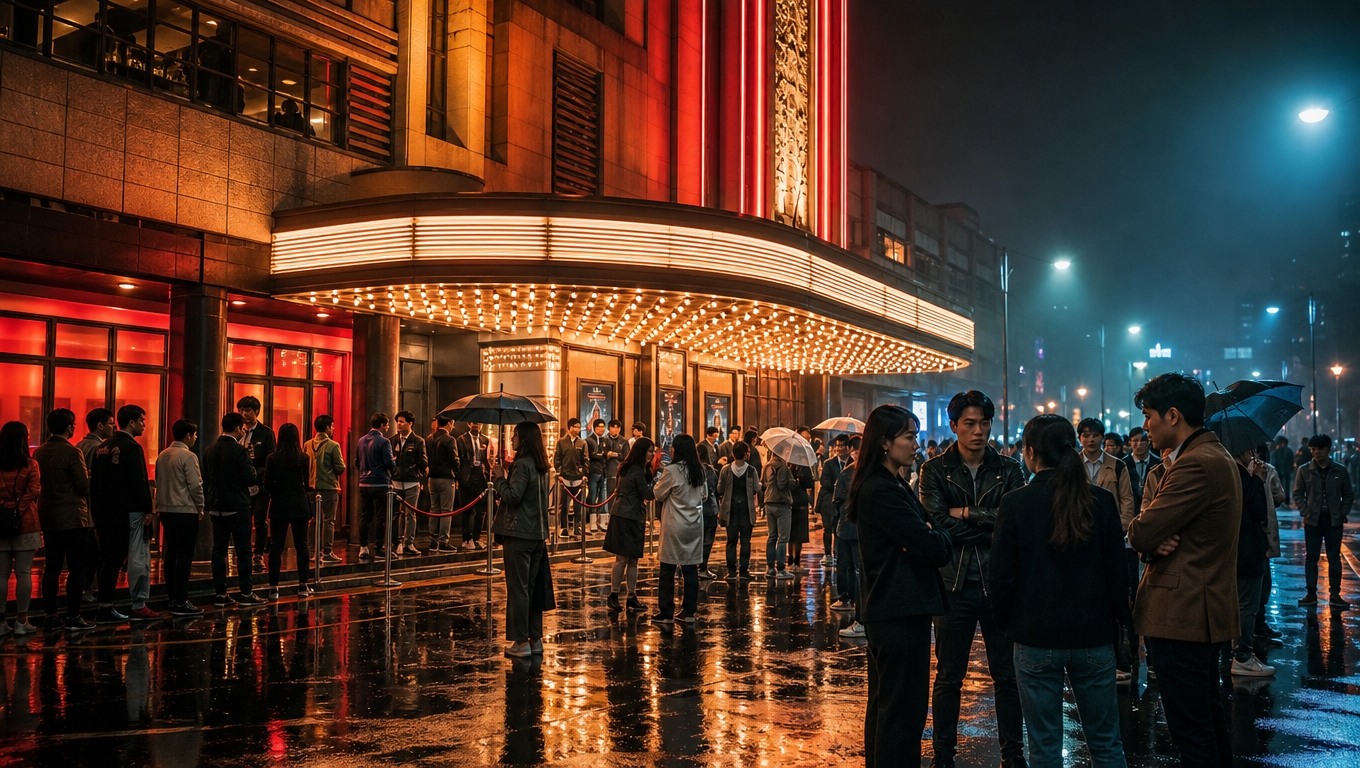
Director Heo Jin-ho’s film “The Assassin(s)” reclaimed the No. 1 spot on the daily box office despite an ongoing controversy over historical distortion. According to the Korean Film Council’s integrated box office network, the film drew 55,018 viewers on October 1 to top the chart. As of the October 2 count, cumulative admissions stood at 1,821,963. After opening on September 23, the film traded the top spot with competing releases before reclaiming it on its ninth day in theaters.
The return to the top came amid a situation that numbers alone can’t fully explain. Politicians and some viewers criticized the film for building a fictional hypothesis around a real historical event, calling it historical distortion, while others argued that a dramatic film’s creative freedom deserves respect. The dispute spread beyond the film itself to the actors, the production team, and commentators who had reviewed the work. Audience interest kept translating into box office numbers even as pressure mounted around the film from outside its content.
Five Straight Days at No. 1, Then Two More Returns to the Top
“The Assassin(s)” opened on September 23. Directed by Heo Jin-ho and starring Yoo Hae-jin, Park Hae-il, and Lee Min-ho, the film held the daily box office’s top spot for five consecutive days from its opening. It lost the top spot to “Tazza: The Song of Beelzebub” on September 28, but reclaimed it the very next day, September 29, drawing 61,496 viewers. Cumulative admissions at that point stood at 1,695,104.
The rankings shifted again. On September 30, the Japanese animated film “Chiikawa the Movie: The Secret of the Mermaid Island” took the top spot, pushing “The Assassin(s)” back down once more. But the film reclaimed first place on October 1, and the cumulative count announced the following day topped 1.82 million. The pattern ran: five straight days at No. 1 after opening, a drop on September 28, a reclaim on the 29th, another drop on the 30th, and a second reclaim on October 1.
While the film traded places with new releases, the dispute over its historical interpretation grew louder outside the theater. Still, reclaiming the top spot twice shows that the controversy didn’t immediately translate into audiences turning away. That said, with the ranking shifting several times within just a few days, the October 1 reclaim alone isn’t enough to call the long-term trend. How competing films move and how audiences respond to the ongoing dispute both bear watching.
A Fictional Hypothesis Built on a 1974 Incident
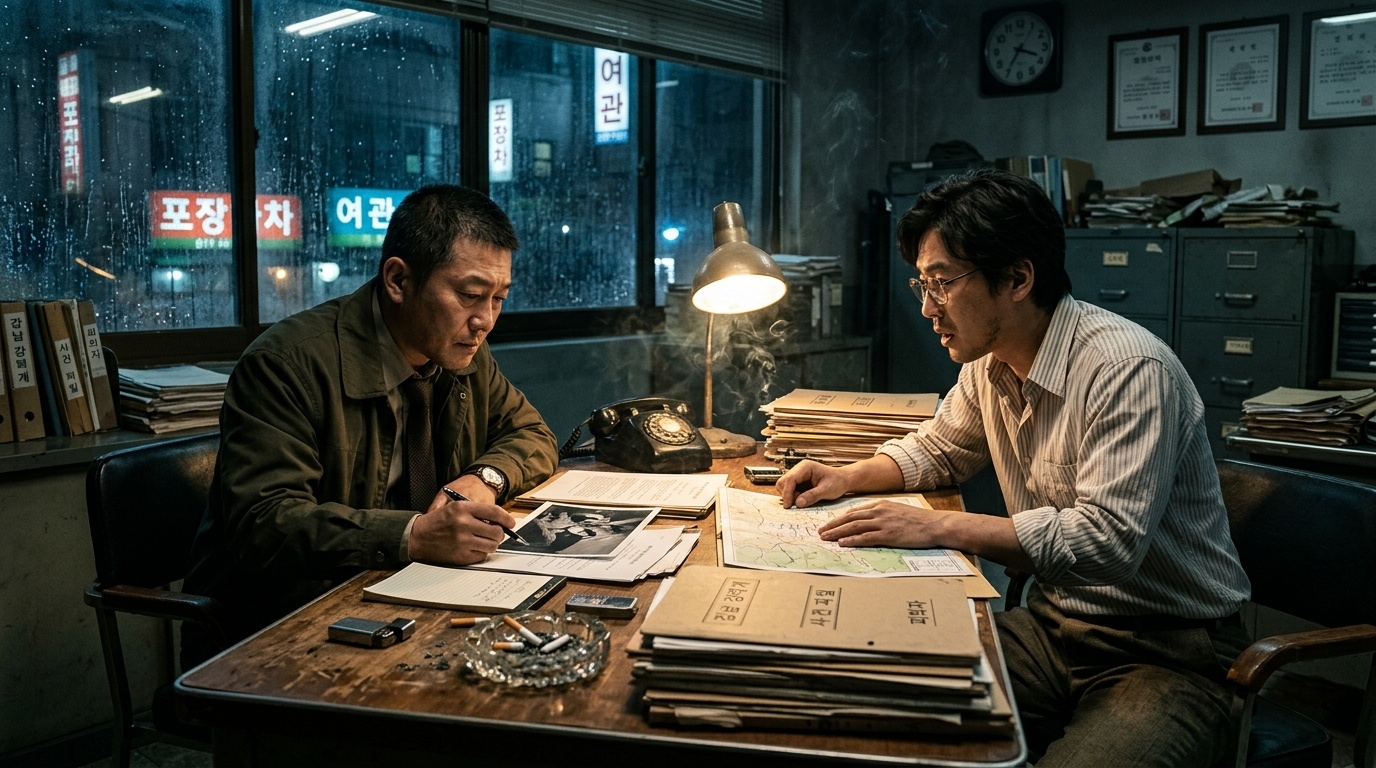
Understanding the controversy requires looking at the real event that inspired the film. The story is built around the August 15, 1974 shooting of First Lady Yuk Young-soo. The film follows a newspaper reporter and a detective investigating the suspicions and the people behind the incident, building a fictional hypothesis around it. Park Hae-il plays the reporter and Yoo Hae-jin plays the detective. The result is a work grounded in real events and records while also drawing on a dramatic film’s imaginative license.
Critics argue that certain characters and plot developments in the film suggest the possible involvement of then-President Park Chung-hee or the Korean Central Intelligence Agency behind the shooting. Given that the film draws on the death of a real person and a sensitive moment in modern Korean history, there’s concern that fiction could be mistaken for established fact. The central question is whether audiences unfamiliar with the actual case can clearly tell the line between the film’s hypothesis and the confirmed historical record, and critics argue that the narrative possibilities a film presents need to be kept distinct from what has been established as historical fact.
Historical Distortion Criticism Collides With Creative Freedom
On the other side, some argue that a dramatic film isn’t obligated to reproduce facts the way a history textbook or documentary would. Even when drawing on a real event, adding fictional characters, situations, and interpretations is simply part of filmmaking. From this view, what matters isn’t treating the film’s hypothesis as a settled historical conclusion, but keeping a critical distance between the work and the historical record. The argument extends further: banning all imaginative reconstruction simply because a film touches on a real event would narrow the range of expression available to dramatic filmmaking far too much.
The production team explained that while the film starts from a real event, it layers in substantial creative imagination, and said it never intended to assert a particular historical conclusion or distort the facts. But the dispute didn’t stay confined to interpreting the work; it spread into attacks on the cast and crew. A review video was taken private, and even a brand endorsed by one of the actors felt the fallout, as the controversy spilled well beyond the film itself. A new question has emerged over whether criticism of a film’s content and pressure aimed at the people who made it should be treated as the same thing.
Theater Greetings and Busan Film Festival Events Canceled
The production team had originally planned theater stage greetings from October 3 to 5, with Director Heo Jin-ho and actors Yoo Hae-jin, Park Hae-il, and Lee Min-ho scheduled to appear. Earlier notices said that actors Ryu Hye-young, Jang Ryul, and Choi Yu-ri would not attend some of these sessions, with a film representative explaining their absence stemmed from a change in how the events were run, not the controversy. At that point, the plan was still to keep the director and lead actors’ schedule intact.
But Hive Media Corp announced on October 2 that it was canceling the theater stage greetings altogether. The canceled events were the sessions planned for October 3 through 5 at theaters in the Seoul metropolitan area and Busan. The production company said it was concerned that the situation surrounding the film was placing an excessive burden on the cast and crew beyond the work itself, and that it had weighed the need to protect those involved along with the impact on audiences and theater staff.
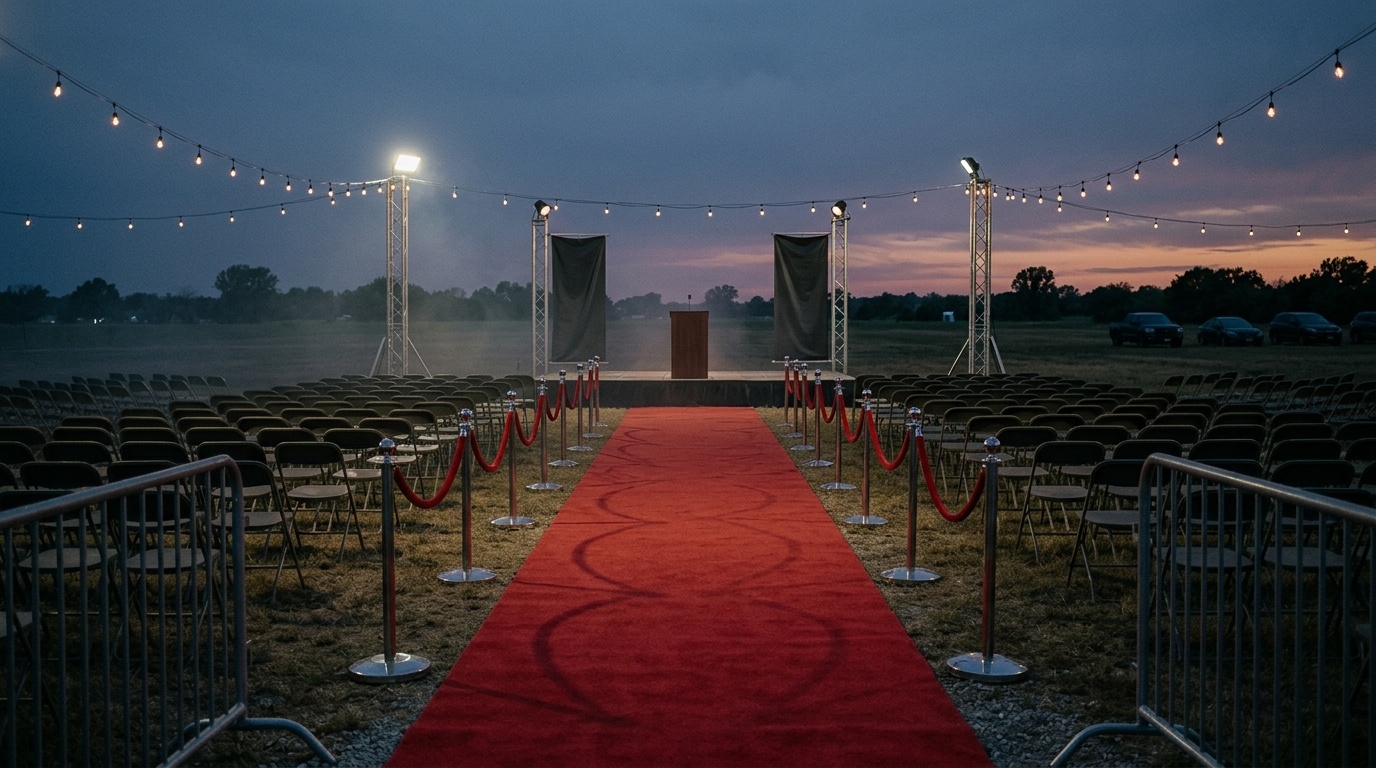
Events tied to the Busan International Film Festival were canceled as well. At the production company’s request, the festival’s opening ceremony appearance and the outdoor stage greeting planned for October 7 will no longer take place, and the “Actor’s House” session that Lee Min-ho was set to join was also called off. The scope of the cancellations extended well beyond the weekend theater greetings to the festival’s official schedule. At the very moment the film reclaimed the top box office spot, its major promotional and fan-facing events came to a halt instead.
Box Office Success and Historical Interpretation Are Different Questions
Crossing 1.82 million cumulative admissions while reclaiming the top box office spot shows that public interest in the film remains strong. But a high box office ranking doesn’t validate the film’s take on history, just as controversy alone doesn’t erase the significance of its commercial success. Admission numbers measure the scale of consumption and interest; assessing how a real event was reconstructed on screen calls for a separate kind of scrutiny. That a lot of people watched a film and that they agree with the interpretation it presents are not the same thing.
The dispute around “The Assassin(s)” revived a long-running question about how far a dramatic film grounded in real history can stretch its imagination. For international audiences, too, the key lies in separating the film’s hypothesis from the official historical record. Making sense of the work means weighing the narrative the film chose alongside the documented history, without treating the two as information of the same standing.
What remains to be seen is whether criticism of the film evolves into a debate about its content and how it’s portrayed, or keeps escalating into pressure on the individuals involved, alongside how the box office trend plays out. The cancellation of the theater greetings and Busan festival events shows that the dispute has already reached a stage where it’s directly affecting promotional schedules and the activities of the cast and crew. That the film reclaimed the top box office spot and had its events canceled around the same time captures how both interest in and pressure on the film have intensified together.
Sources: Korean Film Council integrated box office network, October 2, 2026; Yonhap News, October 2, 2026; MyDaily, October 2, 2026; SBS Entertainment News, October 2, 2026; Busan International Film Festival notice, October 2, 2026.