
Table of Contents
What the Final Screen of the Ten-Day Festival Left Behind
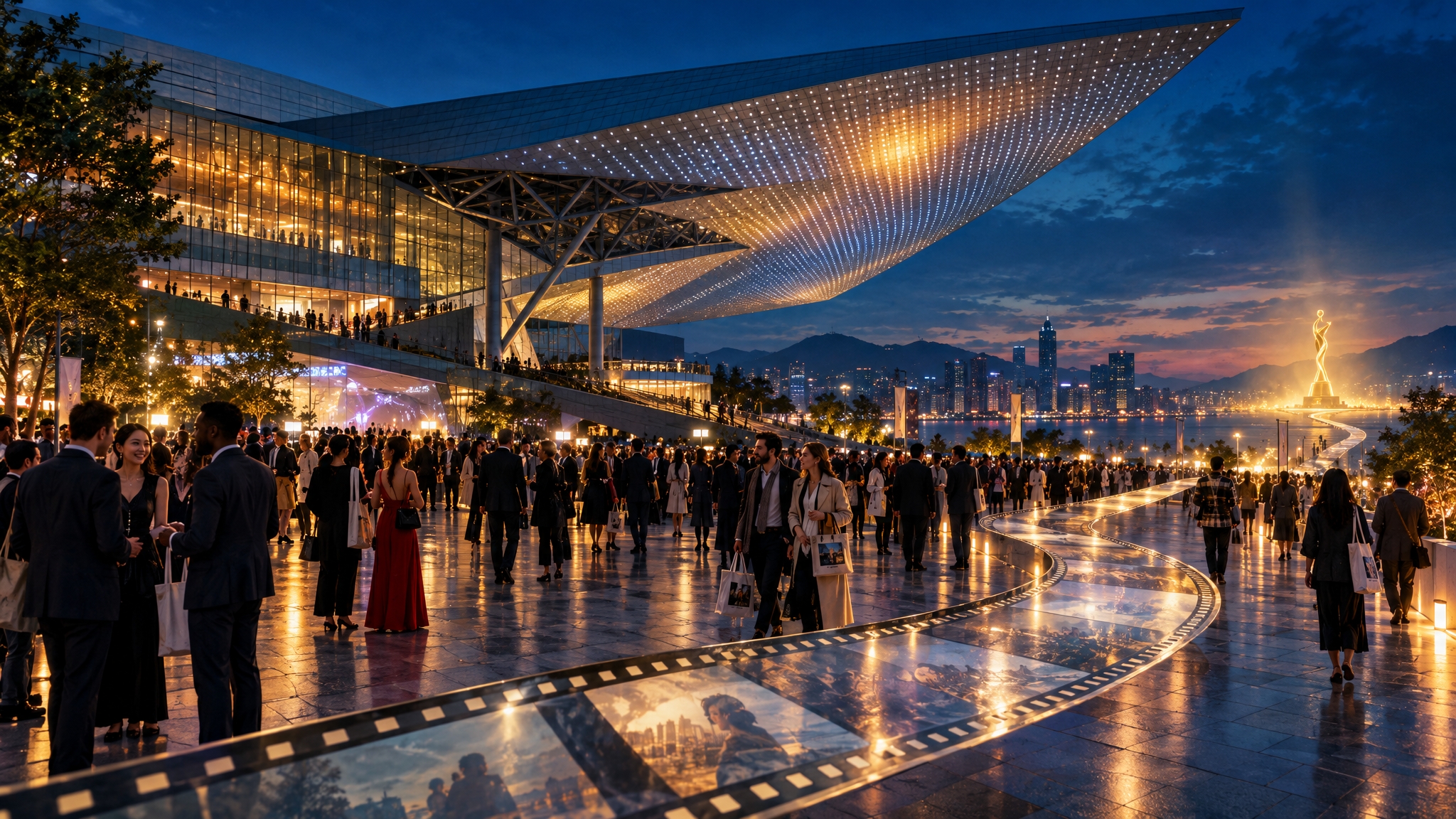
The 31st Busan International Film Festival (BIFF) wrapped up on October 15, 2026. The ten-day event, which opened on the 6th across the Busan Cinema Center, Centum City, Haeundae, and Nampo-dong, closed by screening the Busan Award grand prize winner as its closing film. The last screening went to a work chosen from this year’s competition. But what changed this year goes beyond a single award result. How Busan discovers films and moves them toward their next stage has shifted too.
This year’s lineup featured 315 films total: 246 official selections from 59 countries plus 69 Community BIFF screenings. Since the official selections and the audience-driven Community BIFF are separate programs, treating all 315 as the same category of international invitation misses the distinction. The lineup also included 95 world premieres and 10 international premieres, meaning first-ever screenings and first screenings outside the country of origin. Those numbers point to Busan’s role as a launch point for a film’s first international audience.
Audiences saw more than new releases and competition entries. In the special “Carte Blanche” screenings, director Kim Jee-woon picked Mad Max, actor Fan Bingbing chose The Handmaiden, and cinematographer Hong Kyung-pyo selected Three Colors: Blue. The program lets creators share films that shaped their own taste and inspiration. Busan built space for understanding the ideas behind films alongside space for judging them. Looking at how this festival’s foundation was built helps explain what this year’s changes actually mean.
1996: Building the Foundation to Encounter Asian Cinema
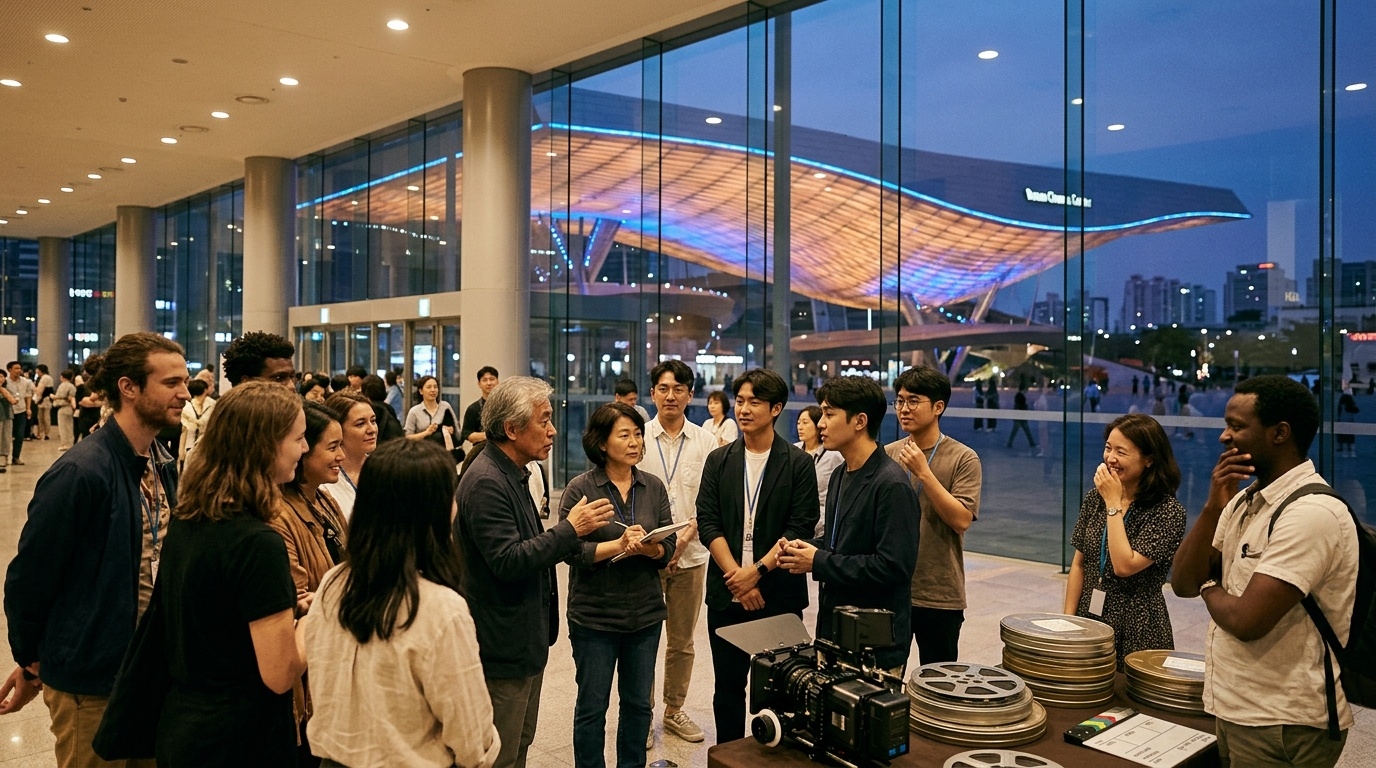
The Busan International Film Festival launched in 1996. Kim Dong-ho, its founding festival director, held the role until 2010 and guided the event through its early growth. On October 6 this year, he received the Korean Cinema Award at the opening ceremony. The person who helped start the festival returned to its stage at its thirty-first edition. The award recognized not a single film but his role in building a foundation where filmmakers, audiences, and industry could keep meeting year after year.
Busan’s role has never been limited to introducing Korean cinema abroad. Finding films from across Asia and connecting them to the world has been central to the festival from early on. For visitors from outside Korea, Busan works both as a local cultural event and as a place to see film trends from several countries at once. When films from different languages and production backgrounds share the same program, audiences see not just individual stories but the connections and differences across Asian cinema.
This foundation depends on both selecting films and recognizing the people who make them. Programs introducing new work capture the present moment; honorary awards point to the history behind it. Kim Dong-ho’s award this year was a reminder of the institutional groundwork that made the festival possible in the first place. That’s why measuring Busan’s growth by screening counts or celebrity appearances alone misses the point. The festival’s ability to keep bringing people together year after year is its real asset.
The Competition Section of 2025, the Creators of 2026
BIFF introduced a new competition section in 2025, making this its second year. Alongside its role discovering and showcasing Asian films, the festival strengthened the process for judging selected works under the Busan Awards. This doesn’t mean Busan had no competition or awards before. The new section gave the festival a clearer flagship evaluation point, extending Busan’s role from a place that introduces films to one that formally recognizes their achievement.
At this year’s opening ceremony, Malaysian actor Michelle Yeoh received the Asian Filmmaker of the Year award. Ann Hui, a leading director of the Hong Kong New Wave, received the Camellia Award the same day. Both awards were presented on October 6, and together they show how Busan balances judging new competition entries with honoring decades of work in Asian cinema. The program placed current films alongside long careers within the same festival.
Ann Hui’s Camellia Award wasn’t given for promoting other women in film. It recognizes the creative work and achievements of a woman filmmaker who raised the standing of women in the industry and opened new paths through her own career. This year’s award honored the body of work and artistic contribution Ann Hui has built over nearly fifty years. Understanding it that way, as recognition of one filmmaker’s own sustained output, gets the intent of the award right.

International Recognition, Not Just a Step Up
Building on that foundation, BIFF was officially designated this year as an “A Festival,” commonly called an A-list festival, by the International Federation of Film Producers Associations (FIAPF). That puts its recognized influence alongside Cannes, Berlin, and Venice. It means a role Busan has already played for years was confirmed under a new evaluation system. Framing this as Busan “becoming an international festival this year” misses the history and standing it had already built.
BIFF’s official press release ties the recognition to a change in how FIAPF accredits festivals, moving from classifications based on program type to a system that assesses a festival’s actual global impact. “Promotion” sums up the result but not the full context. Busan didn’t suddenly gain new value; its existing influence in connecting films, creators, audiences, and the industry was simply classified at a higher tier under the new system.
A festival’s classification is also separate from how its individual films are judged. A-list status doesn’t mean every film screened there gets the same reception as work shown at other major festivals. Each film’s reception still depends on its own selection and judging process. A festival’s global standing and the awards given within it operate on different levels. Both were in focus at Busan this year, and the next shift showed up in the path now open to its top prize.
Busan’s Top Prize Forges a Path to the Academy Awards
The Busan Award grand prize is now among the awards that qualify a film for submission to the Academy Award for Best International Feature Film. The Academy’s official guidelines describe this route alongside the standard one, where national or regional committees submit a representative film: a film can also qualify by winning the top prize at a designated festival. Busan’s judging no longer stays inside the festival. The venue that has long discovered and promoted Asian cinema is now a direct link to the international awards circuit for non-English-language films.
Eligibility doesn’t guarantee a nomination or a win. Submissions still have to meet language requirements, follow submission procedures, and pass eligibility review for that year. The official guidelines for the 99th Academy Awards set the qualifying-award deadline at before September 30, 2026. So this year’s Busan grand prize winner, decided on October 15, can’t be assumed to qualify automatically for the 99th Oscars. The actual edition and conditions that apply still need to be checked against that year’s rules.
From the 1996 launch, to the new competition section in 2025, to this year’s FIAPF accreditation and Academy qualification route, Busan’s role has clearly expanded. The core of that change isn’t simply that the festival got bigger. It’s that the festival’s function, discovering films and moving them to their next stage, has become more concrete. What’s left to watch is which films travel this new route to reach international audiences and juries. The real meaning of this recognition will show up in how those connections play out.
Sources: 31st Busan International Film Festival official overview, key features, and FIAPF accreditation press release, accessed October 13, 2026; BIFF Camellia Award recipient announcement press release, August 11, 2026; Sports Dong-A opening ceremony coverage, October 6, 2026; Sports Dong-A coverage of Ann Hui’s Camellia Award win, October 7, 2026; Academy of Motion Picture Arts and Sciences 99th International Feature Film Award official FAQ, July 2026.