Table of Contents
A French Toner Is the Most-Viewed Skincare Product at Olive Young
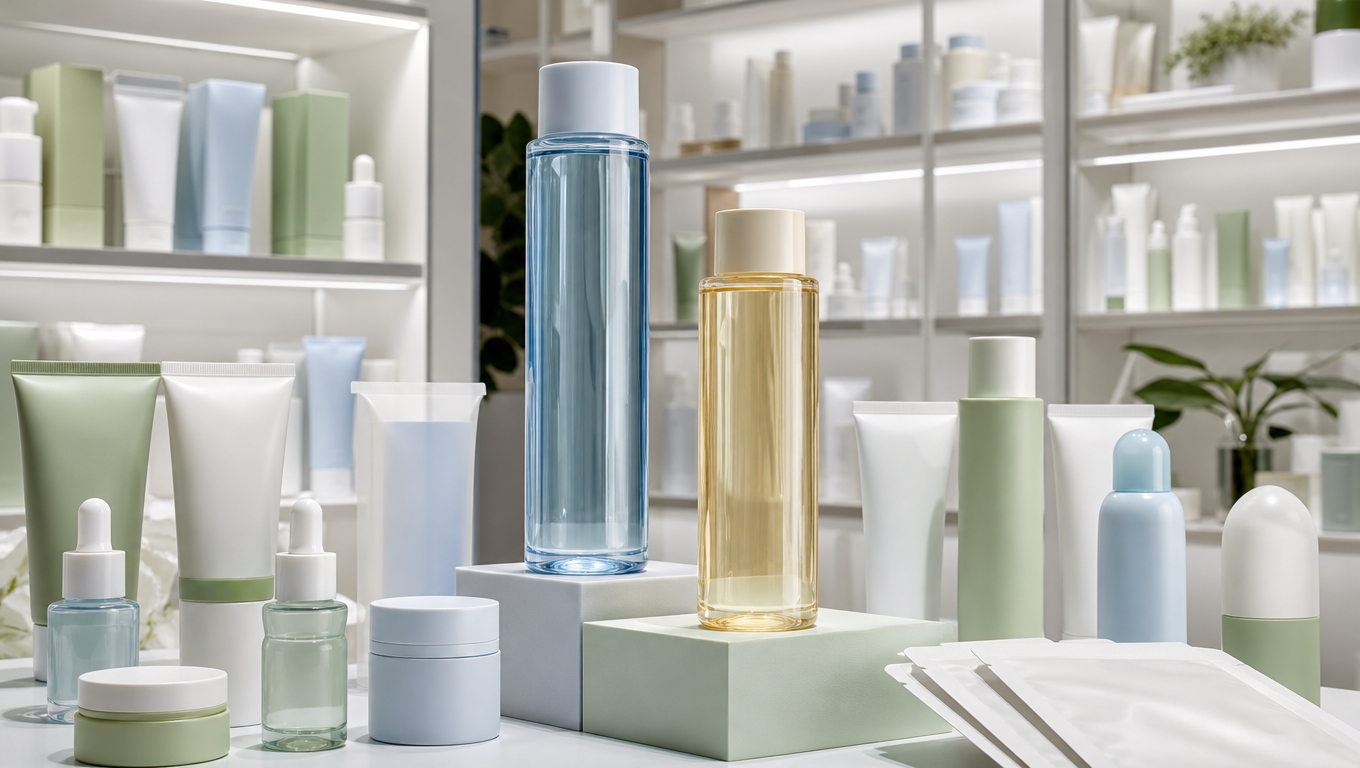
The most-viewed skincare product on Olive Young’s online mall was a toner from the French brand Bioderma, its Hydrabio Tonique. In a survey of the mall as of November 1, reported by the trade outlet Cosmorning on November 12, the 500ml set of that toner took first place. Second place also went to an import: The Ordinary’s Glycolic Acid 7% Exfoliating Toner in the 240ml size. At the store many people treat as the home base of Korean beauty, two imported toners sat at the top of the list.
That may surprise international readers who browse Olive Young looking for Korean brands. The same skincare top ten also included Paula’s Choice and a second size of The Ordinary’s toner. The survey shows Korean and imported brands competing on the same screen, with the balance between them changing from one product type to the next. Korean shoppers’ interest, in other words, is hard to explain through Korean-made cosmetics alone.
The rankings come from Cosmorning’s own data. On the first of every month, it surveys Olive Young’s entire online mall. The lists rank page views, not units sold or number of buyers, so they do not equal actual purchases or overall popularity. Within that limit, a clear contrast shows up: imported products stand out in skincare, dermocosmetics and body care, while Korean brands and manufacturers lead in sheet masks, cleansing and sun care.
875 Brands on One Online Shelf
Start with who is on the shelf. As of November 1, Olive Young’s online mall carried 1,546 cosmetics brands when brands listed in several categories are counted each time, eight fewer than the 1,554 in October. Count each brand only once and the total is 875, down four from 879 in October. The gap between the two numbers shows how many brands sell across several product categories at once.
Four brands joined the mall (Glint, Dmaf, Max Mara and Situea), and eight left. The figures also reflect a reorganization. When Olive Young changed its category structure in October, men’s care dropped out of the survey, so these counts describe the store under its new categories. They tell you which products ranked highest, and also how much of the shelf was surveyed.
By category, cleansing accounted for 13.8% of listed brands, sun care for 13.3%, body care for 10.9%, skincare for 10.2% and sheet masks for 9.5%. That works out to 205 brands in sun care, 158 in skincare and 147 in sheet masks. These shares describe the brand mix, not sales. With this many brands competing, the most-viewed items looked quite different from one category to the next.
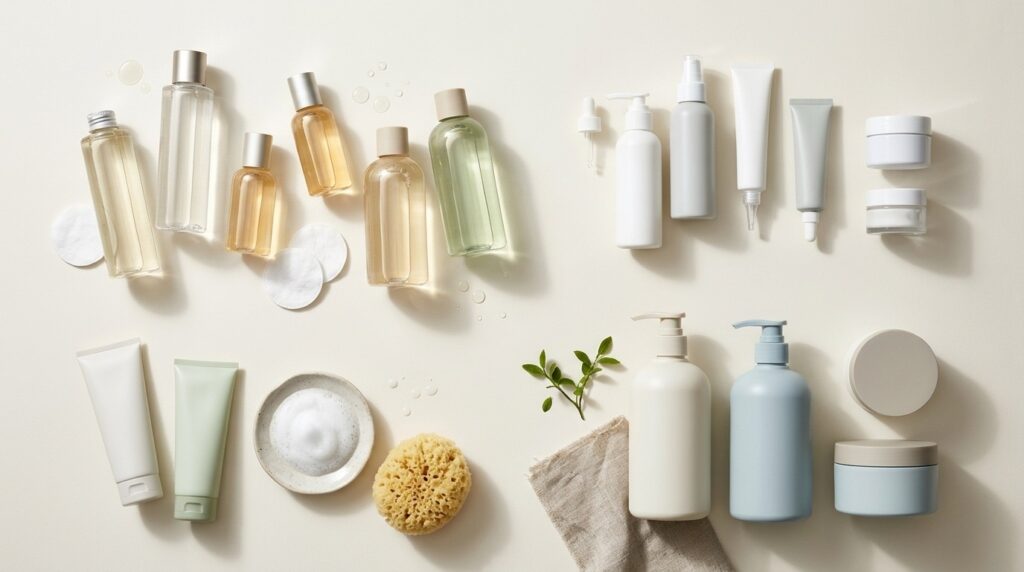
Imported Toners Rise While Korean Toners Hold On
A closer look at the skincare chart shows exactly where the imports landed. The Ordinary’s 240ml glycolic toner moved up from third in October to second in November. Bringgreen’s Tea Tree Cica Soothing Toner, whose two listings held first and second in October, slipped to fourth and fifth. The top of the chart changed hands between the two months.
Aestura’s Atobarrier365 Capsule Toner came in third. Paula’s Choice’s BHA Liquid Exfoliant was seventh, and the 100ml size of The Ordinary’s glycolic toner was eighth. Ninth and tenth went to Torriden’s Dive-In Low Molecular Hyaluronic Acid Toner and Round Lab’s 1025 Dokdo Toner. Imports held the top two places, but Korean brands were spread throughout the rest of the list.
Imported products took four of the top ten places: first, second, seventh and eighth. Because The Ordinary placed two sizes of the same toner, that means four products, not four brands. Cosmorning called this the notable point of the month: imported products appearing at several spots on the list, including both of the top two.
Imports Also Stand Out in Dermocosmetics and Body Care
In dermocosmetics, a category for skincare built around skin health, Korean and foreign brands shared the top of the list. First place went to Zeroid Intensive Lotion, and Aestura placed four products, at second, sixth, ninth and tenth. Unlike skincare, where imported toners led, a Korean brand took first place here, and a single brand filled several slots.
Among imports, La Roche-Posay’s Cicaplast Baume B5+ ranked third and its Multi-Repair Cream fifth, while Bioderma placed three products, at fourth, seventh and eighth. Together with Zeroid, Aestura’s four products, La Roche-Posay’s two and Bioderma’s three made up the whole top ten. What stands out is less a single leading brand than a mix of Korean and foreign products.
In body care, Dove and Leivy each placed two products in the top ten, alongside names such as Dr. Bronner’s, Tree Hut and Aveeno. By place of production, every item on the list was made overseas except three produced by Amorepacific, Hansol Bio-Science and Naturetech. Here, foreign products stood out by where they were made as well as by the name on the label.
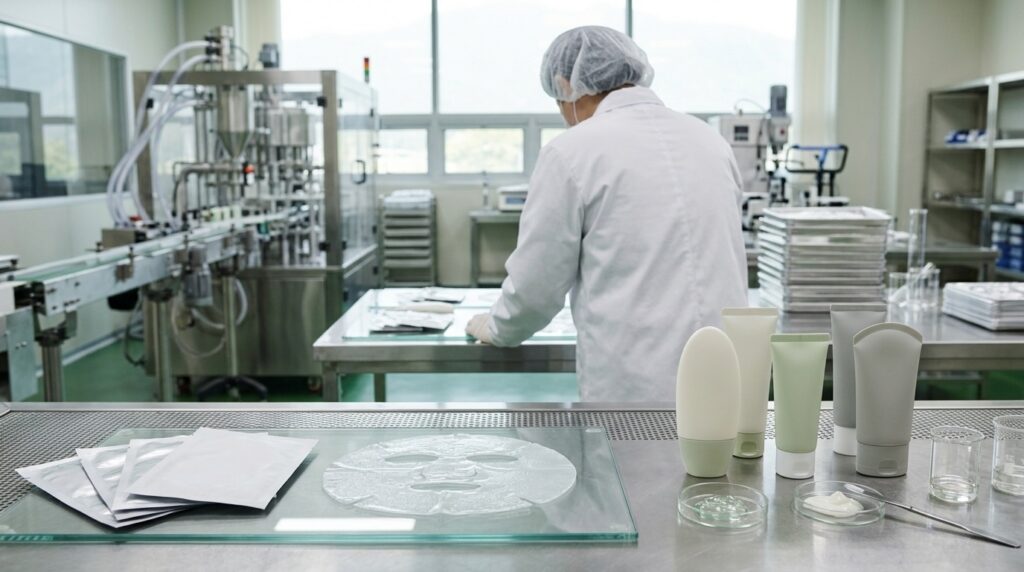
Zeroid Moves to the Front in Cleansing
The top spot in cleansing went to Neopharm’s Zeroid Foaming Cleanser, up from fourth in October. It drew 4,333 views, more than five times the product in second place. On the chart the two are one place apart, but the view counts show a wide gap between the leader and the next product. It is a sharp contrast with skincare, where imports led.
Arencia placed two cleansers from its rice cake soap line at second and fourth, and Beplain’s Mung Bean pH-Balanced Cleansing Foam stayed at third. One brand landed two products near the top while another held its place. Together, these top four products show how strongly Korean brands performed in cleansing.
Senka Perfect Whip, October’s number one cleanser, fell to fifth in November. So imported products led in skincare, while Korean products moved to the front in cleansing. Put the two categories side by side and neither Korean nor imported brands lead everywhere. Shopper attention simply lands differently depending on the category.
The Korean Manufacturers Behind the Sheet Mask Rankings
In sheet masks, Mediheal kept first, second and seventh place with the same three products it had in October’s top ten. Biodance’s Collagen Caviar PDRN Mask rose to third, with Anua fourth and Celimax fifth. The leaders held their places while other brands moved in around them, so the top of the list showed both stability and change.
New entries included the NoProb Hydrogel Mask at sixth and two House of B products, among them its PDRN Face Film, at ninth and tenth. Both House of B products are made by the manufacturer Genic. Shoppers see the name House of B on the online mall, but follow the products back to the factory and both lead to the same company.
The term for this arrangement is ODM, short for original development manufacturing: a company develops and produces products on behalf of a brand. Read by brand, the mask chart shows a new name breaking in. Read by manufacturer, it shows two Genic products entering together. That is why making sense of Korean beauty means watching the competition between brands and the competition between the manufacturers behind them.
Manufacturers Compete in Sun Care, and Back to That First Toner
In sun care, which Cosmorning said moves even more from month to month than cleansing, Mediheal’s Madecassoside Moisture Sun Serum returned to first place. It was number one in September, fell out of the top ten in October and was back on top in the November survey. Over three surveys, the same product’s ranking swung widely, and the month-to-month movement stood out as much as which brands appeared.
By manufacturer, Kolmar Korea made six of the top ten sun care products, Greencos made two, and Cosmax and Cosmecca Korea made one each. Group these differently branded products by who made them and a contest among Korea’s ODM companies comes into view. As with Genic in sheet masks, this is a layer of the industry you cannot see from the brand names on the online shelf alone.
Back where this started, with Bioderma’s toner: an import leading the skincare chart is one view of Korea’s beauty market. Next to it, Korean cleansers, Korean sheet masks and sunscreens made by Korean manufacturers fill other charts. The next thing to watch is how long this contrast lasts. Korean beauty shopping comes into sharper focus as a set of interests that differs by product type than as a story about any one country of origin.
Source: Cosmorning, November 12, 2026 (survey data as of November 1, 2026).