Table of Contents
Establishing a Separate Legal Foundation to Foster the Cosmetics Industry
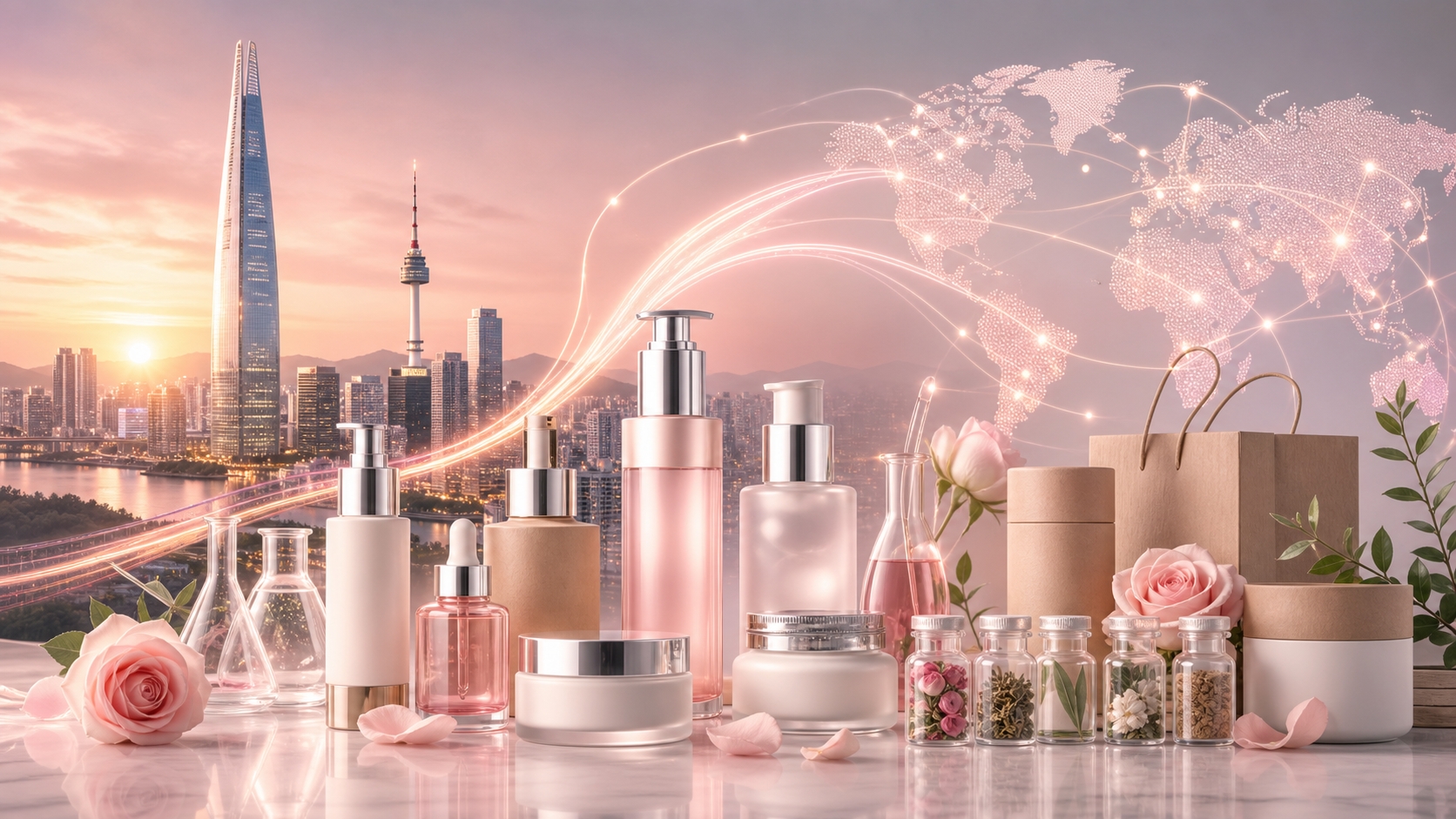
On August 20, 2026, the South Korean National Assembly passed the enactment bill for the “Cosmetics Industry Promotion and Support Act” during its plenary session. Dubbed the Cosmetics Industry Promotion Act, this marks the first piece of legislation specifically dedicated to systematically nurturing the entire cosmetics ecosystem—spanning research and development (R&D), manufacturing, distribution, and global expansion. While laws regulating product safety and quality have long existed, there was a noticeable lack of a separate legal framework designed to actively support the industry’s growth and international competitiveness.
Once the law goes into effect, the Minister of Health and Welfare will be required to establish a comprehensive plan for the promotion and support of the cosmetics industry every five years. A joint committee, bringing together members from both the private and public sectors, will also be set up to deliberate and coordinate major policies. The goal is to move beyond isolated support projects and create a medium-to-long-term policy framework that connects R&D, production, distribution, and overseas expansion. These five-year plans will serve as a guiding compass, helping the industry navigate short-term market shifts while charting a long-term course for research and exports.
The enacted law will take effect one year after it is promulgated following the Cabinet’s deliberation and approval. This means concrete corporate support won’t kick off the moment the bill passes the National Assembly. Specific policies will be rolled out through the comprehensive plan and related systems established after the law comes into force. Nonetheless, the passage of this bill is a crucial starting point, shifting K-Beauty from relying solely on the successes of individual companies to being actively supported as a national industrial policy.

Certifying ‘Innovative Cosmetics Companies’ and Offering Preferential Support
One of the standout features of the new law is the certification system for “innovative cosmetics companies.” The government will grant this certification to businesses that demonstrate strong R&D investment and a solid capacity for global expansion. Once certified, these companies will receive preferential treatment when participating in support or R&D projects led by the national or local governments. It’s a mechanism designed to link policy support not just to current revenue, but to a company’s potential to develop new products and technologies and break into overseas markets.
By categorizing and prioritizing companies with the capability to innovate and expand globally, the government is making a strategic move. It provides an institutional pathway to back R&D and long-term export competitiveness, ensuring that the global craze for K-Beauty is more than just a fleeting trend driven by a few hit products. With a clear basis for receiving preferential treatment in government initiatives, businesses can now access the resources they need for research and international growth within a much more consistent framework.
Crucially, this support isn’t limited to the manufacturers of the finished products you see on store shelves. It encompasses various sectors that make up the entire industrial ecosystem, including cosmetics R&D, raw materials, packaging, manufacturing, and distribution. The law aims to nurture the entire supply chain involved in bringing a cosmetic product from its initial concept to the hands of consumers, both locally and abroad. This approach recognizes that sustaining stellar export numbers for finished goods requires bolstering the capabilities of every sector involved in the creation process.
Shifting from Safety Management to an Industry Promotion Framework
South Korea already had a “Cosmetics Act” in place, but its primary focus was managing the safety and quality of products. Regulations ensuring the safety of consumer goods are, of course, essential. However, industry insiders continuously pointed out the limitations of relying on this act to provide national-level support for a rapidly growing sector’s R&D and global expansion efforts. The new Cosmetics Industry Promotion Act establishes a legal basis for industry growth separate from the existing safety management system. It adds the necessary foundation for growth-oriented support policies while keeping crucial safety and quality regulations intact.
South Korean cosmetics exports hit a record-breaking $11.4 billion (approximately 15.9 trillion won) in 2025, cementing the country’s position as the world’s second-largest exporter in this field. As export volumes grow, so does the importance of policies that can sustainably back corporate R&D capabilities and overseas market penetration. This new law provides the groundwork to support the mature K-Beauty industry under a unified national plan. Rather than viewing export figures as a temporary boom, the legislation embodies a commitment to maintaining a competitive edge through continuous R&D and corporate development.
Minister of Health and Welfare Jeong Eun-kyeong noted, “K-Beauty has grown into an export industry with world-class competitiveness, driven by the innovation and bold challenges of our companies.” Ultimately, the tangible impact of this new law will depend on how effectively the upcoming five-year comprehensive plan, the innovative company certification, and the various support programs translate into real-world R&D breakthroughs and overseas success on the ground.
Sources: Yonhap News, August 20, 2026.