
Table of Contents
Keep an Eye on the Moment a Shampoo Walks Into Sephora
When you walk into Sephora, you probably head straight for the lip products or the serums. This time, though, it’s worth keeping an eye on a scalp care brand instead. Dr. Groot, from LG Household & Health Care, is set to officially launch in roughly 400 Sephora stores across the U.S. starting in August. Dr. Groot is a K-hair care brand built around products with a hair-loss-relief functional claim and broader scalp management. Read it as a signal: K-beauty’s U.S. retail footprint, long associated mainly with skincare, is now stretching into hair and scalp care too.
This Sephora launch wasn’t the plan from day one, though. Dr. Groot first entered North American Costco stores back in October of last year. The pattern here is to test consumer response in a warehouse channel built around bulk sizes and repeat purchases, then expand into a specialty beauty channel where people go to discover and compare products. Costco and Sephora work very differently as shopping experiences, but holding both channels at once lets a brand reach customers who move back and forth between everyday household goods and premium beauty picks.
North America Just Outsold China for the First Time
This retail expansion looks a lot clearer once you put numbers next to it. LG H&H’s North American sales for Q2 2026 came to 205.8 billion won, up 47.3% from the same quarter a year earlier. China sales over that same period fell 5.0%, to 176 billion won. This is the first time North American quarterly sales have overtaken China since LG H&H launched as an independent company. Total overseas sales also rose 12.6%, to 584.5 billion won, pushing overseas revenue’s share of total sales up to 35%.
You shouldn’t read this, though, as “China is over, America is the only answer.” A single quarter’s regional sales reversal is a genuinely important milestone, but China and North America differ in market size, retail structure, and consumer taste. The more accurate read is that LG H&H’s growth is no longer anchored to a single region. A durable long-term portfolio needs its premium skincare experience in China, its digital commerce and mass retail experience in North America, and its entry into specialty beauty stores, all working at the same time.
Scalp Care Isn’t Only About Hair Loss
There’s a common misconception you might run into when you look at Dr. Groot products: the idea that scalp care is only for people losing a lot of hair. In practice, scalp care is also a category built around everyday scalp conditions — dandruff, oiliness, dryness, heat sensitivity, irritation after frequent washing. Your scalp is part of your skin, and hair products in general are moving quickly from “just for cleansing” toward products that manage your personal condition. That makes this a category that’s genuinely easy to explain to a Sephora customer who already thinks in skincare terms.
It’s worth understanding the word “functional” here a little carefully. In Korea, “hair-loss-relief functional cosmetics” is a labeling category products can carry only after passing a set review process. That doesn’t mean the product treats a medical condition the way a drug would, though. If your hair loss has suddenly gotten worse, or if your scalp is painful or inflamed, it’s safer to talk to a medical professional than to simply switch shampoos. When you’re choosing a product, start by checking whether your scalp runs dry, oily, or sensitive, and how often you actually wash your hair.
A Sephora Launch Means More Than One More Shelf
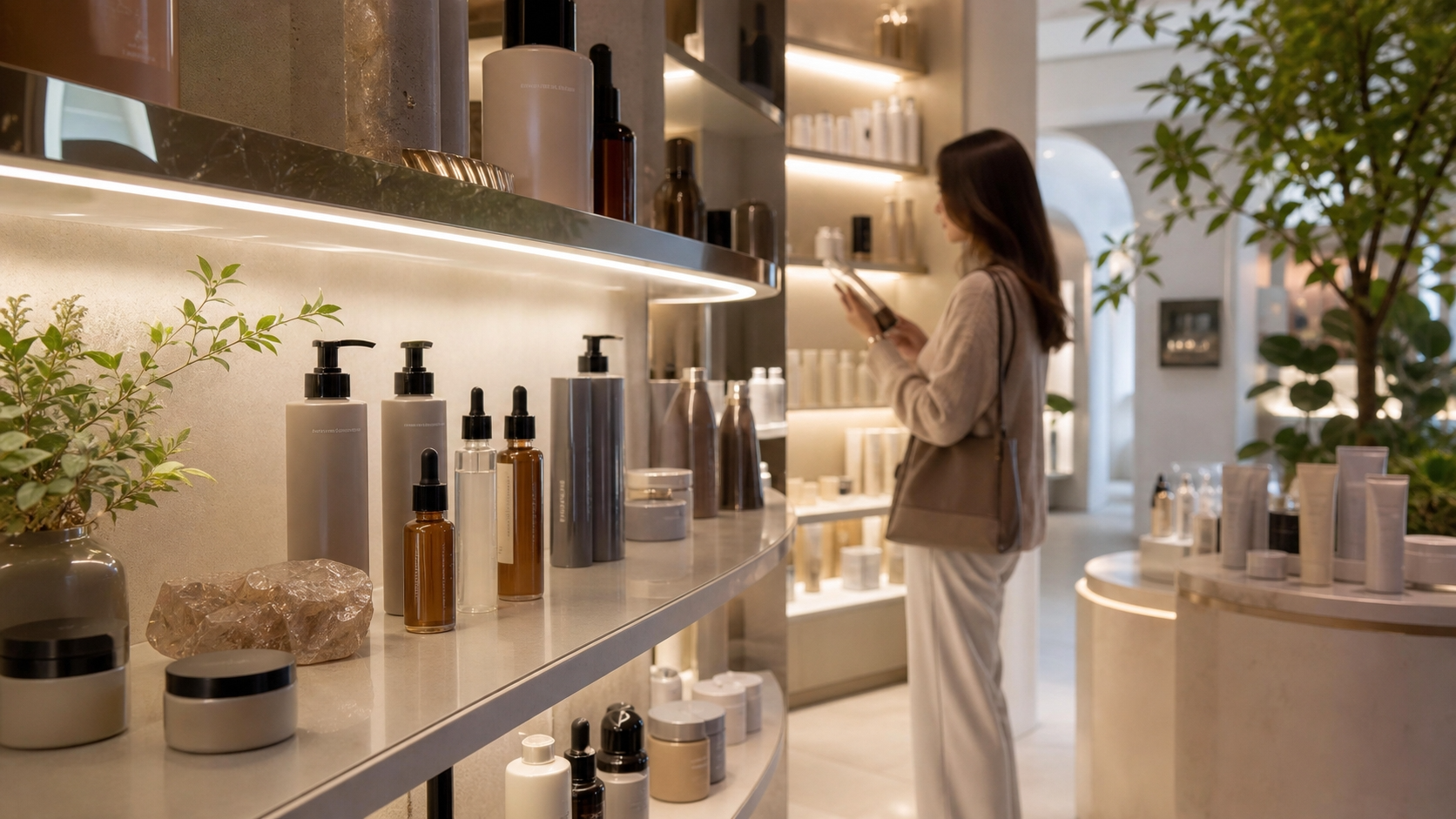
Sephora in the U.S. isn’t just a store that happens to move a lot of volume. It’s a space where consumers compare ingredients, formulas, and the feel of use across brands in one place, moving back and forth between online reviews and in-store testing. Shampoo and scalp serum, in particular, come with a lot of qualities — scent, lather, how your scalp feels after rinsing — that are genuinely hard to judge from a screen. Landing in roughly 400 stores means Dr. Groot is widening its points of contact where American customers can actually test the product themselves. Once it’s on the shelf, repeat-purchase rates, reviews, and which product lines customers actually pick become the more important data.
In its Q2 earnings, LG H&H pointed to overseas online and offline growth for its major brands, Dr. Groot included. At the same time, its beauty division swung back into the black, posting 818.4 billion won in sales and 44.4 billion won in operating profit. The company noted, though, that some of that operating-profit improvement came from one-off factors, including a U.S. tariff refund. So rather than assuming right away that the Sephora launch will translate into a sustained earnings climb, it’s more accurate to watch how North American sales and profitability actually hold up over the next several quarters after launch.
Before You Buy, Check Your Own Scalp Routine First
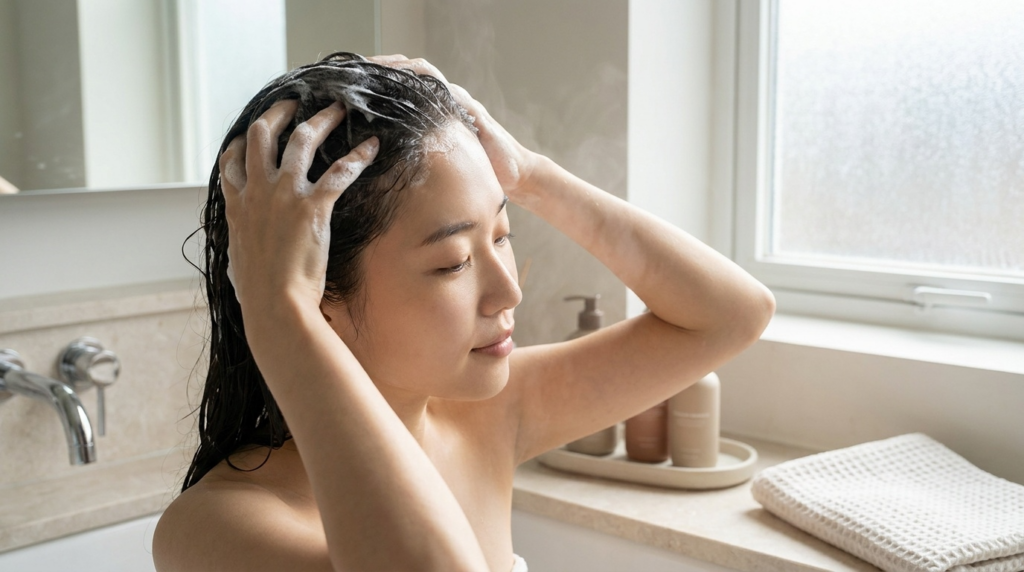
If summer heat is leaving your scalp oily and uncomfortable, start by checking your own washing habits first. Washing for too long with water that’s too hot, or scrubbing hard with your nails, can actually cause more irritation. The basics still apply: lather shampoo well in your hands first, spread it gently over your scalp, and rinse thoroughly enough that nothing lingers. Even with a functional shampoo, it’s better to follow the product’s recommended routine for a set period than to expect a visible change after a single wash.
If you come across Dr. Groot at a Sephora in the U.S., check the scent and formula in person first, and compare labels against your own scalp concerns. Someone with dry ends from frequent coloring or heat styling, someone dealing with oiliness and dandruff, and someone specifically looking for a hair-loss-relief functional product will all be weighing different things. K-beauty’s next chapter of expansion in the U.S. may not be all about bold makeup. It’s worth keeping an eye on how Dr. Groot performs on Sephora’s hair care shelves as this plays out.
Source: LG Household & Health Care Q2 2026 earnings release, July 29, 2026; Korea Biomedical Review, July 30, 2026; The Chosun Ilbo, July 29, 2026.