
Table of Contents
On August 1, a Conversation We Thought Was Over Opened Back Up
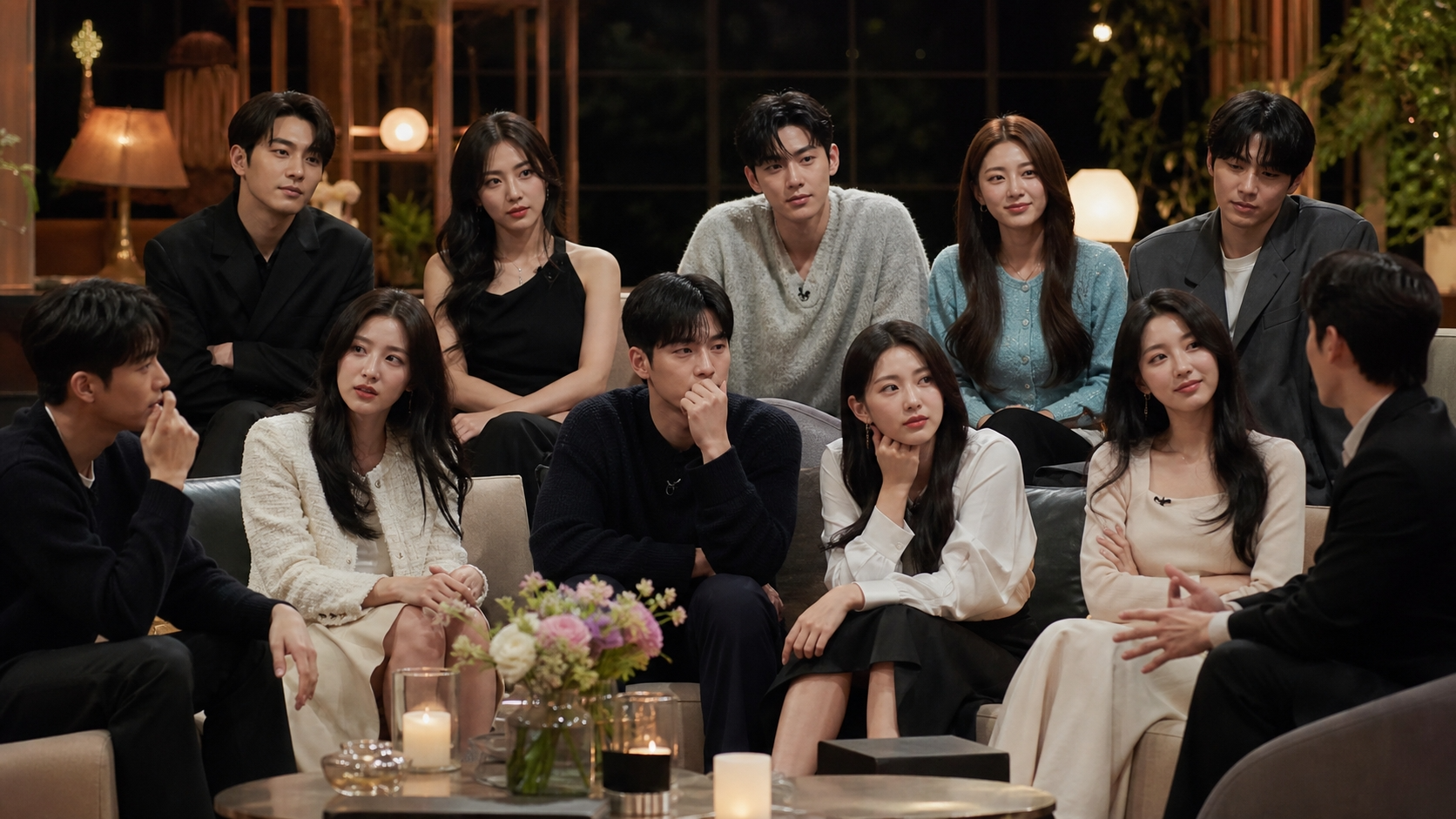
Even after the last episode of a dating show airs, viewer timelines rarely go quiet. Who kept in touch with whom, what happened once the cameras stopped rolling, what that expression during the final choice actually meant — these questions tend to linger. Netflix’s “Better Late Than Single: After Service,” released on August 1, starts exactly from that gap. It’s a spinoff that brings the cast of “Better Late Than Single Season 2” back together after filming wrapped, connecting the show’s ending to real time that kept moving.
The title “After Service” sounds light and playful, but the questions the show tackles are fairly specific: did the final couple actually keep seeing each other, and if the relationship didn’t continue, how did that conversation end? What did the cast wish they’d said on camera but didn’t? According to Netflix Korea’s official description, the spinoff covers the final couple’s current status, behind-the-scenes filming stories, a truth game where cast members open up about their real feelings, and firsthand accounts from those who gained dating experience through the show.
A “Current Couple” Isn’t a Verdict — It’s an Update
For readers new to Korean dating shows, it helps to know the term “hyeonkeo” (현커), short for “current couple” — whether cast members are still actually dating after filming and the final choice wraps. It’s fandom shorthand built on the premise that the show’s ending isn’t the same as the relationship’s ending. That’s why confirming a hyeonkeo generates a much bigger reaction than an ordinary spoiler would. Viewers watching scenes filmed months earlier are often already wondering what season the relationship is in now.
Still, whether a couple is still together isn’t the whole point of this spinoff. On a dating show, choices happen within an edited window of days or weeks, but real relationships run into conditions the camera never captured — everyday texting habits, distance, work, personality differences. “Better Late Than Single: After Service” takes that gap head-on. Whether someone kept the relationship they formed at the final choice may end up mattering less than how the people trying a relationship for the first time made sense of that experience.
What the “Never Been in Love” Story Left Behind Is Language, Not a Makeover
The cast of “Better Late Than Single” started from a shared trait: none of them had dating experience. But in Korea, the term used for this — “motaesolo,” or someone who’s never had a boyfriend or girlfriend — tends to carry more than that one fact. It bundles in the anxiety of not knowing what a confession moment feels like, the tension of not knowing what to say on a date, the unfamiliarity of responding to someone else’s interest. Part of why the original drew so much attention is that it followed the cast through the first, clumsy scenes of forming a relationship rather than treating them as people who needed fixing.

In the spinoff, that story shifts a step further. The cast members are no longer just contestants nervous around someone they’re meeting for the first time. They’ve since watched themselves back, and they’ve lived through the online reaction. So this follow-up isn’t only about the relationships — it also carries the experience of facing “the self they saw on screen.” What they’d take back, which piece of advice actually helped, how they’ve come to understand feelings they didn’t recognize while filming — that’s the core of it.
Reunion Specials Are Reshaping How We Watch
Older dating shows often closed out a season the moment the final choice aired. But streaming-era viewing habits work a little differently. Audiences binge several episodes right after release, then keep the story going through clips, cast social media, interviews, and livestreams. When a production team puts out an official spinoff like this, it’s really pulling that ongoing conversation back into official content — replacing scattered speculation with the cast’s own account.
There’s a caveat here worth naming. The fun of finding out how a relationship turned out shouldn’t tip into over-scrutinizing cast members’ private lives. Given that the original followed people experiencing a relationship for the first time, reducing “did it last” to a simple pass-or-fail read risks missing the point of the show entirely. A good reunion special shouldn’t be reducible to “who ended up with whom” — it should show why mutual respect still matters in the conversations that happen after a choice is made.
This Time, the Real Star Is the Time Off Camera
The information released in trailers isn’t enough to declare any couple’s current status or exact ending in advance. The short clips and posters that came out around the release were clearly built to leave questions open rather than answer them. So the real draw here isn’t guessing the right answer — it’s the language cast members use to describe their own time since filming. Expect scenes that revisit the excitement of the final choice, apologies or confessions that never made it on camera, and friendships that outlasted a relationship that didn’t.
Fans who watch all six released reunion episodes might walk away with a different question than the original raised: does starting a relationship take flawless technique, or the courage to admit what you don’t know? “Better Late Than Single: After Service” seems less interested in a single answer than in showing several scenes of where the cast stands now. Anyone who remembers that final choice from the main season will likely spend the time after August 1 watching, quietly, to see how fast that choice moved once the cameras were gone.
Source: Netflix Korea official X announcement, July 29, 2026; ETODAY, July 30, 2026.