
Table of Contents
Bundling Transit and Admission for a Trip to Busan
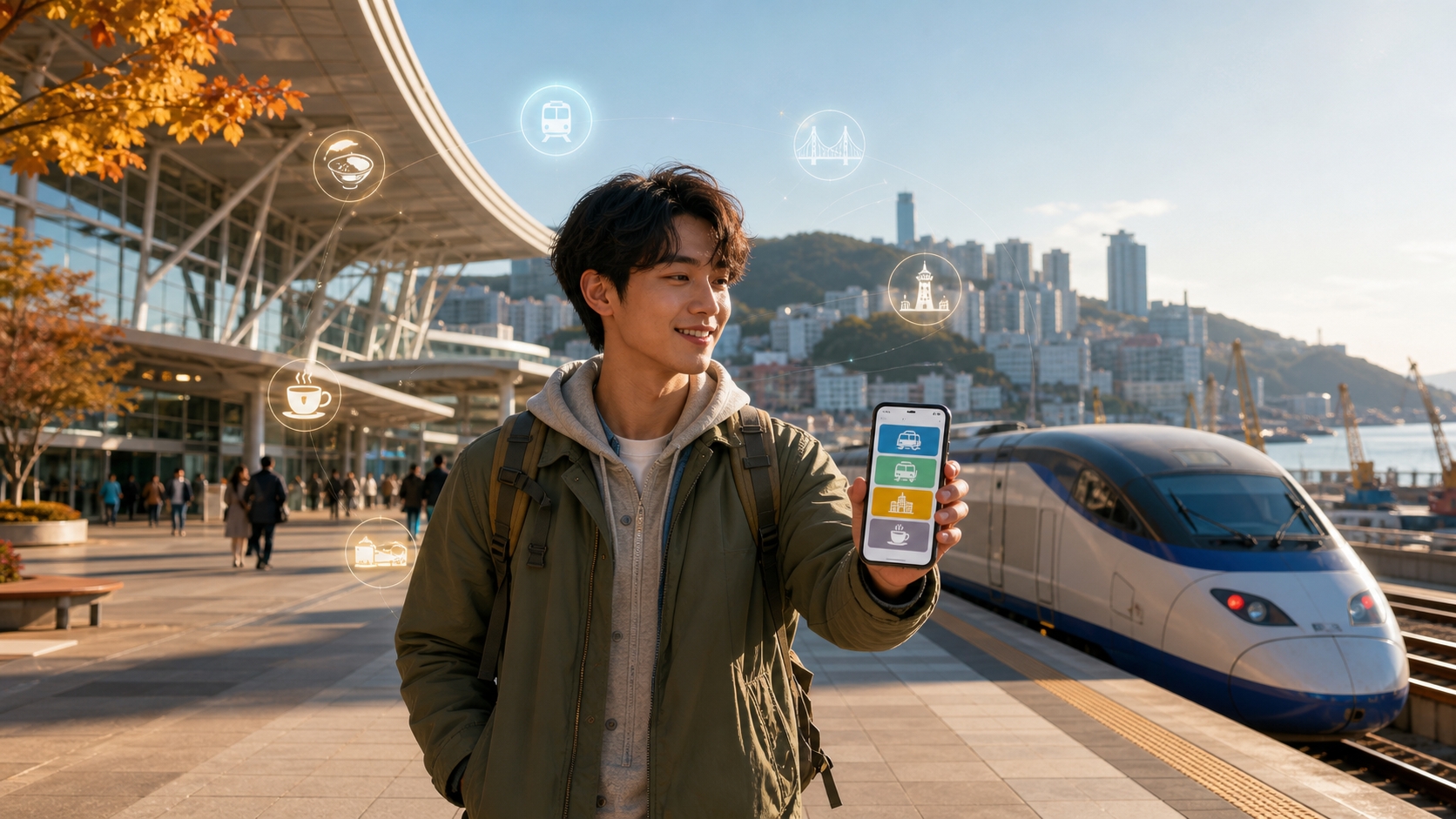
On October 1, 2026, the Ministry of Culture, Sports and Tourism and the Korea Tourism Organization launched a pilot “K-Tour Pass” for international visitors heading to Busan. It bundles discounted intercity transit, free admission to local attractions, and discounts at partner businesses into one pass. It’s aimed at free independent travelers who plan their own transit, lodging, and itineraries rather than following a group tour.
The pass costs 15,000 won, about $11. After buying it online, travelers can use a digital barcode or get a physical smart card. It’s sold through the overseas travel agencies Klook and HopnHop, so travelers don’t have to book transit and local tours through separate sites.
It’s built differently from a typical city attraction pass. By linking the trip to Busan, whether from Seoul or directly from the airport, with sightseeing once there, it removes a layer of separate bookings for travelers unfamiliar with getting around outside the capital, and makes it easier to estimate costs before the trip.
Seoul Still Draws Most of Korea’s Foreign Visitors
The pilot responds to how concentrated foreign tourism is in Seoul. According to the ministry, over 75% of foreign visitors go to Seoul, while only about 16% make it to Busan. Busan is the most visited city outside Seoul, but the gap in actual visitor numbers is still wide.
That gap is why the government picked Busan as the test city. It already has name recognition abroad and existing tourism infrastructure, so the plan is to see whether lowering transit costs and booking friction shifts travel patterns, and whether the approach can expand to other regions. Rather than another marketing push, it treats the trip from Seoul to the provinces as part of the travel product itself.
Independent travelers don’t have a bus or guide handling logistics for them; they have to work out intercity transit and local transportation on their own. The K-Tour Pass is a direct response to that friction. The usage data collected will also show the ministry how foreign visitors move and which benefits they use.
Two Passes for Two Kinds of Trips
The pass comes in two versions. “Pass 1” is a single-journey ticket to Busan, and “Pass 2” is paired with the two- to five-day Korail Pass. Pass 1 gives up to 40% off a one-way intercity train or bus ticket to Busan. Pass 2 gives a discount on the Korail Pass for travelers planning to move between several cities by train.
Both include discounted airport express train fares and the same Busan attraction benefits: free entry to one of 35 participating attractions, plus discounts at 50 partner cafes, workshops, and tour operators. It covers more than transit; it connects the trip to spending and activities once travelers arrive.
Travelers can pick based on their plans. A single trip to Busan from Seoul or the airport fits Pass 1. A multi-city rail trip fits Pass 2, through the Korail Pass link. Both cost the same.
Digital or Physical, However Travelers Prefer
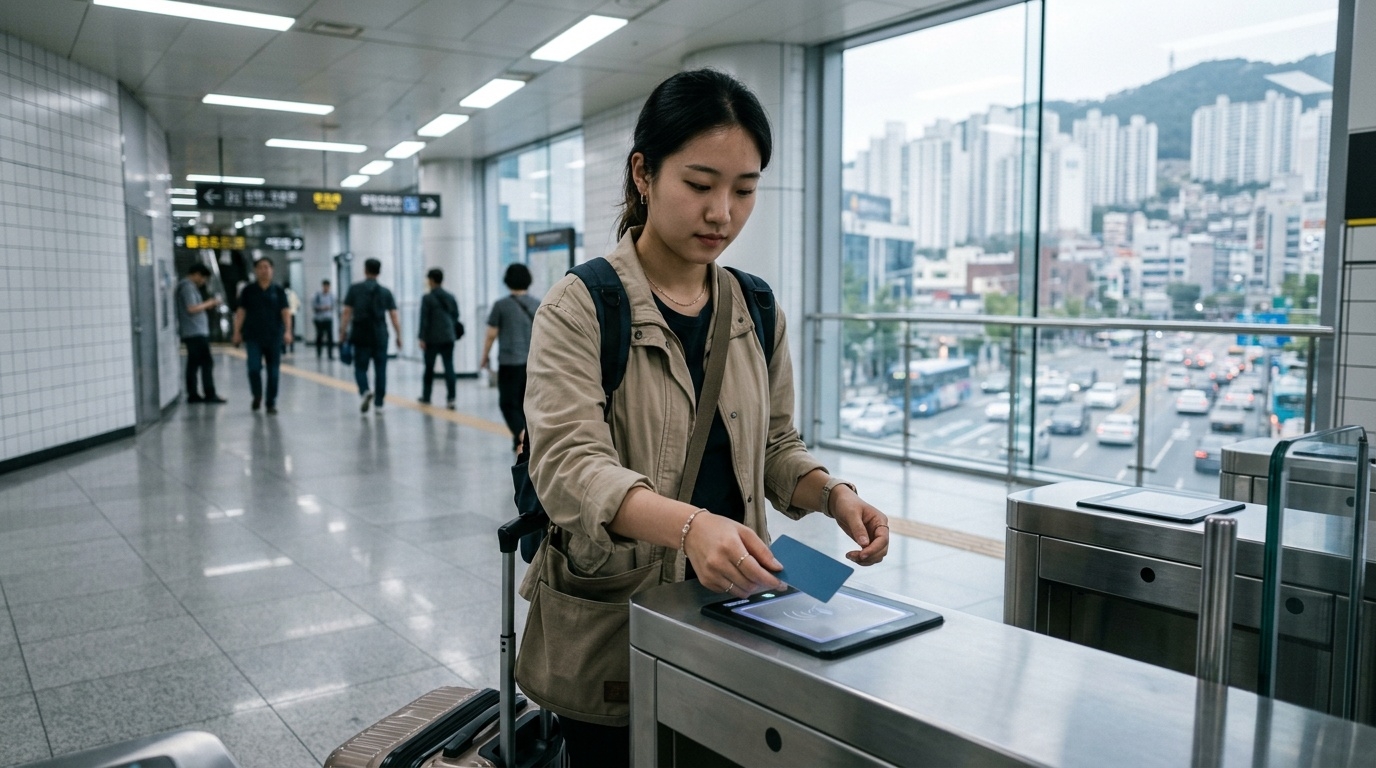
At each attraction, travelers show their digital barcode for free entry or a discount. Those who want a physical card can get one free at kiosks in Incheon, Gimpo, and Gimhae airports, and at Seoul and Busan train stations. Travelers comfortable with their phones can stick to the barcode; those who want a single card for transit and payment can use the physical version instead.
The physical card doubles as a transit card for Busan’s subways and buses. Loaded with Korean won, cash or by international credit card, it also works as a debit card. That means travelers don’t need to find a separate transit card after they arrive.
The ministry plans to refine the pass using data from this pilot. By 2027, it wants to extend similar benefits to five regional tourism hubs built around regional airports, and has set aside about 9 billion won for 2027, roughly triple the 2026 budget. Whether the K-Tour Pass succeeds will depend less on how many are sold and more on whether it actually gets independent travelers to go beyond Seoul and spend time in other regions.
Source: Ministry of Culture, Sports and Tourism & Korea Tourism Organization Press Release, October 1, 2026; Korea.net, October 2, 2026.


