
Table of Contents
A single guest appearance set the team in motion again
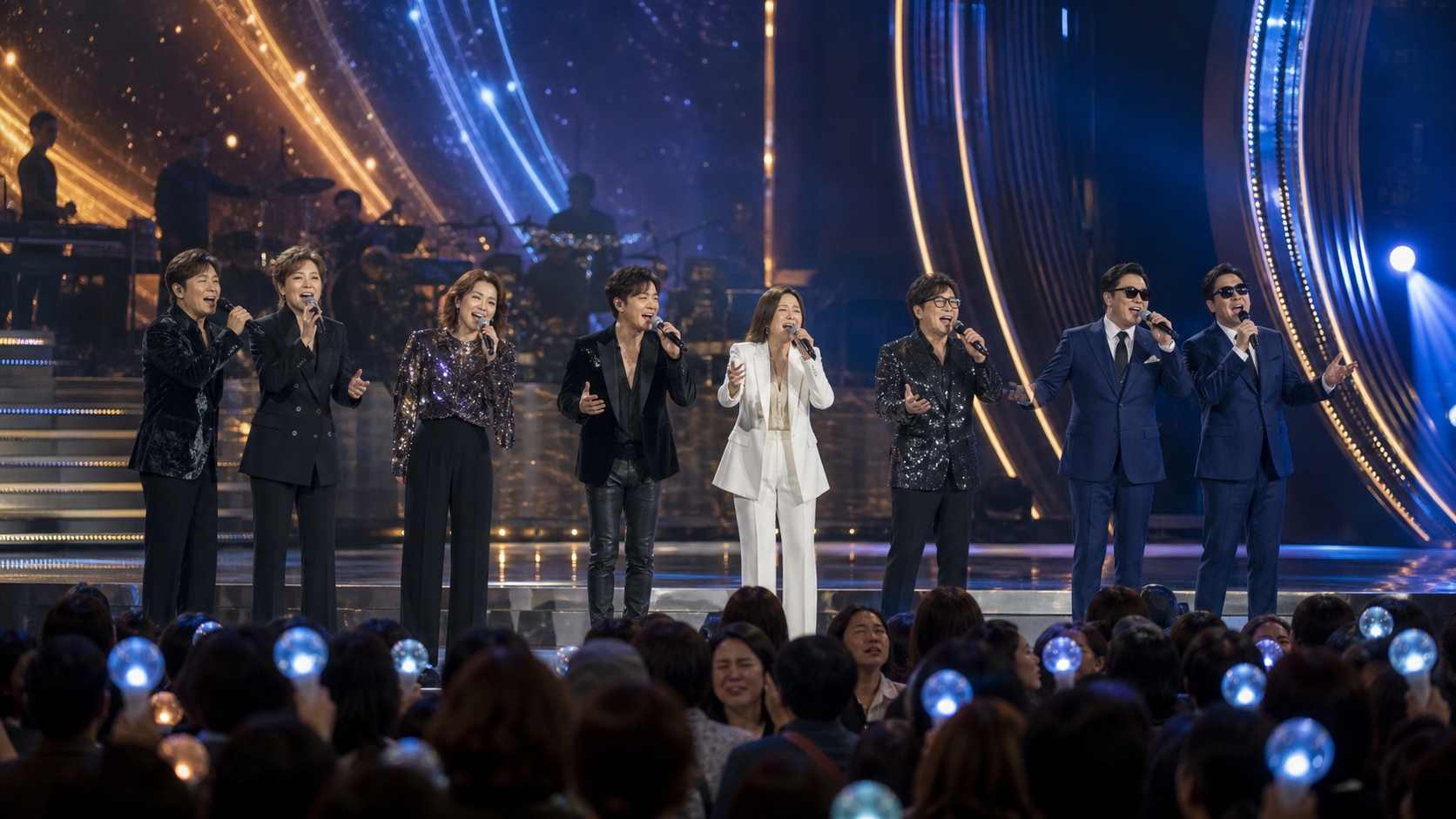
Fly to the Sky’s reunion didn’t stem from a grand industry master plan. It started with the simple act of standing on stage together again. Hwanhee invited Brian as a guest for his 2025 solo concert. After singing together for the first time in a long while, the two began discussing the future of Fly to the Sky. When Brian said he wanted to perform as a team once more, a vague possibility of a reunion started taking shape into a concrete plan.
Hwanhee shared this story directly on the KBS2 show “Mr. House Husband 2,” which aired on September 26, 2026, officially announcing, “Fly to the Sky is making a comeback after eight years.” As he explained on the broadcast, the duo kept talking about resuming their activities after reaffirming their chemistry at the concert. Rather than just exchanging greetings or snapping a commemorative photo, the two singers, who had walked their own paths for so long, rediscovered their team’s potential through an actual performance.
What makes this moment matter is that their meeting didn’t end as a one-off event recreating past hits. Hwanhee and Brian debuted in 1999 and became the definitive names of the Korean R&B duo. They released their 20th-anniversary studio album “Fly High” in 2019, then focused on individual pursuits. This time, a guest performance naturally evolved into a conversation, which then progressed into active preparations for a full team comeback.
First-generation names are returning in their own distinct ways
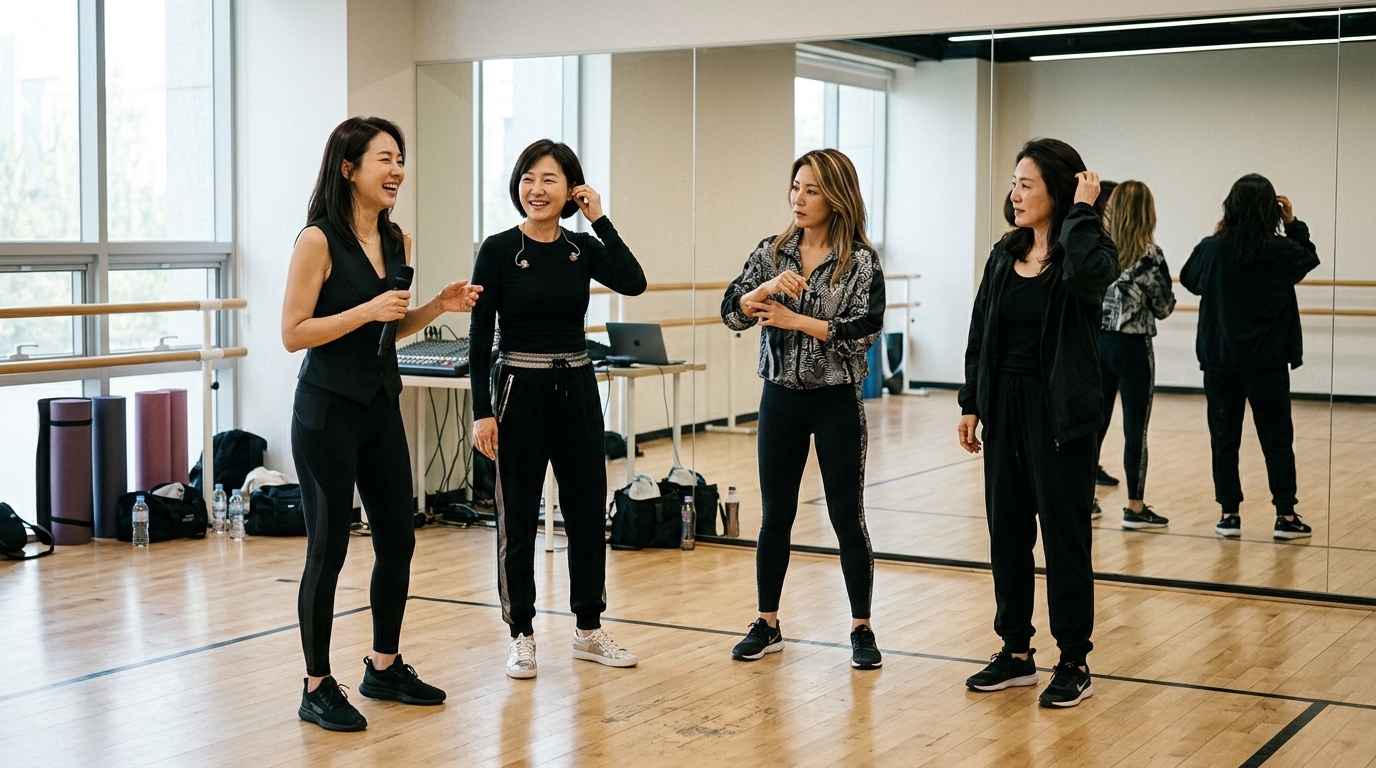
Fly to the Sky’s story takes on deeper meaning when viewed alongside other recent comeback news. The first-generation singers who led the Korean popular music market from the late 1990s to the early 2000s are resuming both group and solo activities. All four members of Fin.K.L, Lee Hyori, Ock Joo-hyun, Lee Jin, and Sung Yu-ri, have agreed to reunite as a full group and are now deep into preparations.
This is the first time in 21 years, since their 2005 digital single “Forever Fin.K.L,” that the group is gearing up for sustained activities under their team name. Fin.K.L previously reunited through the 2019 JTBC variety show “Camping Club” and released a new track, “Like the Song That Remains.” But that reunion felt more like a special project. The focus was heavily on the fact that all four members had gathered in one place after a long hiatus, rather than serving as a springboard for ongoing team promotions.
This time, they are aiming for more than a fleeting reunion, planning to roll out new music and performances one after another. The specifics are still being worked out, but the starting point leans heavily toward “actively promoting again” rather than merely “gathering together once more.” Even if the same four people appear under the same team name, a special broadcast carries a very different weight than a long-term commitment. One is a space to revisit shared memories. The other is the work of building new moments on top of that foundation.
Son Ho-young bridges group and solo timelines at the same time
Son Ho-young of god also shows how a first-generation singer can sustain a long career. To mark his 20th anniversary as a solo artist, he is releasing a new digital single, “Go Around,” on October 14. This track arrives exactly two decades after his first solo studio album, “Yes,” launched his independent journey in 2006. It is also his first solo release in about five years since “In the Passing Time,” which came out in March 2021.
A 20th anniversary is typically an ideal moment for reflecting on past achievements or performing classic hits. Son Ho-young instead tied this moment directly to a new digital single and a concert. He shifted the focus away from pure retrospection and into current musical work. A veteran singer is treating his anniversary less as a marker of finished history and more as a launchpad for his next chapter.
Son Ho-young’s case shows that the return of first-generation singers isn’t strictly about reuniting disbanded or paused groups. He has kept performing at god’s annual concerts while also promoting as a member of HoooW, a vocal duo with Kim Tae-woo. His solo career never replaced his group activities. It added another path on top of them. Group, duo, and solo work sit comfortably together within one artist’s longer musical career.
From a trip down memory lane to a longer resurgence
Fin.K.L, Fly to the Sky, and Son Ho-young are all handling their careers differently. Fin.K.L is gearing up for a full-group return after a long hiatus. Fly to the Sky decided to reunite as a duo following an unplanned guest appearance at a concert. Son Ho-young launched a separate 20th-anniversary solo project while still actively promoting with god. What connects these three cases is a shared push to link their legacy names with present-day activities.
Earlier reunions leaned heavily on television specials or one-off concerts. This current wave looks toward new music, touring, and sustained follow-up promotion. Fin.K.L is planning ongoing activity rather than a one-and-done project, and Fly to the Sky found the spark for a full comeback on stage together. Son Ho-young is likewise expanding his output with new music and live shows for his 20th anniversary. The measure of a successful return is shifting from “did they appear on screen together” to “will they keep creating something new.”
That shift matters because it keeps first-generation singers from being treated purely as objects of nostalgia. A familiar team name and beloved hits can draw initial attention to a comeback. But holding that attention after a long break requires artists to show their current voice, how their dynamic has changed, and where their music is heading now. Past fame can open the door; what keeps people inside is new songs and new stages.
The fandom’s timeline has grown alongside the artists
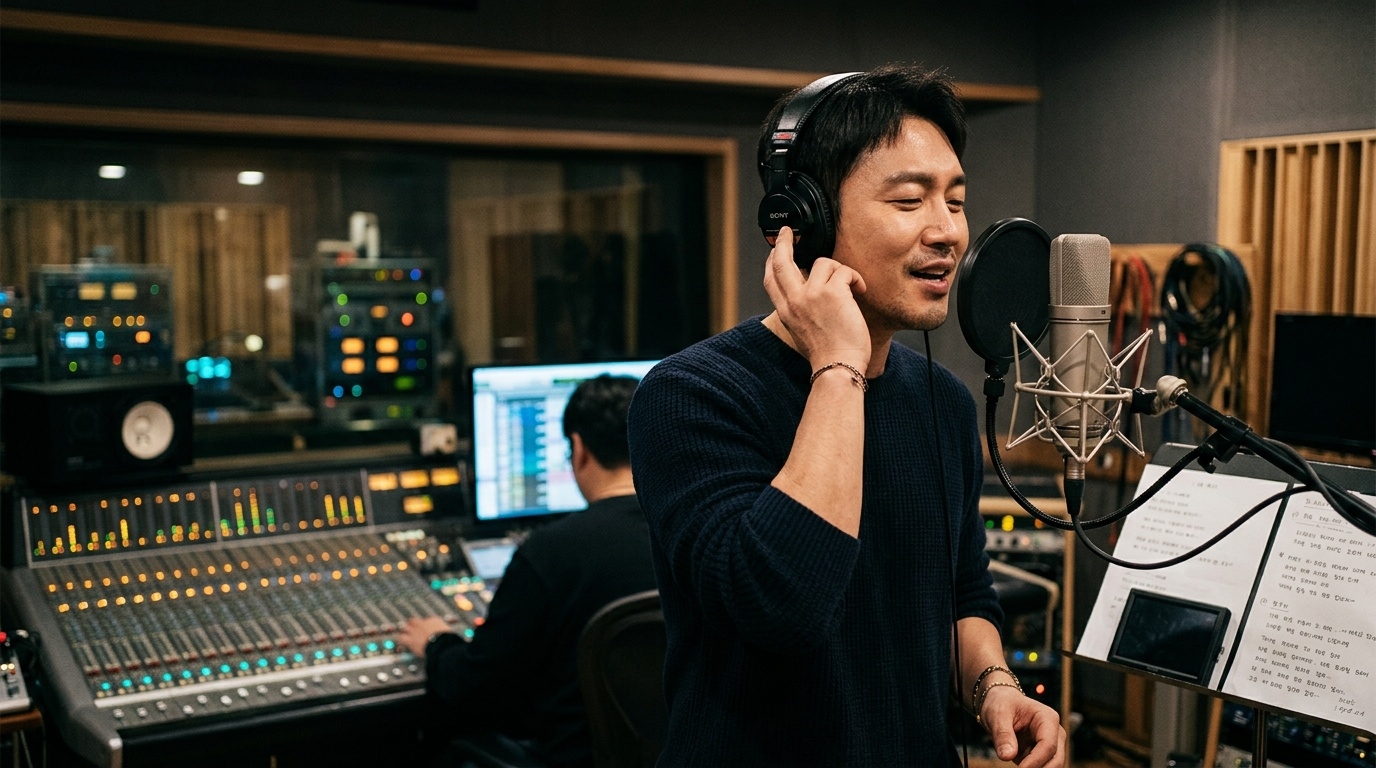
These first-generation comebacks rest on fans who have stayed with the artists since their debut. These listeners have followed the groups through formation, peak years, solo work, and long gaps between activity. For a fan who watched Fin.K.L’s 2005 single, their 2019 reunion, and now their 2026 comeback preparations, these aren’t separate, isolated events. They read as one continuous story of a team moving through pauses and reunions.
The same is true for Fly to the Sky. The two artists went their separate ways after their 20th-anniversary album in 2019, then sang together again at a concert and turned that experience into a formal comeback. Fans are no longer just listening to a finished past on repeat. They add meaning to the comeback by having watched the time the members spent apart and the process of reconnecting. The long hiatus itself becomes part of the shared story between artist and fan.
At the same time, listeners who didn’t experience these artists’ original run in real time can still discover first-generation music through variety shows, streaming platforms, and online clips. For original fans, Fin.K.L and Fly to the Sky carry memories of youth. For newer listeners, they are an accessible entry point into an earlier era of Korean pop. Because how a team is remembered is no longer tied to one age group, a comeback can serve both the nostalgia of longtime fans and the curiosity of new listeners at once.
K-pop’s legacy is being put back to work, not just preserved
As K-pop keeps expanding globally, attention naturally gravitates toward the newest groups and the latest record-breaking numbers. But the earlier generations who built fandom culture and group dynamics long before the current industry took shape are part of the backdrop that makes today’s K-pop make sense. The resurgence of first-generation artists shows that modern K-pop didn’t appear out of nowhere. It was built on several generations of music and fan culture before it.
From an industry standpoint, there’s real value in artists coming back with established names, proven hit songs, and a long shared history. Using so-called legacy intellectual property means more than repackaging old tracks or putting a retro logo on merchandise. When members adjust how they work together under today’s conditions to make new music and shows, their past work becomes a foundation for new activity rather than a museum piece. Familiarity gets people’s attention; new output is what keeps them engaged.
Still, a legacy name alone doesn’t guarantee success. Fin.K.L has to show, through actual results, the difference between their special 2019 reunion and this new, ongoing commitment. Fly to the Sky needs to blend the years each member spent apart into one cohesive sound as a duo. For Son Ho-young, the number 20 matters less than how his new song and shows land with today’s listeners. What proves a legacy’s value isn’t a perfectly preserved past but an actively working present.
What sparked the reunion was, in the end, sharing a stage again
These three cases show that the return of first-generation K-pop doesn’t follow one single formula. Some teams spend a long time preparing for a full-group comeback through careful discussion. Others stumble into their next chapter through what starts as a simple guest appearance. Another artist opens a new solo chapter while still keeping up their group commitments. Returning, in each case, isn’t about going back in time. It’s a choice to reconnect a paused or separated career with the present.
That pattern leads back to the scene of Brian guesting at Hwanhee’s concert. The two didn’t walk on stage with a full comeback plan already worked out. They tested whether they could still perform as a team through the experience of singing together, and that experience led naturally to a conversation, and then to their reunion. What ended the long hiatus wasn’t leaning on fans’ memories of old hits. It was the plain fact that the two singers can still harmonize together today.
Fin.K.L’s preparations for ongoing full-group activity and Son Ho-young’s 20th-anniversary release raise the same question. What matters going forward isn’t that a familiar name has returned, but what kind of present they build under that name. This latest wave of first-generation K-pop returns is moving away from repeated trips down memory lane and toward new music and staying power. Whether the long stretch of time shared by fans and artists can carry over into the next stage will depend on the new music they actually bring.
Source: Newsis, September 21, 2026; Sports Chosun, September 26, 2026; Sports Donga, September 29 & October 1, 2026.


