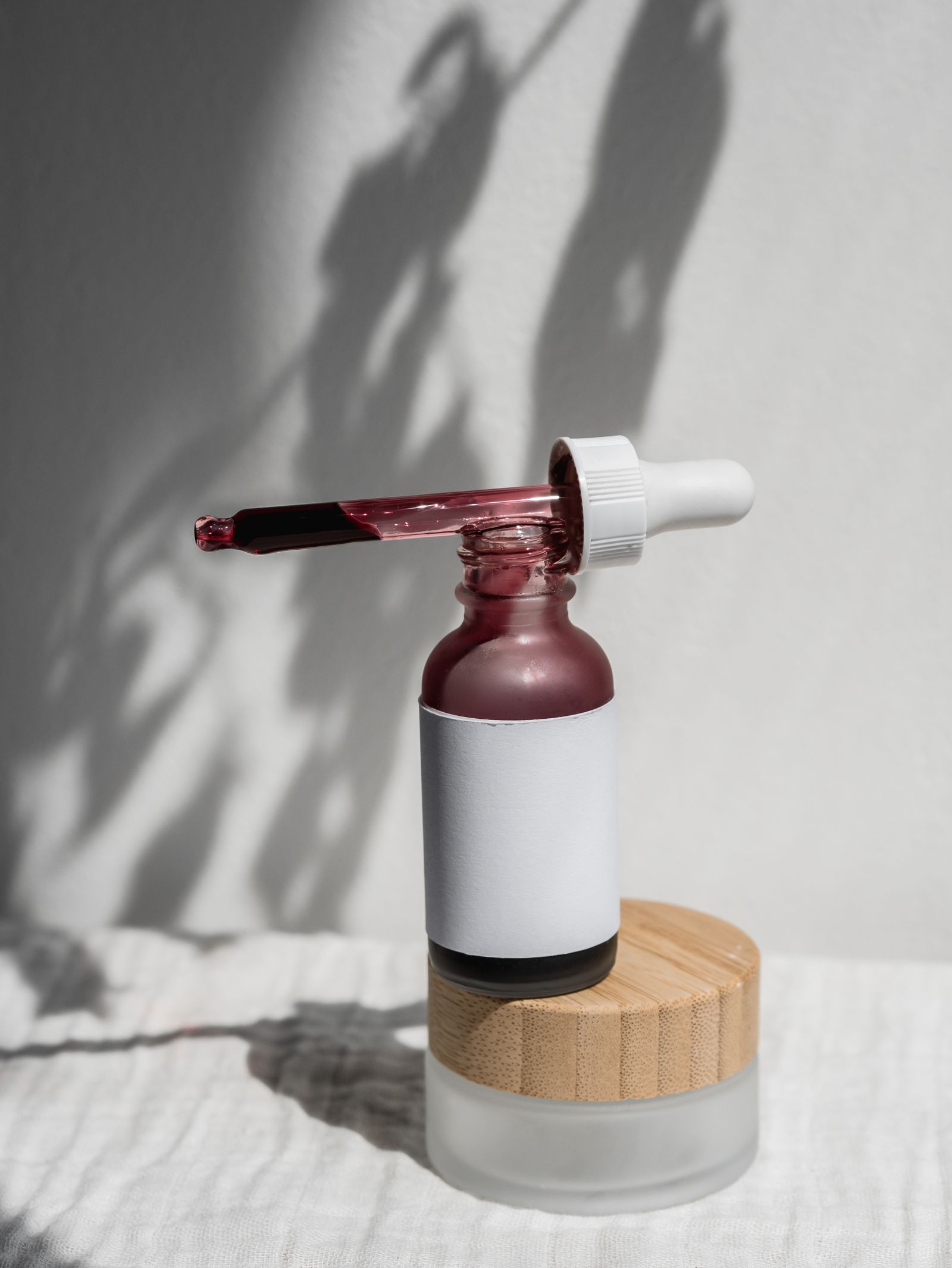
Korean skincare’s 2026 ingredient conversation has shifted decisively toward what industry trend reports are calling “펩타이드 3.0” (Peptide 3.0) — a next-generation approach to peptide formulation that moves beyond earlier generations’ primary focus on melanin-suppression and brightening toward broader cellular-signaling strategies aimed at deeper, more systemic skin-function improvements.
Industry forecasts describe premium Korean cosmetics competition shifting away from simple concentration claims — the once-common marketing emphasis on listing higher percentage figures for a given active ingredient — toward what trend analysts describe as “design structure” competition, where how an ingredient is formulated, stabilized, and delivered into skin matters more to differentiation than the raw percentage disclosed on packaging.
This formulation-sophistication shift connects to a broader rise in what the industry calls “ingredient literacy” among Korean consumers, who trend reports describe as increasingly seeking scientifically substantiated safety and efficacy claims rather than simply relying on products marketed around vague “gentle” or “mild” positioning — a more skeptical, research-driven purchasing mindset that has pushed brands toward publishing more detailed clinical and formulation information.
Alongside peptide innovation, Korean skincare brands have increasingly emphasized skin-barrier support, microbiome-friendly formulation, and antimicrobial functional-calming ingredients as core 2026 trend pillars — reflecting broader consumer interest in skin health as an ecosystem to be maintained and protected rather than a surface to be aggressively treated with high-potency actives alone.
The formulation-sophistication push has coincided with Korean cosmetics companies increasingly incorporating biotechnology directly into product development pipelines, treating advanced ingredient science as a core competitive differentiator in an increasingly crowded global K-beauty export market where formula innovation has become one of the clearest ways for brands to justify premium pricing against lower-cost competitors.
Source: Hwahae Business and Korean cosmetics-industry 2026 trend reports on “펩타이드 3.0” and ingredient-literacy consumer trends, 2026.