
Table of Contents
The exhibition floor had more ‘problem-solving approaches’ than products
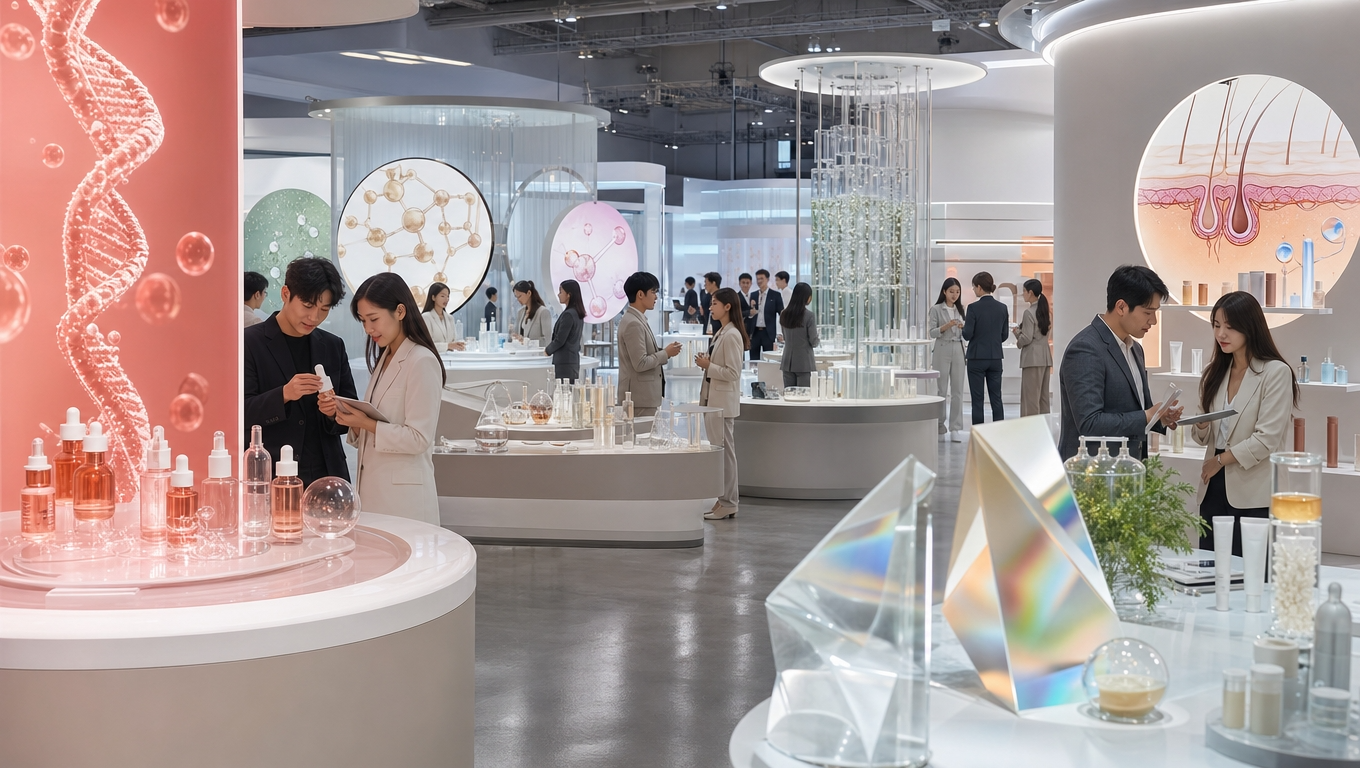
CosmoBeauty Seoul 2026 was a professional beauty industry trade show held at COEX in Seoul. This event isn’t just a place to show off new products you can buy right away; it’s closer to a venue where brands, raw material suppliers, manufacturers, and distributors read the next season’s market. So instead of taking the keywords you see on the floor straight as a ‘must-buy product list,’ it’s better to look at what problems the Korean beauty industry is trying to solve.
This year, the words that came up repeatedly were PDRN, peptides, fermentation, barrier, multi-functional UV protection, scalp care, and sustainable packaging. Some of these are already familiar ingredients, and others are new combinations in formulation and delivery technology. Innovation doesn’t always come from entirely new substances. It can also mean delivering a known ingredient more stably, reducing the number of steps in a routine, or changing the formulation to target a specific skin concern.
First to third: PDRN, peptides, and fermentation
First is PDRN. The long name—polydeoxyribonucleotide—makes it sound complicated, but it’s a group of ingredients often used in products that emphasize skin condition and recovery. Salmon-derived PDRN is widely known, but products claiming plant-derived or non-animal alternative sources are also increasing. But don’t misunderstand: PDRN in cosmetics doesn’t have the same effect as medical procedures. Cosmetics are products for managing skin condition, not treatments.
Second is peptides. Peptides are short chains of amino acids, but the type and purpose vary by product. They’re introduced with terms like firmness, moisturizing, or skin conditioning, but just because the names are similar doesn’t mean the performance is the same. As a consumer, it’s better to look at the overall formulation, texture, and whether it might irritate your skin, rather than just the word ‘peptide.’
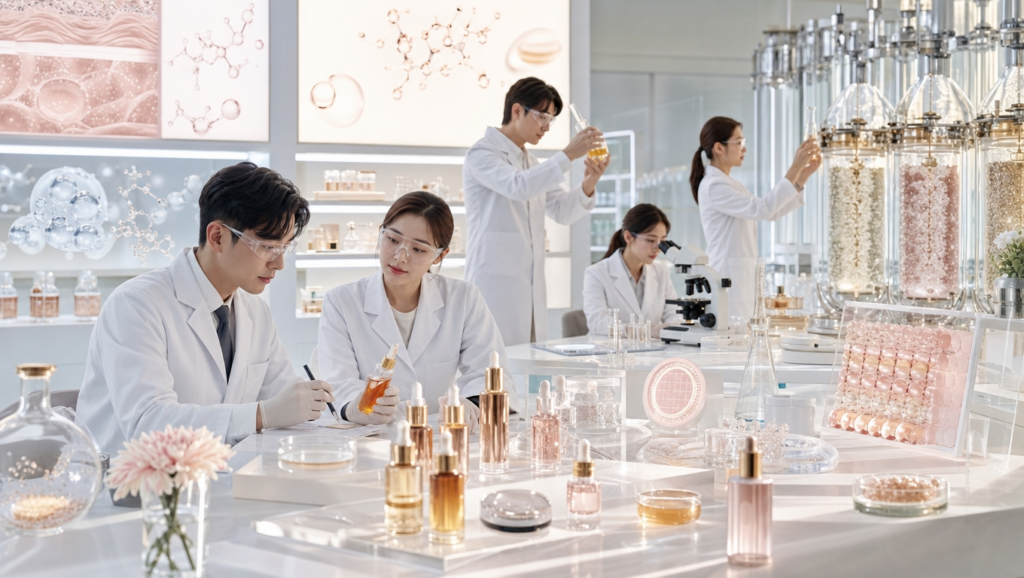
Third is fermented ingredients. Fermentation involves transforming raw materials using microorganisms. Brands often explain that fermentation improves the texture or absorption of ingredients. But the word ‘fermentation’ doesn’t automatically guarantee gentleness or high efficacy. If you have sensitive skin, it’s safer to do a patch test when trying a new product.
Fourth to sixth: Barrier, sun care, and hybrid formulations
Fourth is skin barrier care. Ingredients like ceramides, panthenol, and squalane that focus on moisture retention and skin protection are already familiar, but in 2026, more products are using these alongside high-functioning ingredients. For example, formulating retinol or vitamin C products with moisturizing ingredients to reduce dryness.
Fifth is multi-functional sun care. Products combining UV protection with moisturizing, tone correction, or makeup base functions are growing. Useful for busy mornings, but you don’t need to think one product can replace every step. Applying enough and reapplying when needed is more important for UV protection.
Sixth is hybrid formulations. These are products that feel light like a serum but give the moisturizing feel of a cream, or color cosmetics that also emphasize skincare ingredients. They can be convenient if you want to reduce the number of items in your bag. On the other hand, if you have a specific skin concern, separate products with dedicated functions might suit you better.
Seventh to ninth: Scalp, body, and sustainability
Seventh is scalp care. As the perception that ‘the scalp is skin too’ spreads, toners, serums, and exfoliating products beyond just shampoo are diversifying. But if you have persistent scalp issues or hair loss, consider medical consultation first rather than constantly switching cosmetics.
Eighth is high-functioning body care. Body lotions used to be mostly about fragrance and moisturizing, but now language from facial skincare—like exfoliation, firmness, and pigmentation—is entering body products. For thicker skin areas like arms and legs, dedicated body products might be more economical than using facial products.
Ninth is sustainable packaging. Refillable containers, single-material packaging, and recycled plastic are important changes. But just because packaging has eco-friendly claims doesn’t mean every process is sustainable. Check if you can actually buy refills, and if the container is easy to separate for recycling.
Tenth: ‘The choice that’s right for you’
The tenth innovation is the least flashy but the most important: personalization. The ability to choose different products based on your skin type, climate, lifestyle, and budget. The new technologies on the exhibition floor are interesting, but not every new product needs a spot on your vanity.
When choosing a product, check three things. First, write down what concern you’re trying to solve. Second, see if it overlaps with the ingredients in products you already use. Third, decide if you can afford it and tolerate the texture for at least two weeks. The word ‘innovation’ is less important than whether your skin feels comfortable. Especially if you have sensitive skin, don’t introduce several new products at once—try them one at a time.
Sources: COSMOBEAUTY SEOUL, 2026 exhibition guide, 2026; Premium Beauty News, “K-beauty: top 10 innovative launches spotted at Cosmobeauty Seoul 2026”, 2026; COEX, 2026 event information.