
Table of Contents
The Rise of Traveling to Korea Without Passing Through Incheon
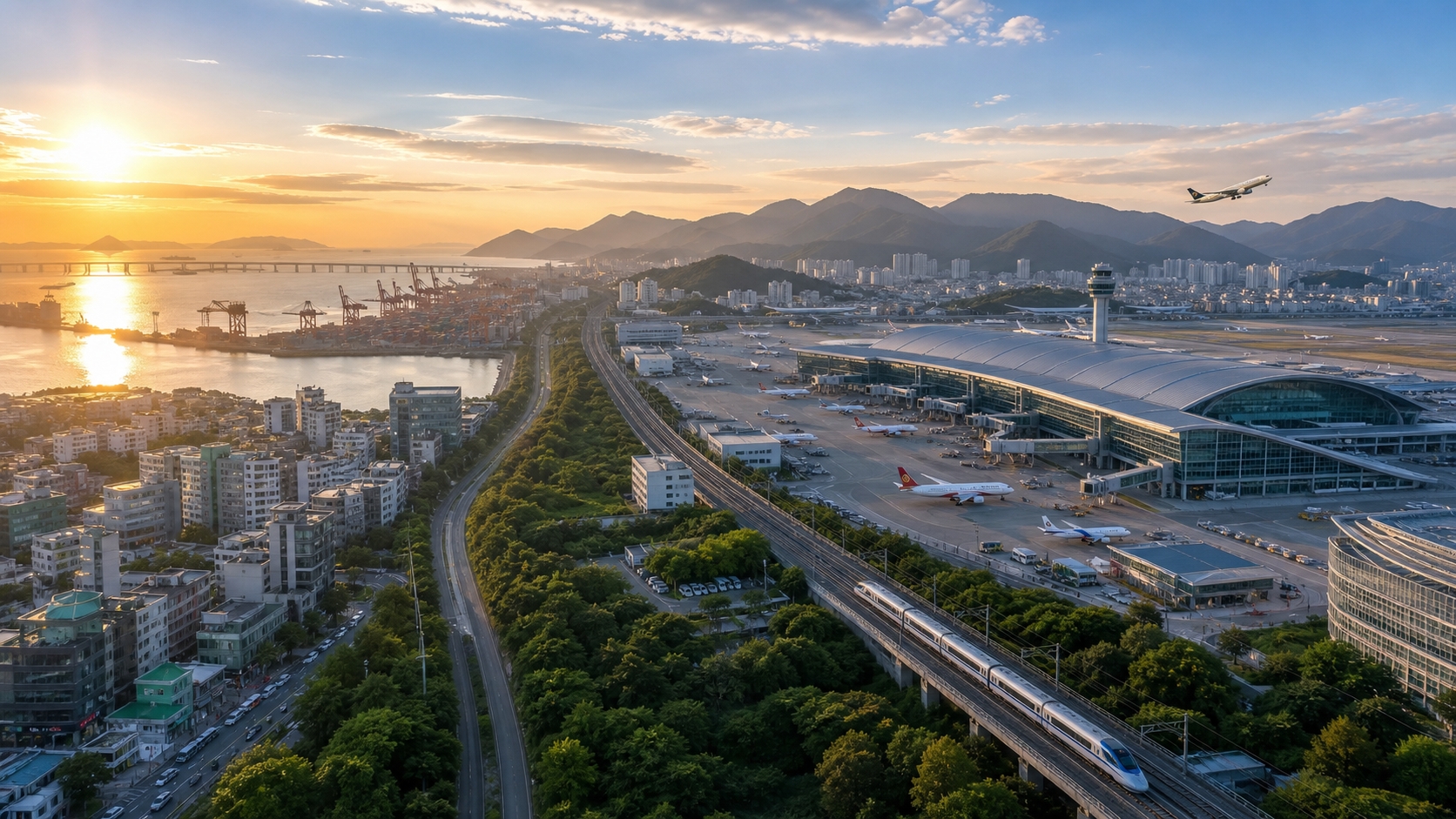
For a long time, Incheon International Airport was the undisputed first stop for foreigners visiting Korea. However, recent arrival data reveals a shifting landscape where travelers are no longer funneling through a single gateway. In the first half of this year, 20.7% of international visitors entered the country through regional airports like Cheongju, Daegu, and Gimhae. That translates to roughly one in five tourists.
This shift goes beyond merely picking a different airport. Arriving at a regional hub means travelers are likely bypassing the traditional route of starting in Seoul before venturing elsewhere. From the moment they land, they are far more likely to dive straight into the local accommodations, transit systems, and cultural offerings of places like Busan and the southern provinces, or Cheongju and Daegu.
The Korea Tourism Organization (KTO) analyzed this very trend from a local tourism perspective during its second “Current Trends in Korea Tourism Data Seminar,” held at The Plaza Seoul on August 27. With around 500 attendees—including representatives from local governments, the tourism industry, and academia—regional airports were highlighted as vital new gateways seamlessly dispersing international visitors across the country.
A Surge in Total Visitors Spills Over to Regional Airports
KTO Acting President Park Seong-hyeok noted that 12.8 million foreigners visited Korea by July of this year, a 21.3% increase compared to the same period last year. As total inbound traffic swells, the share of travelers utilizing regional airports has comfortably crossed the 20% mark. This clearly indicates that the recovery and growth of tourism are no longer confined to arrivals through Seoul or Incheon.
Looking at separate regional airport data, 1.57 million foreign nationals entered through five hubs—Cheongju, Jeju, Daegu, Gimhae, and Yangyang—between January and May of this year. According to the Korea Airports Corporation, this represents a 42% jump from the same timeframe last year. While these figures cover a slightly different period and specific set of airports than the broader 20.7% first-half statistic, they paint the same picture of rapid regional growth.
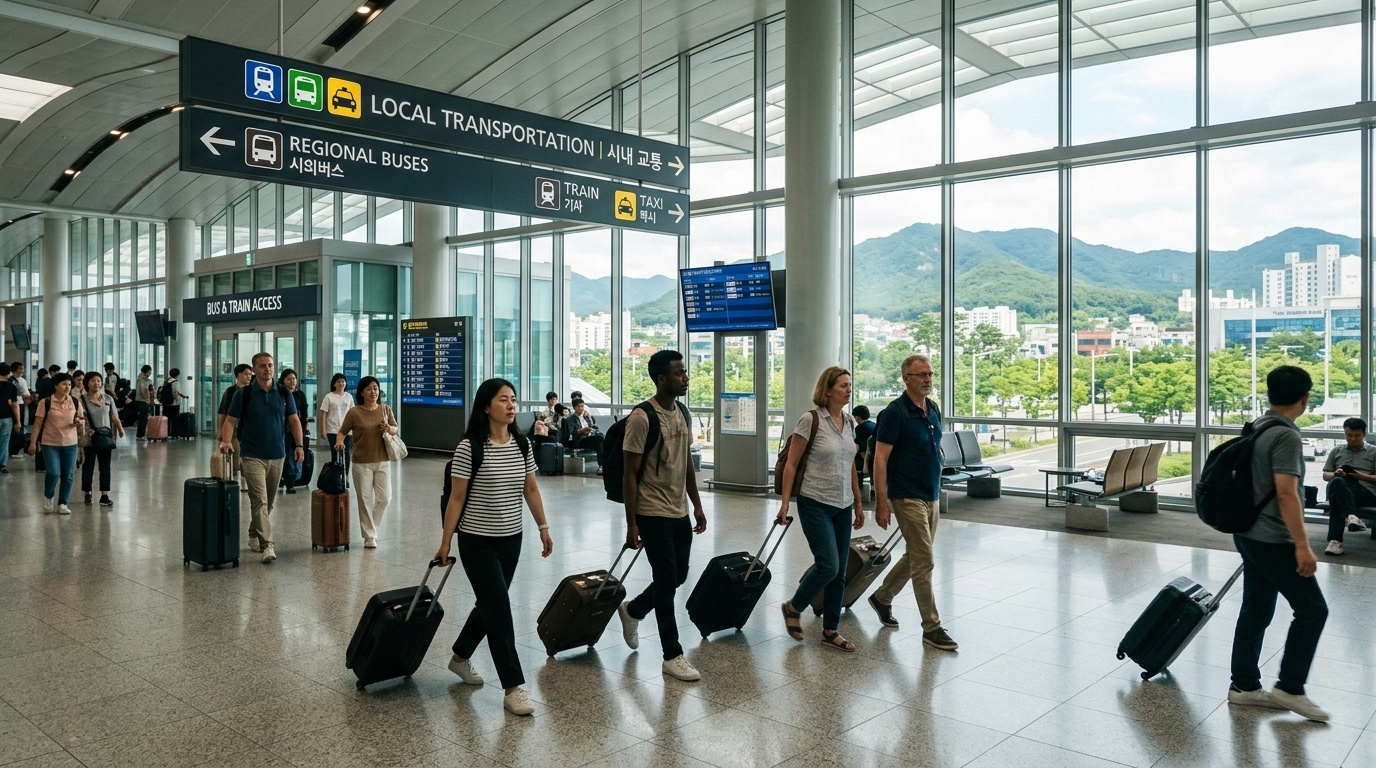
Regional airports currently operate 98 international routes, managing 2,874 international flights weekly. The options for overseas travelers to fly directly into local provinces are steadily expanding. Thanks to expanded low-cost carrier routes and a sudden influx of Taiwanese tourists, Cheongju International Airport saw its foreign arrivals skyrocket by 109.1% in the first half of this year compared to the same period last year.
Discovering the Potential of Southern Tourism Through Taiwan
The seminar spotlighted the Taiwanese market as a textbook success story in linking regional airports with local tourism. The KTO’s Taipei office recently expanded its marketing scope from focusing solely on Busan to highlighting the entire southern region. Rather than pushing a single popular destination, they pitched the surrounding areas as a cohesive, single travel zone.
As a result, Taiwanese arrivals via Gimhae International Airport surged by 157.5% in 2025 compared to 2023. This success stems from a strategy that didn’t just treat landing at Gimhae as the end goal, but thoughtfully curated the regions and experiences travelers would engage with post-arrival. For regional airports to generate tangible tourism demand, they need concrete, seamless itineraries waiting outside the terminal doors.
Last year, seven local governments in the southern region joined forces under the banner of “Year of Southern Tourism” to develop 360 specialized travel packages. This collaborative effort successfully drew in 70,000 tourists. Rather than each city fiercely competing for overseas visitors, they bundled their regions into a unified travel zone and utilized their local airports as the natural starting point for the journey.
Collaborative Efforts for Cheongju and Daegu
In April of this year, the KTO formed a massive task force involving 29 different departments, primarily targeting Cheongju and Daegu airports. It operates on a holistic system where developing tourism content, attracting airline routes, and upgrading infrastructure are not handled in isolation, but pushed forward simultaneously by multiple teams.
Even with an influx of flights, travelers will simply transit through if there isn’t enough local content to keep them engaged upon arrival. Conversely, the most charming local attractions remain out of reach to international visitors if flight connections and transport infrastructure are lacking. The task force integrated these various departments precisely because all these moving parts must synchronize to succeed.
The strategy for regional airports isn’t about replacing Incheon; it is about widening the funnel for inbound tourism demand. When travelers fly directly into an airport closer to their final destination, they save the time and hassle of navigating down from Seoul. In turn, local regions get the golden opportunity to capture those crucial first nights of accommodation and initial spending.
How Concerts and K-Dramas Drive Overnight Stays
Simply landing tourists at a regional airport doesn’t automatically equate to local tourism success. A subsequent session at the seminar explored recent accommodation trends, noting that the domestic lodging market has grown steadily over the past three years, largely fueled by international demand. To truly gauge whether arrivals translate into actual regional stays, airport usage and lodging demand must be analyzed hand-in-hand.
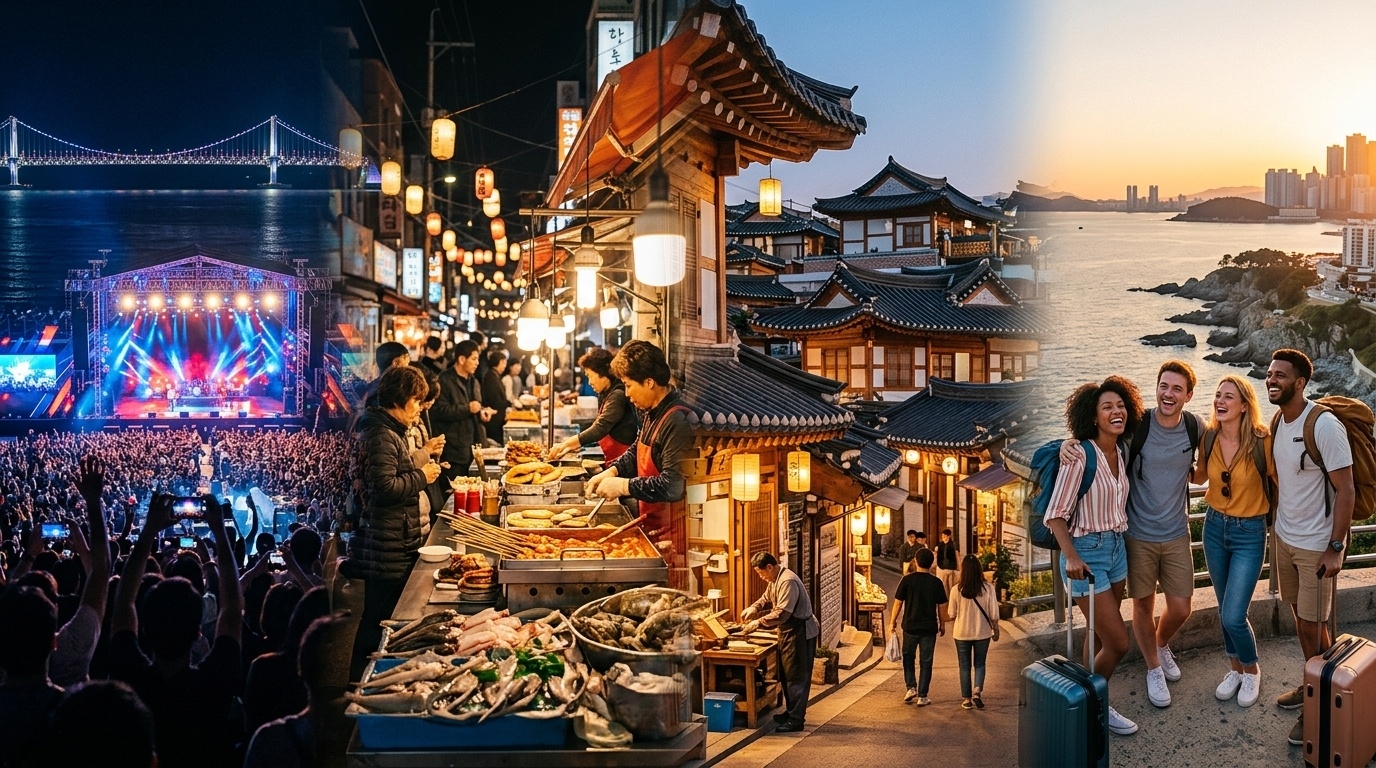
The analysis identified performances and events—such as concerts and sports matches—as the primary catalysts for overnight stays. The pattern is clear: tourists visit a specific region for an event and naturally book at least a one-night stay around that schedule. By thoughtfully aligning regional flight routes with the local event calendar, a simple bump in arrivals can easily be converted into meaningful lodging and local spending.
A special session featuring Studio Dragon shared innovative strategies linking K-dramas to regional tourism demand. The approach focuses on transforming international viewers who discover a beautiful locale on screen into actual visitors. While airline routes provide the physical accessibility, K-content provides the emotional reason for a traveler to choose that specific region as their destination.
The Next Steps After Reaching One in Five
Acting President Park assessed that new touchpoints like regional airports, local communities, and K-content are successfully translating into tangible demand. He emphasized a commitment to accurately interpreting on-the-ground feedback through data to find solutions that offer genuine help to local areas. While the 20.7% regional arrival rate highlights the strong potential for geographical dispersion, this ripple effect won’t automatically spread everywhere on its own.
The task ahead is connecting this influx of arrivals to longer stays and multi-region visits. Just like the 360 curated packages developed for Taiwanese tourists, flight routes, inter-regional cooperation, and highly purchasable travel products need to be bundled together. Blending accommodations with concerts, sports events, and K-drama locations remains a powerful tool to extend the time visitors spend outside the capital.
The KTO plans to host its third seminar in November, turning the spotlight to the medical tourism market linked with K-beauty and wellness. Whether the number of foreigners utilizing regional airports will continue to climb, and whether they will linger longer in local areas without passing through Seoul, will be revealed in the next wave of data. For now, one clear transformation is already underway: the gateway to exploring Korea is widening from a single entry point in Incheon to multiple regional hubs across the country.
Sources: Star News, August 27, 2026; Asia Economy & News1, August 28, 2026; The Korea Times, August 27, 2026; Travel And Tour World, August 24, 2026.