Table of Contents
Behind Every Pack of Ramen, a Factory Is Moving
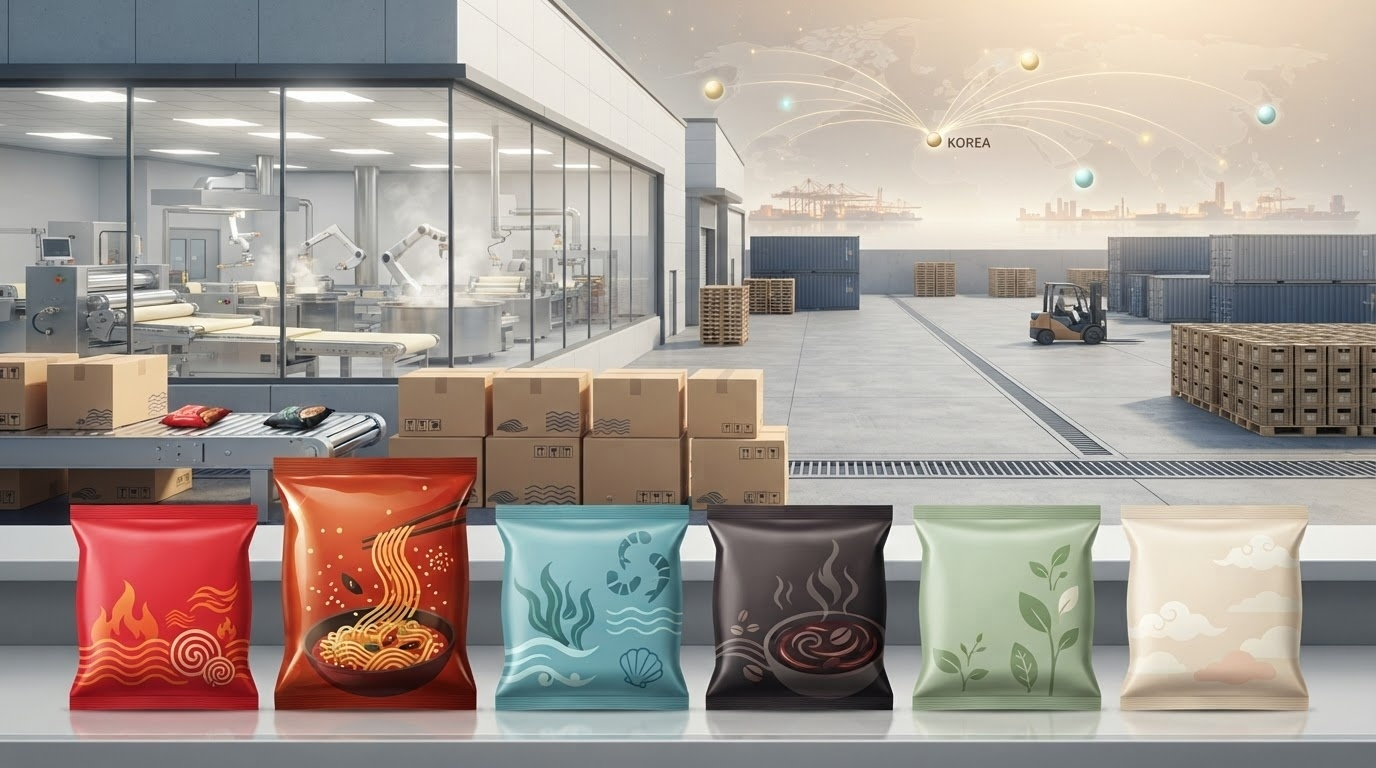
Standing in front of the ramen aisle at a Korean convenience store, I always freeze for a second—there’s just too much. Spicy soup, stir-fried noodles, cup ramen, even vegan options. Different colors, different flavors, all fighting for your attention. But lately, the K-ramen story is playing out way beyond those shelves. Ottogi just announced it’s sinking 200 billion won into a dedicated export factory in Gumi, Gyeongsangbuk-do, from 2026 to 2029.
At first, 200 billion won for a ramen factory sounds like a lot—and it is. There was some confusion early on when people thought it was 20 billion won, but official reports confirm it’s 200 billion. The new facility will go up in the Gumi Second National Industrial Complex, and it’s expected to create about 120 jobs. Why drop that kind of cash on a food item that costs pocket change per pack? Because global demand has outgrown the hype phase—it’s now big enough to reshape how the stuff gets made.
Ramen Exports Have Already Blown Past ‘Record’ Territory
Korean ramen exports hit a new high in 2025, jumping 21.9% from the year before and crossing the $1.5 billion mark for the first time as a single product category. On the surface, it looks like one spicy noodle brand’s victory lap. And yeah, the super-spicy stuff has gone viral on social media and challenge culture—no doubt. But the steady climb in exports can’t be pinned on one brand alone.
International consumers don’t see Korean ramen as just “that crazy spicy novelty food” anymore. The options have exploded: cheese, jajang, seafood, gomtang, bibimmyeon—you name it. And K-dramas and variety shows have made convenience store meals look totally normal. Ramen’s become part of everyday Korean life in their eyes. People are watching videos of how to cook it, then wrap it up with kimbap or samgak kimbap, toss in an egg or green onion. One product turned into a whole meal experience.
But none of this means the export boom is guaranteed forever. Overseas markets are a moving target: shipping costs, local food regulations, exchange rates, competition, even spicy fatigue. So for companies, the real game isn’t just selling a ton right now—it’s being able to produce steadily and ship on time. That Gumi factory investment? It’s basically prep for that next chapter.
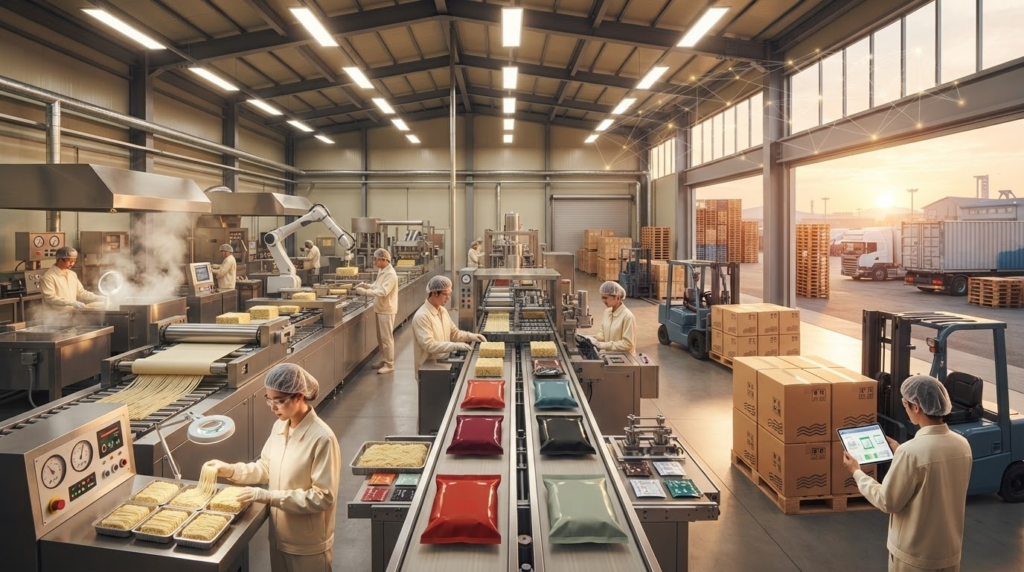
An Export Factory Is About Consistency, Not Just Flavor
Ramen might look simple, but making it is surprisingly precise. The noodle texture, the soup aroma, the shelf life, the packaging—all have to hit the same notes every time for people to buy again. Exporting makes it even trickier. Quality has to hold up during long shipping hauls, and you’ve got to match each country’s ingredient labeling and food safety rules.
It’s great when someone overseas tries Korean ramen for the first time and thinks, “This is good.” But what really matters is whether they buy it again months later and get the exact same taste. A viral clip can spark interest, but repeat purchases depend on trust. A dedicated export facility is all about locking in that consistency and scaling up to meet growing orders without dropping the ball.
Gumi isn’t a random pick—it’s an industrial hub with solid transport links. This isn’t just about noodle production; it’s about the whole supply chain: raw materials, packaging, logistics, ports, airports. When you order ramen on an app and get it a few days later, there’s a long chain of factories, warehouses, containers, and customs behind that one pack. The journey from a Korean factory to an overseas supermarket shelf is longer than you’d think.
Spice Alone Doesn’t Have Staying Power
Can’t talk K-ramen without mentioning the fire-breathing stuff like Buldak. The spicy challenge is pure gold for short videos—one person’s face says it all. But that same heat can be a barrier. Some people try it once and never come back because it’s too intense. And for family meals, milder flavors often win out.
That’s why the real key in export markets is variety. Not just spicy stir-fried noodles, but soup noodles, plant-based options, low-sodium versions, products tailored to local tastes. Ottogi’s big bet only makes sense if it helps them flexibly handle all these different demands—not just crank out more of the same.
In Korea, ramen is that late-night hunger fix, the camping stove staple, the go-to on a rainy day. For it to earn that same spot in homes abroad, it has to move past being “that trendy Korean spicy thing.” The real goal is becoming something that naturally lands on the dinner table.
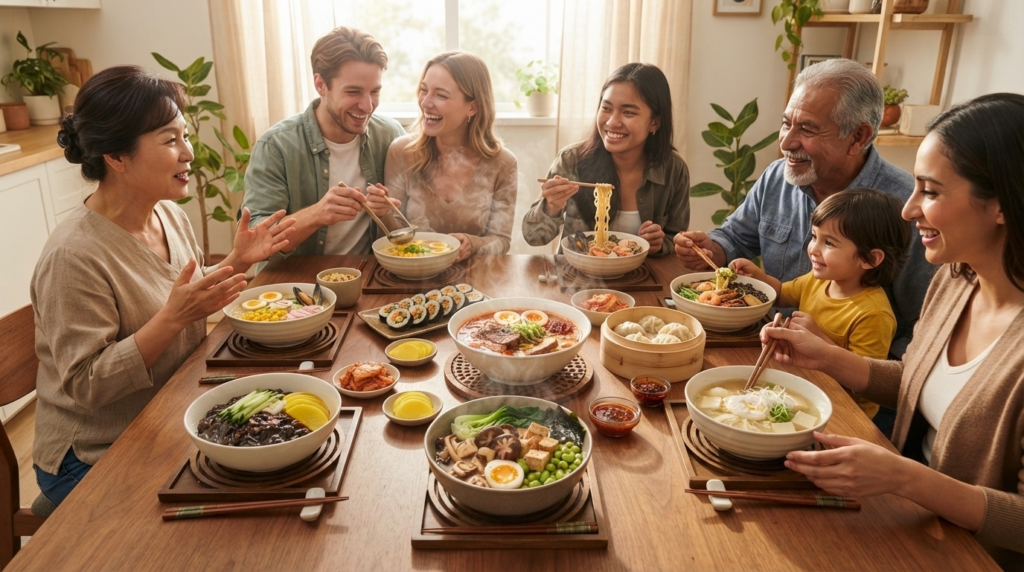
Next Time, Flip the Pack Over and Take a Look
As ramen exports keep climbing, there’s stuff for consumers to check too. If you’re buying Korean ramen overseas, glance at the expiration date, cooking instructions, and allergen info first. Same product can have different labels and languages depending on the country it’s shipped to. Worried about the heat? Try adding only half the seasoning pack first—then toss in an egg, milk, cheese, or veggies to tone it down.
Ottogi’s 200 billion won in Gumi isn’t just a factory opening headline. It’s a signal that Korean ramen has shifted from a fleeting overseas trend to a global food staple that needs reliable supply. Next time you boil a pack, don’t just stare at the noodles and soup—think about where this little packet was made and which country’s table it might end up on. It’s traveled a longer road than you realize.
Sources: Seoul Economic Daily, “Ottogi to Invest 200 Billion Won in Gumi Ramen Export Plant,” July 13, 2026; Maeil Business Newspaper, reports on Gumi ramen exports and investment, July 2026.