
Table of Contents
Two Seoul Restaurants Enter the Top 50 as New York’s Atomix Takes 11th
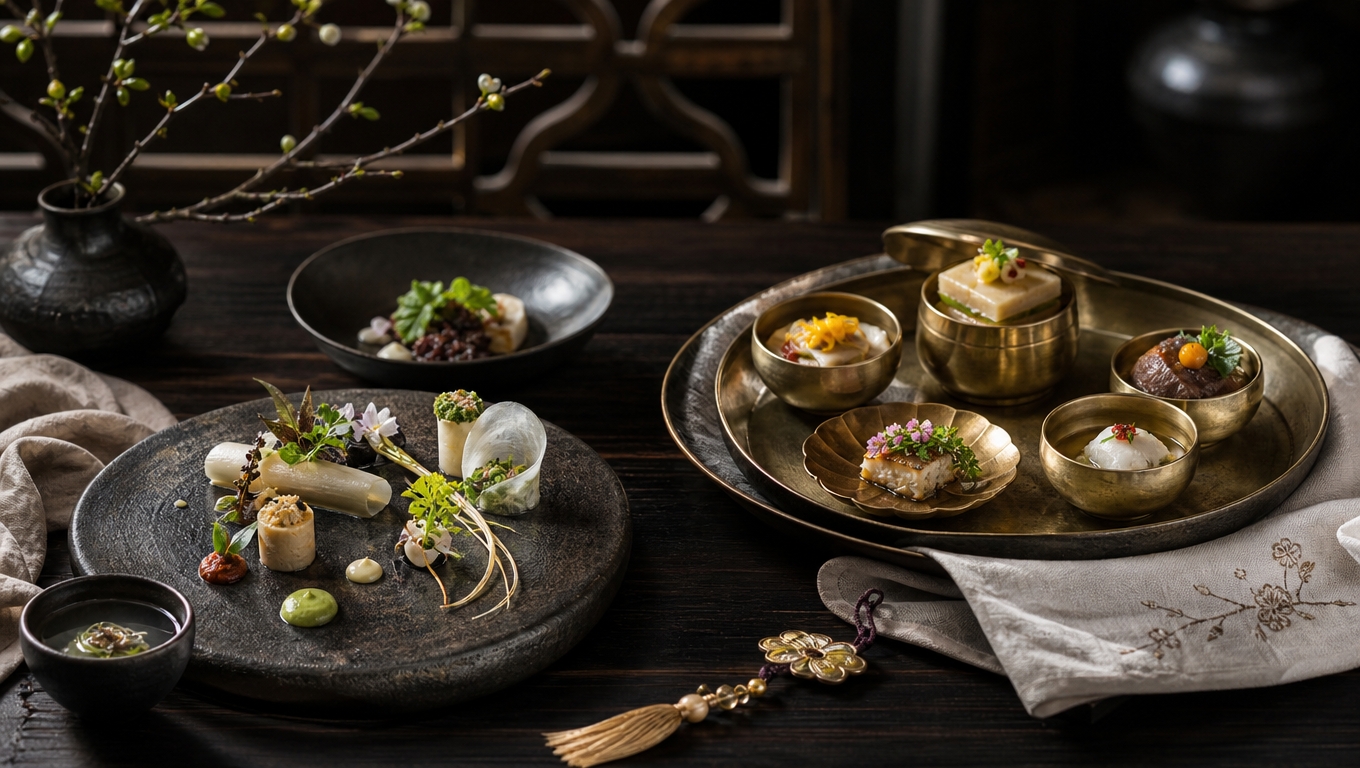
Seoul’s Mingles and Onjium, both Korean restaurants, placed 17th and 41st on The World’s 50 Best Restaurants 2026, and Atomix, a Korean restaurant in New York, came in 11th. The list was announced on November 4, local time, at the Municipal Theatre of Lima in Peru. Mingles moved up from 29th last year and is the highest-ranked restaurant in Korea. Onjium climbed 16 places from 57th to enter the top 50. Two Seoul restaurants made the main list in the same year that a Korean restaurant in New York moved up.
The British magazine Restaurant started the list in 2002. More than 1,100 international dining experts vote, and each voter must have eaten at the restaurants they pick within the past 18 months. The ranking is separate from Michelin stars. This year’s No. 1 was Asador Etxebarri in Atxondo, Spain, led by chef Bittor Arguinzoniz, followed by Gaggan in Bangkok and Alchemist in Copenhagen. The Korean restaurants earned their places in that international field.
Mingles Climbs From 44th to 17th
Chef Kang Min-goo’s Mingles first entered the top 50 at 44th in 2024, then rose to 29th in 2025 and 17th this year, moving higher each year since it joined the list. Opened in April 2014 in Cheongdam-dong in Seoul’s Gangnam district, it is Korea’s only three-Michelin-star restaurant. In March it also placed fourth on Asia’s 50 Best Restaurants, so its rise shows up in both the Asian and global rankings.
The cooking at Mingles reworks Korean ingredients in a modern way. It treats long-familiar ingredients such as acorns and doraji, or bellflower root, in new ways and uses regional and seasonal produce. Traditional jang and vinegars give the dishes their depth; jang are Korea’s fermented sauces and pastes. Rather than simply reproducing familiar dishes, Mingles ties the seasons and the character of each region to new plates.
Onjium Starts From Noble-Household and Royal Court Cooking
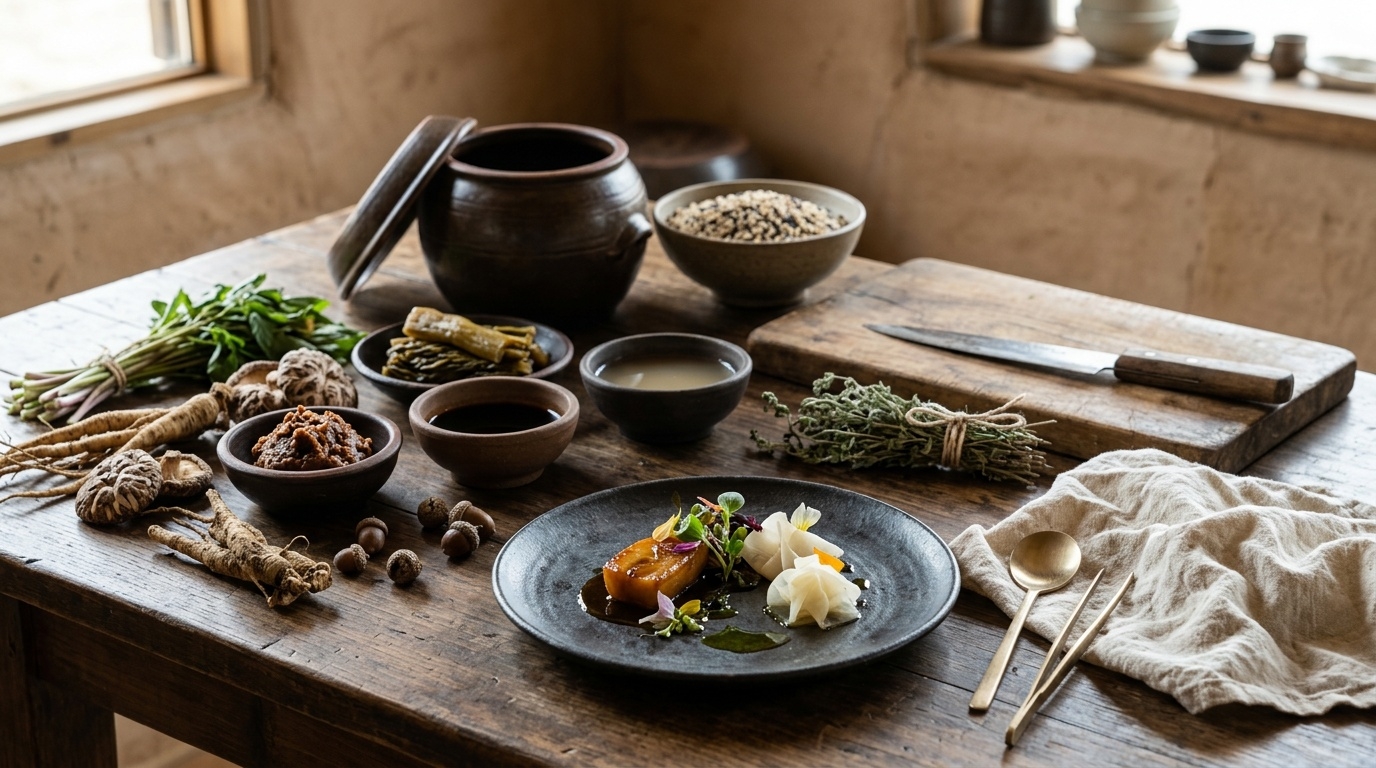
Onjium, near Gyeongbokgung Palace in Seoul’s Jongno district, is a one-Michelin-star restaurant led by chef Cho Eun-hee. It ranked 57th last year, just outside the top 50, and moved up to 41st this year. Cho was also named Asia’s Best Female Chef in March, so recognition for the chef and for the restaurant came in the same year. Together with Mingles, Onjium shows a different way of approaching Korean fine dining in Seoul.
The organizers named the cooking traditions of yangban households, Joseon-era royal court cuisine and seasonal ingredients as the foundation of Onjium’s food. Yangban were the ruling-class families of the Joseon Dynasty, and banga cuisine refers to the food culture passed down in those households. Onjium serves that tradition in a modern form. Where Mingles reinterprets ingredients, Onjium puts traditional recipes and the lineage of Korean food culture first. The two restaurants start from the same Korean base and handle it differently.
Atomix Builds New York Menus on Fermented and Preserved Ingredients
Atomix, which chef Junghyun Park opened in Manhattan’s NoMad neighborhood in 2018, moved up one place from last year to 11th. It holds two Michelin stars and was named The Best Restaurant in North America in 2025. Its cooking is built on the fermented, dried and preserved ingredients of Korean cuisine, with seasonal elements and modern techniques added on top. It is in a different city from the two Seoul restaurants, but it starts from the same Korean ingredients and cooking culture.
Park also received the Estrella Damm Chefs’ Choice Award, an individual honor decided by a vote of fellow chefs. The organizers cited his new vision of Korean cuisine, distinct from both traditional Korean food and New Korean cooking, and the way he has inspired a new generation of chefs. On the extended 51 to 100 list, Seoul’s Eatanic Garden placed 72nd and Mosu 78th. Counting Mingles and Onjium, four restaurants in Korea made this year’s top 100.
Sources: The Korea Herald, November 6, 2026; Yonhap News Agency, November 6, 2026.


