Table of Contents
Gimbap in Seoul Averages 3,923 Won, Up 5.4% Since Last December
A roll of gimbap in Seoul cost an average of 3,923 won in September 2026. According to data from the Korea Consumer Agency’s price information portal, Chamgagyeok, reported by the Shinailbo on November 11, that is 5.4 percent more than the 3,723 won recorded last December. The eight dining-out menu items in the survey rose 2.5 percent on average over the same period, and gimbap posted the largest increase of all of them.
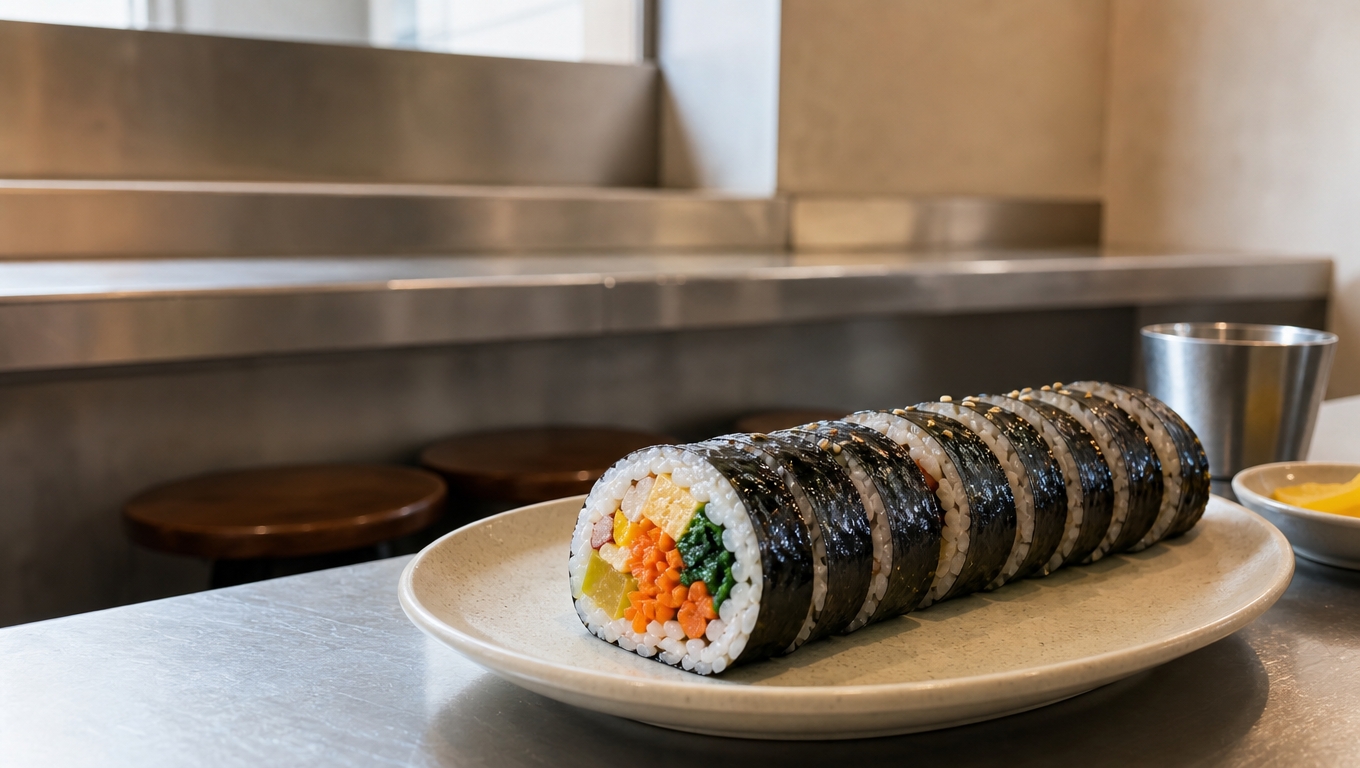
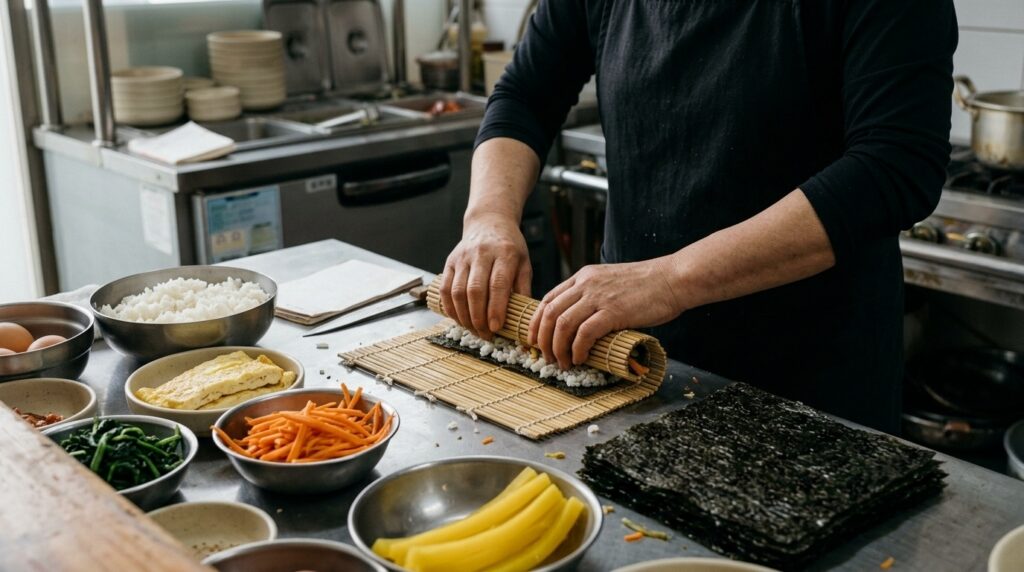
Gimbap is rice and a mix of fillings rolled in dried seaweed and sliced into rounds. In Korea it stands for the cheap meal you can grab and eat in a hurry. That is why an average price creeping toward 4,000 won in Seoul stands out. Ordering a single roll simply costs more than it did at the end of last year.
The survey covers gimbap, bibimbap, naengmyeon (cold noodles), a kimchi stew set meal, samgyeopsal (grilled pork belly), jajangmyeon (black bean noodles), samgyetang (ginseng chicken soup) and kalguksu (knife-cut noodles). These are dishes eaten in different ways and built on different main ingredients, compared over the same months. Gimbap rose the most, but 3,923 won is an average for Seoul, and individual shops do not all charge that price.
Bibimbap Reaches 12,000 Won as Increases Vary by Dish
Bibimbap had the second-highest increase. The average bowl went from 11,577 won at the end of 2025 to 12,000 won in September 2026, up 3.7 percent. The two dishes that combine rice with a range of toppings led the survey, though bibimbap’s increase was smaller than gimbap’s.
Every other item also cost more than it did at the end of last year. Samgyeopsal rose 2.3 percent, the kimchi stew set meal 2.2 percent and jajangmyeon 2.0 percent. Naengmyeon and samgyetang each went up 1.5 percent, and kalguksu 1.2 percent. Prices moved at different speeds even within the same survey, and gimbap sat well above the average.
On the street, plenty of bunsikjip in Seoul now charge around 4,000 won for a roll. Bunsikjip are casual eateries that sell quick meals and snacks such as gimbap. The examples in the report ranged from Gimbap Cheonguk’s basic roll at around 3,500 won to Kimgane’s signature roll at around 5,000 won, so the same dish comes at quite different prices depending on where you buy it.
Rice, Eggs and Labor Costs Add Up
The main reasons cited for the rise are the cost of key ingredients such as rice and eggs and the burden of labor costs. The price of a roll covers the rice and fillings and also the work of preparing, rolling and selling it. That is why ingredient costs and the cost of making the food are both mentioned.
The Korea Consumer Agency said egg prices in September were 11.6 percent higher than at the start of the year, the highest level so far this year. One of gimbap’s main fillings got noticeably more expensive. The data does not, however, show how much each ingredient contributed to the final price of a roll.
The increase stands out partly because of how people eat gimbap. It is what you choose when you want to get a meal done quickly rather than sit down for a long lunch. Now that this dish has risen faster than anything else in the survey, the price tag on a food long treated as the cheap option is changing.
Nationwide, Lunch Boxes and Gimbap Lead Dining-Out Inflation
Statistics Korea’s September consumer price figures for dining out show the same pattern for quick meals. Among 39 items tracked nationwide, lunch boxes rose the most, up 8.4 percent from a year earlier. Gimbap rose 4.9 percent and raw fish dishes 4.5 percent. In this data too, gimbap was among the items with the biggest increases.
In the same nationwide figures, hamburger prices fell 1.6 percent from a year earlier. Pizza prices did not change, and coffee rose 0.2 percent. Not every quick meal moved in the same direction or at the same pace. Gimbap went up while hamburgers went down and pizza held steady.
The two data sets use different baselines. Chamgagyeok’s 5.4 percent for gimbap compares Seoul prices in September 2026 with December 2025. Statistics Korea’s 4.9 percent is a nationwide year-on-year change. Seoul’s average menu prices and the national price index each show gimbap getting more expensive, measured in their own way.
Sources: Shinailbo, November 11, 2026, citing the Korea Consumer Agency’s Chamgagyeok price portal and Statistics Korea dining-out consumer price data.