Table of Contents
The Jungle Left, the City Stepped In
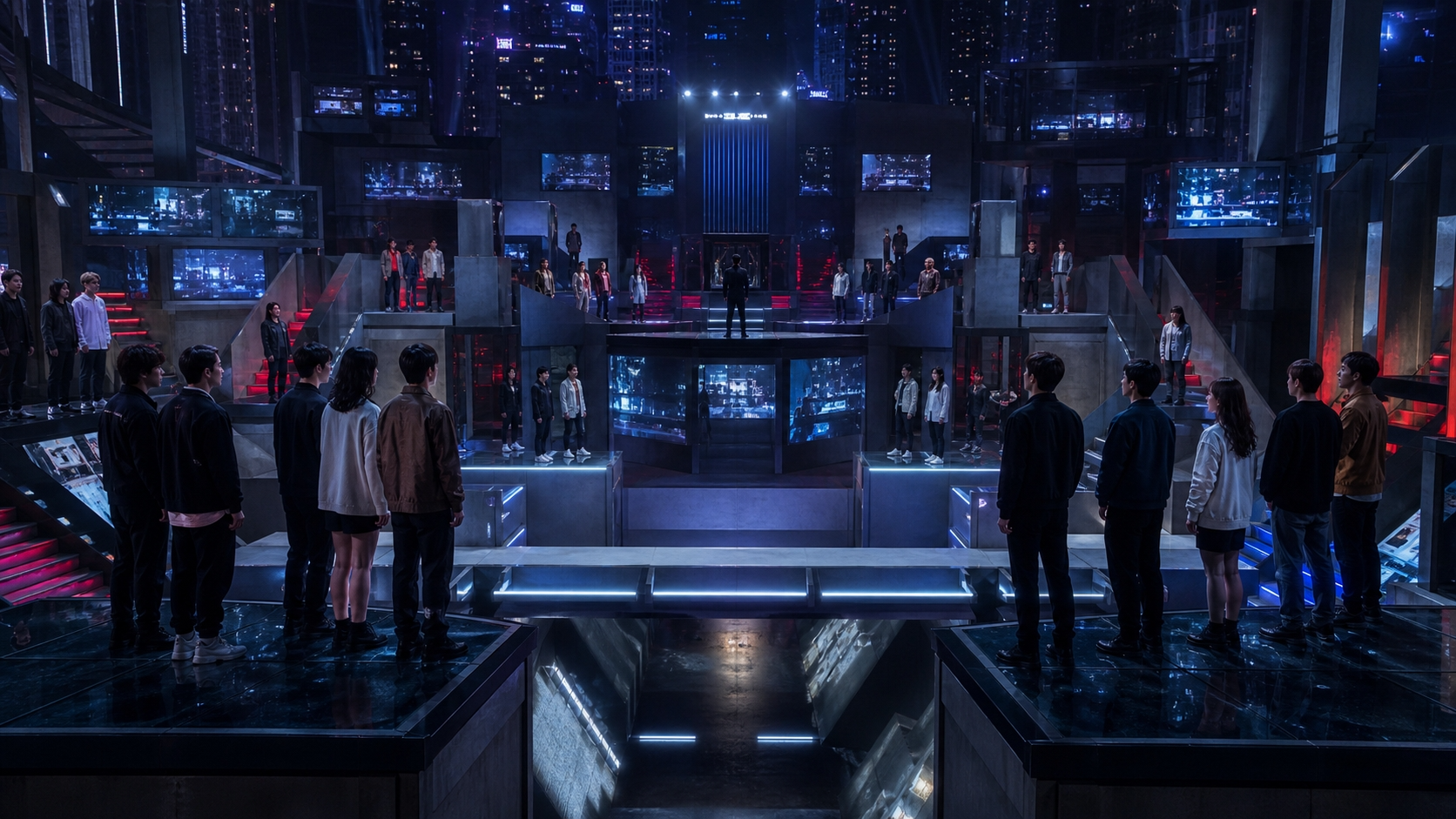
For years, the sound of rustling leaves and buzzing insects was the signature of Korean reality survival shows. The wilderness—dense jungles, extreme hunger, battling nature—defined a whole era. But 2026 tells a different story. Gen Z has swiped left on the jungle. In its place? A new stage: the city. Instead of raw nature, we’re seeing concrete and glass arenas where urban survival battles unfold, and they’re stealing the spotlight.
This isn’t just a background swap. Jungle survival asked, ‘Who has the strongest wild instinct?’ Urban survival asks, ‘Who plays the rules smartest?’ The center of gravity shifted from muscle and survival skills to psychological warfare and strategy. And Gen Z’s sensibility is steering this change.
Why Gen Z Turned Their Back on the Wild
There’s a reason Gen Z is over the jungle. They want an ‘game structure’ they can sink into—not just dramatic hardship stories. Watching contestants endure bugs and rain doesn’t feel fresh anymore. Instead, this generation craves participatory viewing: analyzing rules from outside the screen, predicting contestants’ next moves, and creating memes in real time.
Urban survival hits that sweet spot exactly. Elaborately designed rules, betrayals and alliances, mind games, and shifting power dynamics? Perfect fodder for online digestion. Even formats like ‘Physical:100,’ which test physical ability, end up relying on team strategy and brain battles—so they still vibe with that urban sensibility. Gen Z responds to narratives of thinking, not just enduring.
The Age of Mind Games and Strategy
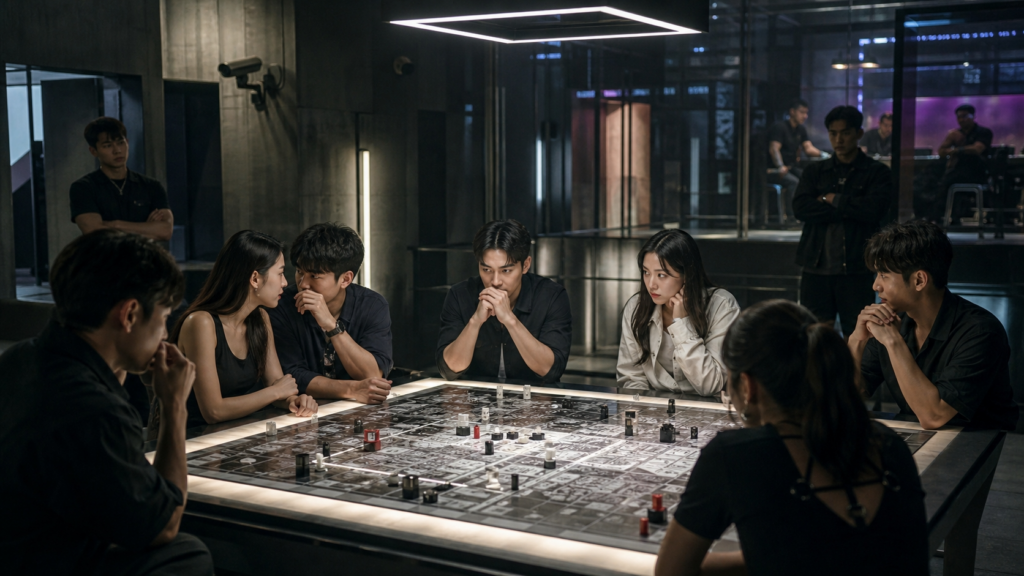
The core thrill of urban survival is the mental fight. Contestants don’t battle the environment—they battle each other’s psychology. Who to ally with, who to betray, when to leak info, when to hide it—that’s what decides the game. Viewers follow this complex calculation like watching a chessboard, observing every choice. That intellectual immersion is a high you rarely get from jungle survival.
In 2026, we’ve seen a wave of new shows adding supernatural twists, romantic mind games, and fate-based competitions. The setting is always a city or a closed set. The key is always strategy and human relationships. Without nature as a variable, the most unpredictable variable of all—human psychology—takes center stage.
K-Survival Goes Global
What’s striking is that this format isn’t staying domestic. Korean survival shows have already hooked global audiences through streaming platforms, and U.S. remakes are in production—proof that the format itself has competitive edge. After K-pop and K-drama, K-survival is rising as a new Hallyu pillar. Urban formats especially have the advantage of low cultural barriers. They don’t rely on exotic jungle scenery; they bet on universal human psychology and game logic.
As a result, Korean-style survival has become content that works across borders. Once you understand the rules, viewers from any culture can jump right in. That scalability is what makes urban survival sustainable.
What Urban Survival Asks Us
Of course, challenges remain. Psychology-heavy formats risk over-dramatizing conflict or provoking editing controversies. If betrayals and confrontations are pushed too far, viewer fatigue can set in. The future homework: balancing rule precision with emotional authenticity.
Still, this shift—Gen Z turning away from the jungle and toward the city—proves that Korean reality TV is reading the audience’s changing tastes with agility. From wilderness hardship to urban brain games, the stage has changed, but the fundamental appeal of reality remains. It’s just that the arena moved from the jungle to the city.
Sources: Netflix Tudum, Hashtag Legend, and industry reports, 2026.