
Table of Contents
Longer safety notices and a check before repeat messages
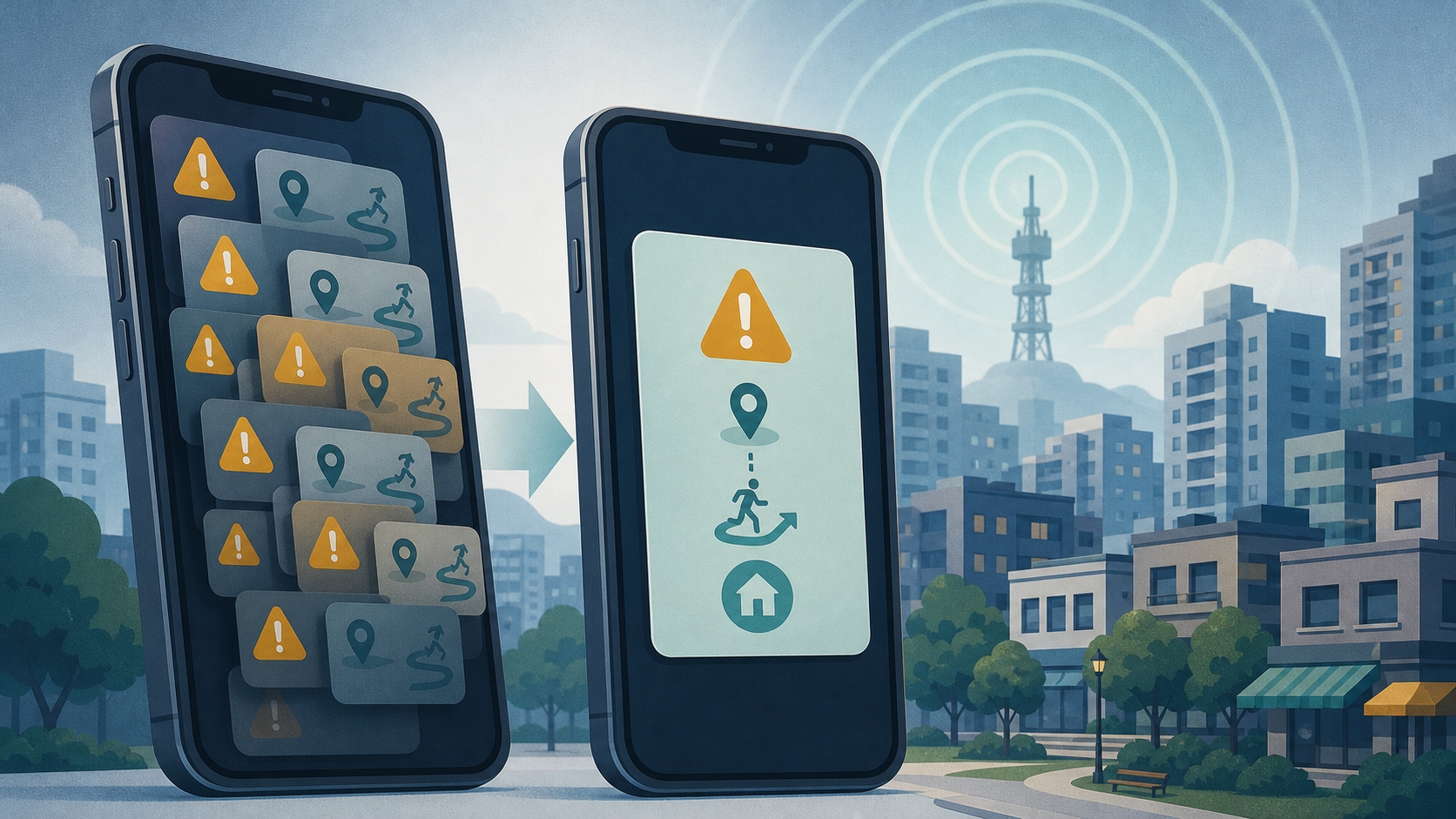
South Korea is preparing to increase the length of safety advisory messages from 90 to a maximum of 157 characters and introduce a check before agencies send repeat alerts about the same area and disaster. The government’s second-half policy guide lists a nationwide rollout for October 2026. Maeil Shinmun reported on October 12 that regular operation would begin at the end of the month. In material published through October 15, the overhaul remained scheduled rather than complete.
The change is intended to give recipients more useful information as well as fewer repetitive notifications. The government says messages should describe the disaster, explain what to do and identify evacuation locations. That matters to foreign residents and travelers, too. An alert needs to explain where the danger is, whether it affects the recipient’s location and what action is needed before it can help someone respond.
The 157-character limit will not apply to every type of disaster alert. The Ministry of the Interior and Safety’s May announcement and October reporting identify safety advisory messages as the target. Critical and emergency disaster alerts will retain the 90-character format. The system therefore combines more detailed routine guidance with a decision to preserve the existing delivery format for urgent warnings.
A broadcast to an area, rather than a personal text
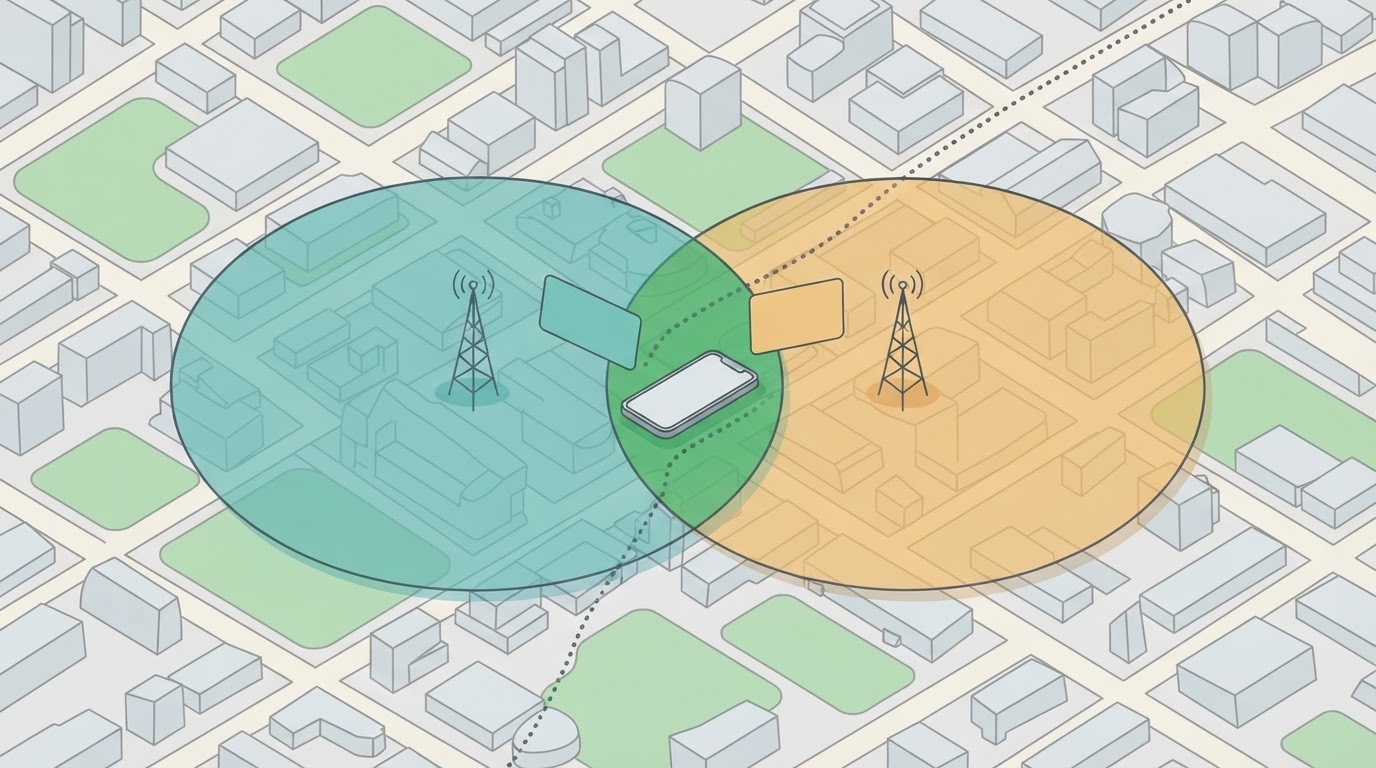
Disaster alerts reach phones differently from ordinary text messages. They use cell broadcast, which sends the same information through mobile base stations to phones in a designated area. The sending zone matters, not the recipient’s contact list or personal relationships. With several agencies able to issue information about a disaster, the same danger can generate multiple messages. That local broadcast structure helps explain why alerts can feel repetitive.
Maeil Shinmun traces the 90-character limit to the transmission capacity of an older mobile communication standard. Senders had to fit the disaster type, location and precautions into a small space. Short messages are quick to read, though they leave less room for instructions. Saying that a danger exists and explaining how to avoid it are different tasks. A place name and a general warning can crowd out the practical guidance.
Readers unfamiliar with Korean geography and administrative districts face an additional difficulty. If they cannot identify a place named in an alert, they may struggle to judge whether the warning concerns them. Knowing the place name is not enough when an evacuation site or restricted area remains unclear. A longer message creates room to explain those details. Its usefulness depends on giving that space to the information recipients need.
How local pilots became a nationwide trial
On October 30, 2025, the ministry announced plans to provide more information in disaster alerts and reduce duplicate messages. Reporting at the time put the start of the expanded-character pilot in selected regions on October 31, the following day. The announcement date and the trial’s start date were different. That announcement also did not mean regular nationwide operation had begun. Local testing and wider application followed in stages.
A follow-up ministry release on May 14, 2026, described the initial tests. North Chungcheong, South Gyeongsang and Jeju tested longer messages; Busan and Sejong tested a review before similar or duplicate alerts were sent. The two features address different parts of the problem. One gives each message more room for information, while the other checks whether similar information is being sent repeatedly.
The ministry then announced a nationwide pilot of 157-character safety advisory messages for summer disasters beginning on May 15. It also said the duplicate-message review would expand nationwide. Expanding the area covered by a pilot is different from converting it to regular operation. A feature can be tested across the country while still remaining a trial. The second-half guide and October reports need to be read with both coverage and operating status in mind.
Why urgent warnings keep their existing format
South Korea’s main disaster-message categories distinguish critical disaster alerts, emergency disaster alerts and safety advisory messages by urgency and purpose. Critical and emergency alerts warn of immediate dangers. Safety advisories carry other disaster-related warnings and precautions. Frequently received notices should not be treated as interchangeable with a warning requiring an immediate response. The expanded character limit leaves that distinction in place.
Maeil Shinmun reports that compatibility with older phones is the reason critical and emergency alerts retain the 90-character limit. Some devices may fail to receive longer messages properly or display them incorrectly. Safety communication has to consider both detail and reach. More explanation is useful, but an urgent warning that fails to reach some phones creates a separate risk. The overhaul keeps different formats for different message types.
The term “safety advisory” does not mean the contents are unimportant. Precautions and instructions can help people make real safety decisions. Nor does a longer message necessarily signal a more urgent danger. Recipients need to read the category, affected area and specific directions together. Efforts to reduce alert fatigue should make useful warnings easier to understand, rather than encourage people to switch important alerts off.
What the duplicate check can and cannot solve
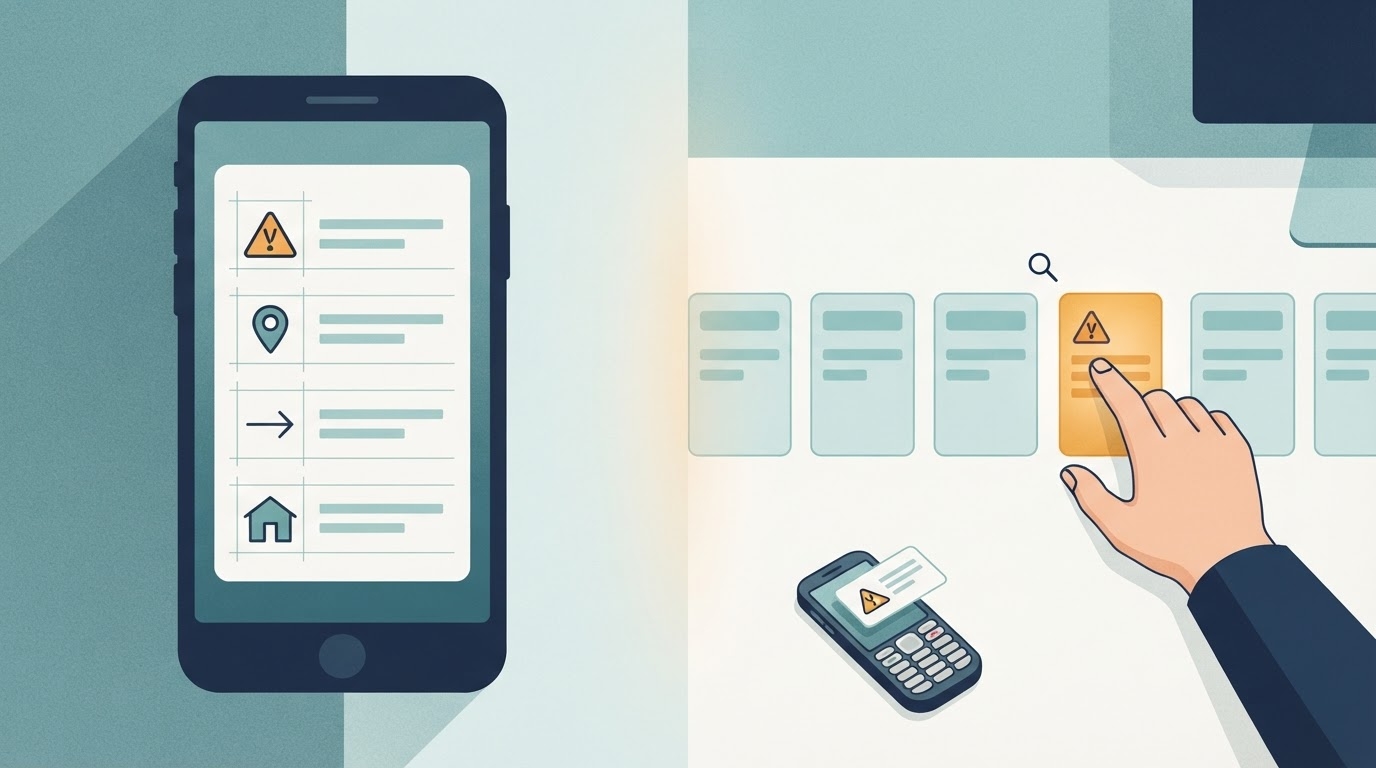
The review feature helps sending staff inspect earlier alerts. The ministry says the system displays the sending history so staff can check once more for duplication. It does not automatically block every message containing the same words. Staff need to consider whether a notice repeats earlier information or adds something new. A change in danger or additional instructions may still require a follow-up alert.
Duplicate reception near administrative boundaries has a different cause. Base-station coverage does not precisely follow city, county or district borders, so a phone may also receive an alert intended for a neighboring area. Maeil Shinmun notes that reviewing messages before sending them cannot by itself remove that overlap. Repeated notices from agencies and reception across overlapping broadcast zones are separate problems. The overhaul cannot be assumed to eliminate every duplicate notification.
That distinction matters when assessing results. Residents near a boundary could still receive neighboring authorities’ alerts even if unnecessary repetition between agencies falls. A lower message count also does not prove that the remaining alerts contain enough useful information. Their description of the danger and required response matters, too. Notification volume and usefulness are related, but they are not the same outcome.
The aim is fewer unnecessary alerts and clearer instructions
The policy guide calls for a move from simple warnings to messages describing the situation, actions to take and evacuation locations. The test is whether recipients can use the information, not merely whether an agency has sent it. Extra space will have limited value if the wording stays vague. Clear locations and instructions can give people a way to relate a warning to their circumstances before they consult other sources.
Receiving frequent alerts is not evidence that a danger is absent. Familiarity with repeated notices can make a new warning seem like more of the same, placing a responsibility on agencies to reduce unnecessary repetition. Follow-up warnings about changing risks still need to be sent. The aim is to distinguish repetition from necessary updates. Trust depends on specific, timely information as well as message frequency.
The material checked through October 15 describes regular operation as planned for this month or the end of the month; it does not establish that the transition is complete. The date of that transition, the content of actual messages and how staff use the duplicate check remain points to watch. Longer alerts alone will not settle the issue. Their value will depend on whether recipients can clearly understand what action to take.
Sources: Ministry of the Interior and Safety release on more detailed disaster messages and reduced duplication, October 30, 2025; The Korea Economic Daily, October 30, 2025; ministry release on the nationwide summer-disaster pilot, May 14, 2026; the government’s second-half 2026 policy guide, “Improving public disaster-message services”; Maeil Shinmun, October 12, 2026. Prepared for October 18 publication; implementation status and facts reflect material available through October 15, 2026.


