
Table of Contents
Meeting Gochujang Outside Traditional Korean Restaurants
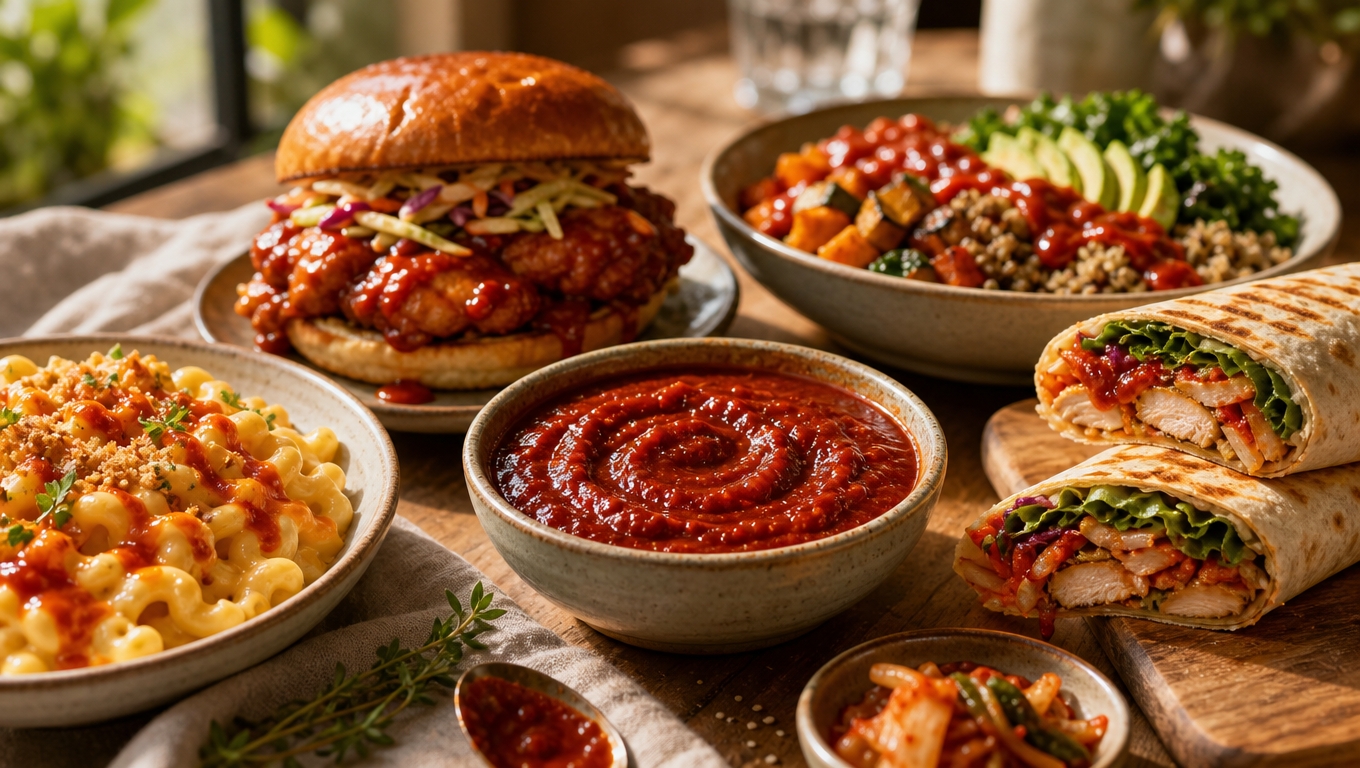
Along the chilled sandwich shelves at Tesco in the UK, shoppers can pick up a “Korean Style Spicy Gochujang Chicken Sandwich.” Down the high street, Marks & Spencer introduced its own Gochujang Mayo, blending the fermented chili paste with creamy mayonnaise. Across the Atlantic, American salad chain Just Salad featured a Gochujang Chicken Market Plate and a Gochujang Chicken Wrap as seasonal specials this past summer. None of these offerings resemble a traditional Korean meal. They use formats local diners already reach for every day.
Enjoying these dishes doesn’t require stepping inside a Korean restaurant or understanding a traditional table setting. Diners get the layered sweet, spicy, and savory notes of gochujang through the comfort of a familiar wrap, salad, or sandwich. The name on the package makes its Korean origin clear, but the eating experience belongs to local food habits. People aren’t studying up on Korean cuisine before ordering. They’re running into a new flavor in the middle of an ordinary lunch.
This shift shows how the global reach of Korean food is changing. An earlier wave centered on exporting packaged staples Koreans already know well, like kimchi, instant ramen, and dumplings, or introducing dishes such as bibimbap and bulgogi through dedicated restaurants. Now, flavor components like gochujang and Buldak sauce are moving directly into foreign brands’ own products. The market has grown from selling complete Korean dishes to supplying Korean accents as ingredients for local menus.
McDonald’s Exports a Blueprint for Flavor
McDonald’s Korea developed a Gochujang Butter Sauce, pairing the mellow richness of butter with the deep heat of red chili paste. On September 17, the chain launched the flavor at home in its McCrispy Gochujang Butter and McSpicy Gochujang Butter burgers. Instead of leading with gochujang’s sharp fermented punch alone, the recipe folds in butter so the sauce works with crispy fried chicken and melted cheese. It’s a case of a traditional Korean paste adapting to the logic of global fast food.
The concept is rolling out across 13 Asian markets, including South Korea, the Philippines, Hong Kong, Delhi and Mumbai in India, Thailand, Taiwan, Vietnam, Singapore, China, Brunei, Malaysia, and Indonesia. The base is the gochujang butter sauce McDonald’s Korea created, but the brand isn’t copying the exact same menu and method everywhere. Each market reworks the core flavor through its own regional food culture instead.
Some markets get sauce produced directly in South Korea, while others build their own recipes from provided samples and development guidelines. Places where diners lean toward bone-in or tender chicken over burgers may rework the dish’s format entirely, and markets with different ingredient rules build the same spicy-buttery balance out of different local components. What’s being exported isn’t one finished burger. It’s the flavor direction of gochujang butter itself, a starting point for local menu development.
Buldak Finds a Home in Macaroni and Cheese
Samyang Foods’ Buldak sauce is tracing a similar path. Building on its presence at Walmart in the United States, the company plans to expand two varieties of Buldak Mac & Cheese into Canada and Mexico later this year. Mac and cheese, elbow macaroni in a smooth cheese sauce, is a staple of North American comfort food. Adding Buldak’s heat lets people taste the sauce’s signature kick without boiling ramen or learning a new recipe.
Here, mac and cheese does more than carry the flavor. It translates it. The cheese’s mild creaminess softens the sharp bite of Buldak sauce, so diners can gauge the heat inside a dish they already know. It works on the same logic as blending gochujang with butter or mayonnaise: familiar fat and texture lower the barrier to a bold Korean sauce.
That’s also different from simply putting a bottle of imported Korean sauce on a foreign grocery shelf. Buy a standalone sauce, and the shopper has to figure out where and how to use it. Built into an everyday dish, the flavor comes with its use already worked out: spread on a sandwich, tossed into a salad, stirred into pasta. As these combinations become familiar, gochujang and Buldak sauce turn from ingredients tied to specific Korean recipes into seasonings people reach for on their own terms.
What Export Numbers and New Launches Reveal
Trade data shows the same shift. According to the Korea International Trade Association, South Korea’s gochujang exports from January through August 2026 reached $46.01 million, a 10.1% increase over the same period last year. Retail shoppers buying gochujang for home cooking and food brands using it to build new products are both driving that growth. Gochujang is no longer just the paste people reach for to make bibimbap or tteokbokki.
Research from Kerry Group, a global taste and nutrition company, found that new gochujang-based food products launched in the United States rose 120% year-on-year last year. That figure points to something export totals alone don’t capture. When food manufacturers abroad develop their own dressings, sandwiches, dips, and ready meals with gochujang, the finished product may not be made in Korea, but the flavor still traces back to Korea’s fermentation traditions.
Export figures show how much Korean gochujang is crossing borders. The surge in new products shows how freely that ingredient is being reinvented in foreign kitchens. Seen together, the two trends suggest package sales alone don’t capture the full reach of Korean food. Global brands adopting gochujang as a headline flavor is its own sign of how far the taste has traveled.
How Gochujang Turns into an Everyday Sauce
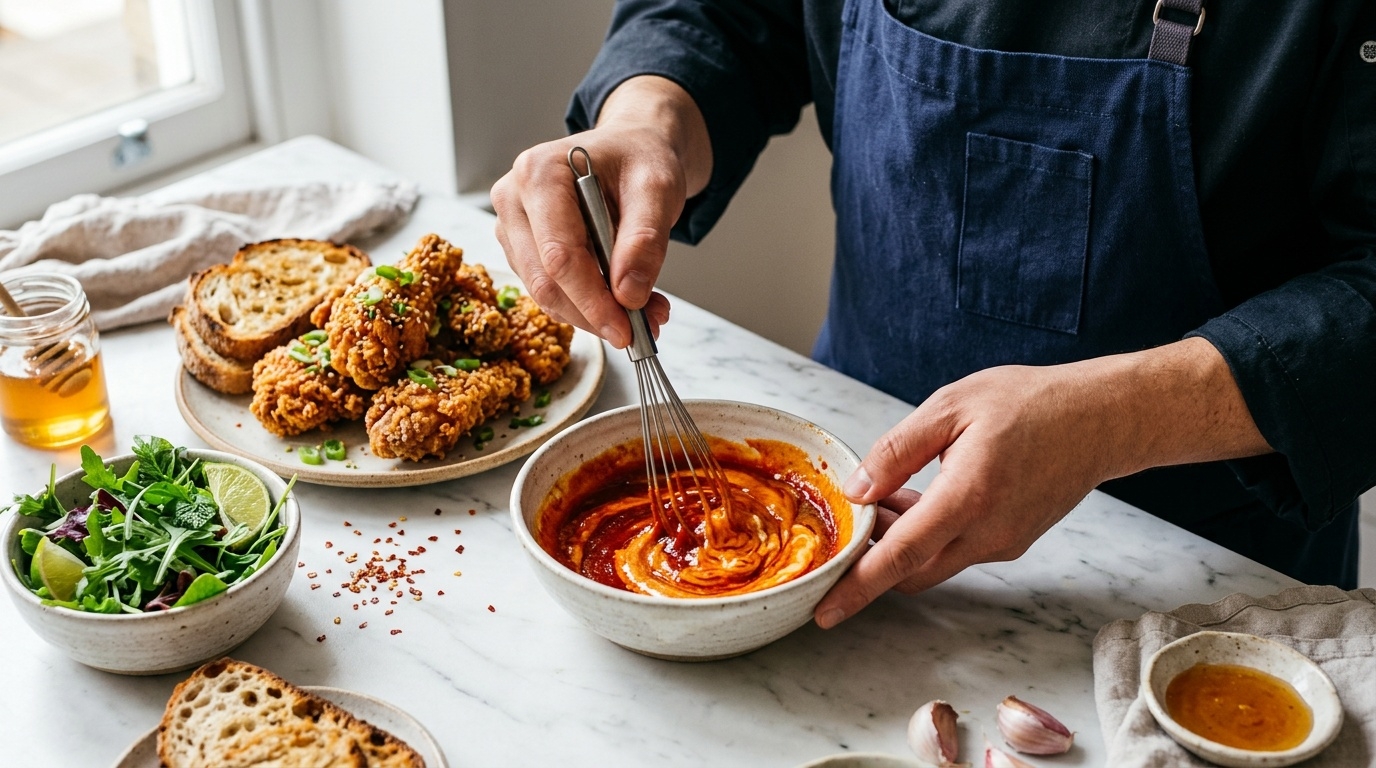
Gochujang is a traditional Korean fermented paste made from red chili powder, grains like sweet rice or barley, and fermented soybean. Unlike hot sauces built around a straightforward kick of heat, gochujang balances sweetness, saltiness, and the deep savoriness of fermentation. In Korean kitchens, it does everything from seasoning rice and simmering in stews to glazing meat and serving as a dip for raw vegetables. Rather than one dish, it works as a seasoning base that shapes color, texture, and taste across many dishes.
That range makes it useful for chefs abroad looking for new depth, since a single spoonful brings sweet, spicy, and savory notes together. At the same time, its strong fermented aroma, thick texture, and heat can feel intense to someone trying it for the first time. Products that blend gochujang with butter, mayonnaise, or cheese aren’t diluting it. They use familiar textures and dishes to make that first taste easier to approach.
This localized wave doesn’t replace how Koreans cook with gochujang at home. It opens new uses alongside the old ones. In a Korean kitchen, it anchors bibimbap, stews, and braised meat. On a British supermarket shelf, it becomes a sandwich spread or a flavored mayo. At an American salad counter, it pulls chicken, grains, and greens together as a dressing, and at McDonald’s, it defines the character of a crispy chicken sandwich. The same ingredient plays a different role depending on where it lands.
The Next Stage of Cultural Familiarity
In the 2025 Global Korean Food Consumer Survey conducted by the Ministry of Agriculture, Food and Rural Affairs alongside the Korean Food Promotion Institute, awareness of Korean food rose to 68.6%, up 2.9 percentage points from the previous year and the highest level since the survey began. Favorability stood at 71.4%, with 80.6% of respondents saying they intend to eat Korean food in the future. Brands putting gochujang front and center on their packaging are building on that base of familiarity.
The 2026 Global Hallyu Survey, released by the Ministry of Culture, Sports and Tourism together with the Korean Foundation for International Cultural Exchange, found that food had the highest engagement rate among cultural content consumers in 2025, at 78.0%, ahead of film at 77.9%, TV dramas at 72.9%, and music at 71.9%. The two surveys use different methods and shouldn’t be compared directly, but together they suggest food has become as strong a cultural touchpoint as K-pop or K-dramas.
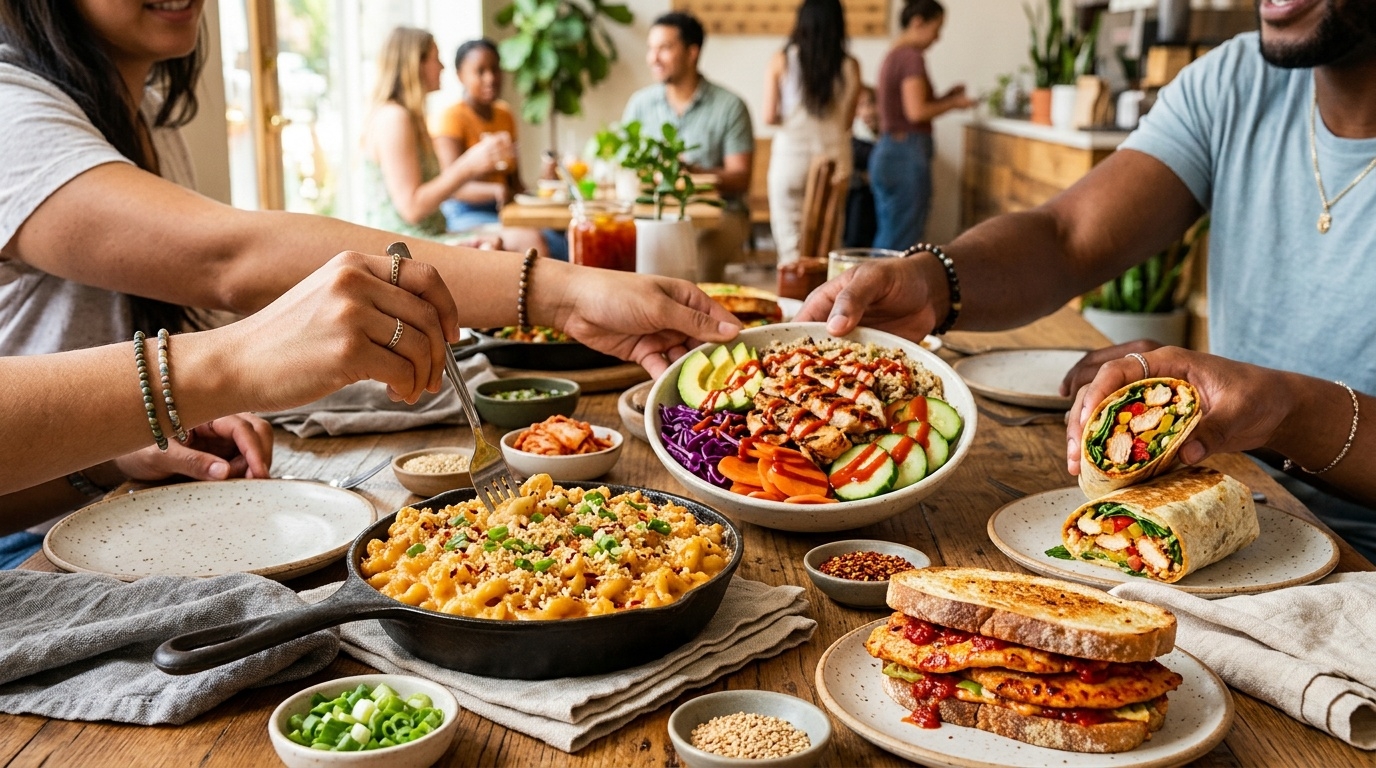
Early on, brands had to explain what gochujang was before asking anyone to try it. Now, familiarity lets companies put the name on the menu without hesitation. The next step is that the flavor no longer has to stay inside a specialty “Korean cuisine” section. Showing up regularly in sandwiches, grain bowls, mac and cheese, and chicken burgers, gochujang can read as both an authentic Korean import and an ordinary lunch choice.
Someone grabbing a sandwich at Tesco or a quick meal at McDonald’s may not feel like they’re having a Korean food experience at all, and that’s the point of this stage of expansion. Korean food’s reach is no longer measured only by trips to destination restaurants or purchases of imported pantry goods. It’s settling into the ordinary rhythm of meals worldwide. What comes next is whether gochujang and Buldak sauce outlast the current trend cycle and become permanent fixtures on the global table.
Sources: Seoul Economic Daily, September 24, 2026; Newdaily Economy, September 17, 2026; Ministry of Agriculture, Food and Rural Affairs / Korean Food Promotion Institute, “2025 Global Korean Food Consumer Survey,” November 24, 2025; Ministry of Culture, Sports and Tourism / Korean Foundation for International Cultural Exchange, “2026 Global Hallyu Survey,” March 30, 2026.